Why is dupatta styling so hard in fashion photography?
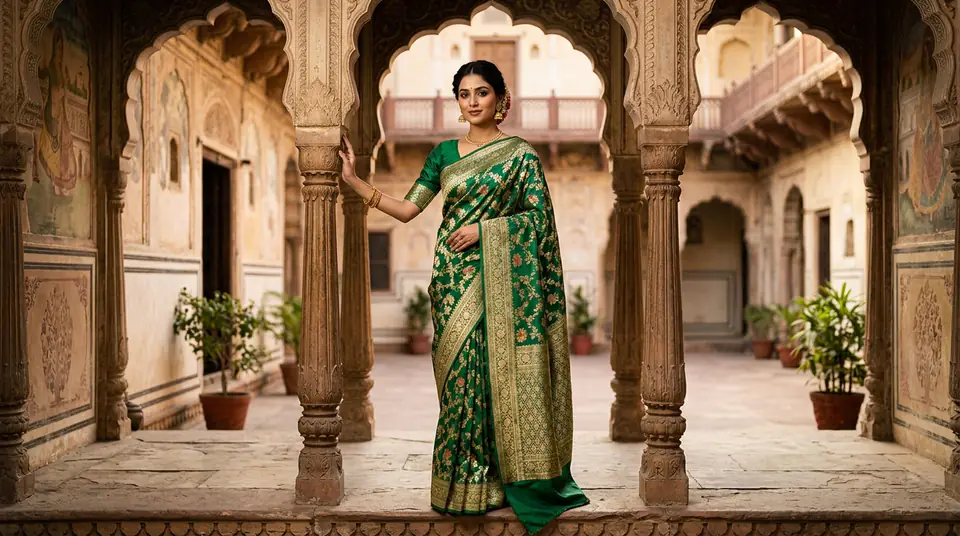
Dupatta styling is incredibly hard in fashion photography because it demands meticulous attention to drape, fabric flow, and cultural nuance, all while being expensive and time-consuming with traditional methods. It’s not just about throwing a scarf over a model. You’re dealing with different fabrics—a stiff silk dupatta behaves totally unlike a flowing chiffon or a soft georgette. Each requires a skilled hand, precise pinning, and constant adjustments to look just right.
Think about it: for one outfit, you might want a classic Nivi drape for a saree, but for a kurti set, a casual, free-flowing drape over one shoulder. Achieving that consistent look across 50, 100, or even 500 pieces in a catalogue? Herculean effort. You need a dedicated stylist, often an assistant just for the drape, and hours of shoot time where everyone waits while the dupatta is coaxed into perfection. And then, one wrong move, and you’re back to square one. It’s a lot of manual labour, a lot of patience, and a lot of expense.
What's the real cost of bad dupatta photos for my brand?
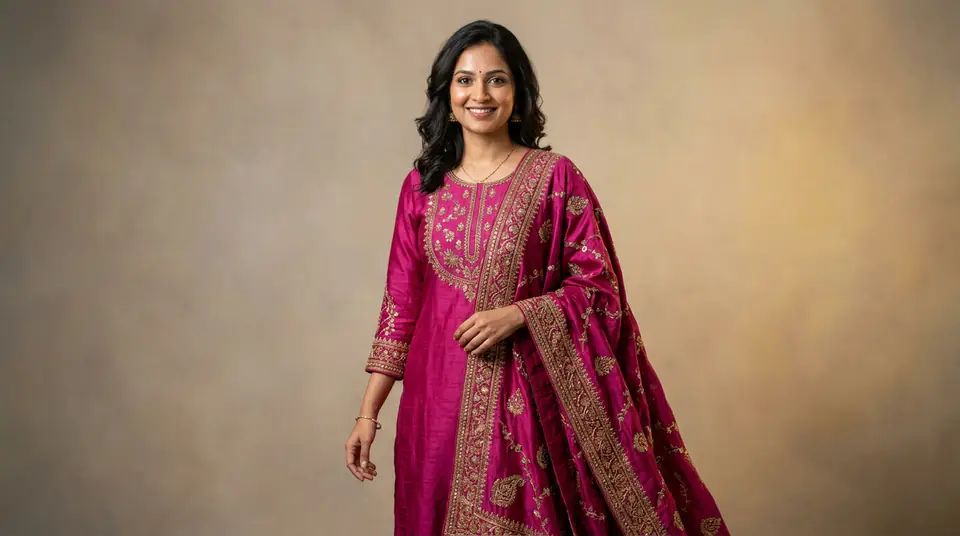
The real cost of bad dupatta photos isn't just about wasted shoot money; it silently bleeds your conversion rates, increases returns, and erodes customer trust and perceived premiumness. I’ve seen small boutiques in Jaipur lose upwards of ₹2-3 lakhs every wedding season just because their ethnic wear photos, especially the dupattas, looked flat or messy compared to competitors. Customers browsing Myntra or Flipkart are quick to judge. If a dupatta looks creased, poorly draped, or just plain awkward, it signals lower quality for the entire outfit.
How do customers react to poorly styled dupattas online?
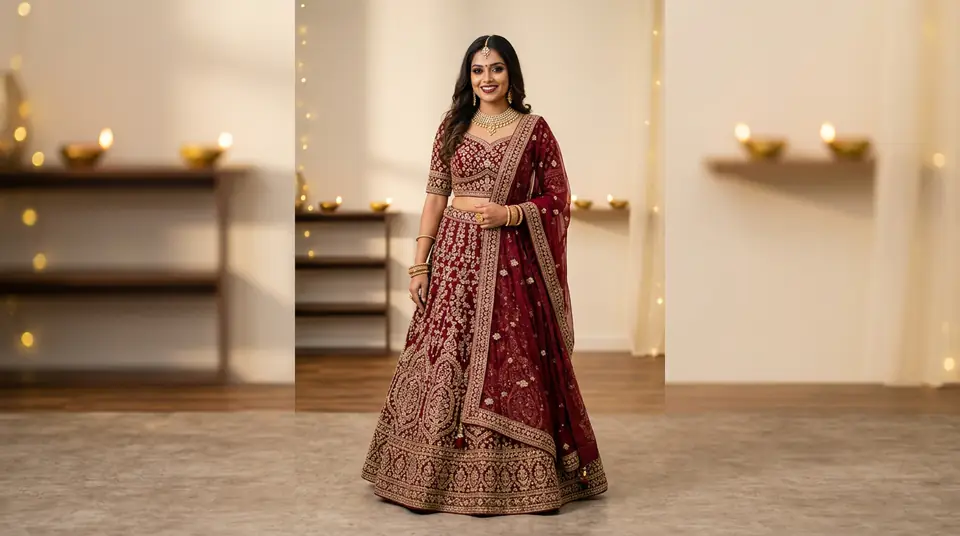
Customers react to poorly styled dupattas online with immediate skepticism about quality and fit, often scrolling past items that look cheap or ill-fitting, even if the garment itself is premium. Imagine this: a customer is looking for a beautiful lehenga for Diwali. She sees two options side-by-side. One has a dupatta draped elegantly, showcasing the border work and fabric flow perfectly. The other's dupatta looks like an afterthought—bunched up, obscuring the outfit, or just limp.
Which one do you think she’ll click on? The one that looks polished, of course. People buy with their eyes first, especially for ethnic wear where drape and fall are paramount. I've had conversations with customers at my own boutique who told me they'd almost passed over a design online because the photo didn't do it justice, but were surprised by the quality in person. That's a lost sale for others who never got to see it firsthand.
““If a dupatta looks creased, poorly draped, or just plain awkward, it signals lower quality for the entire outfit.””
Generate your own AI fashion photoshoot with Drapify — 50 free credits, no card required.
Can AI fashion photography truly fix dupatta styling problems?
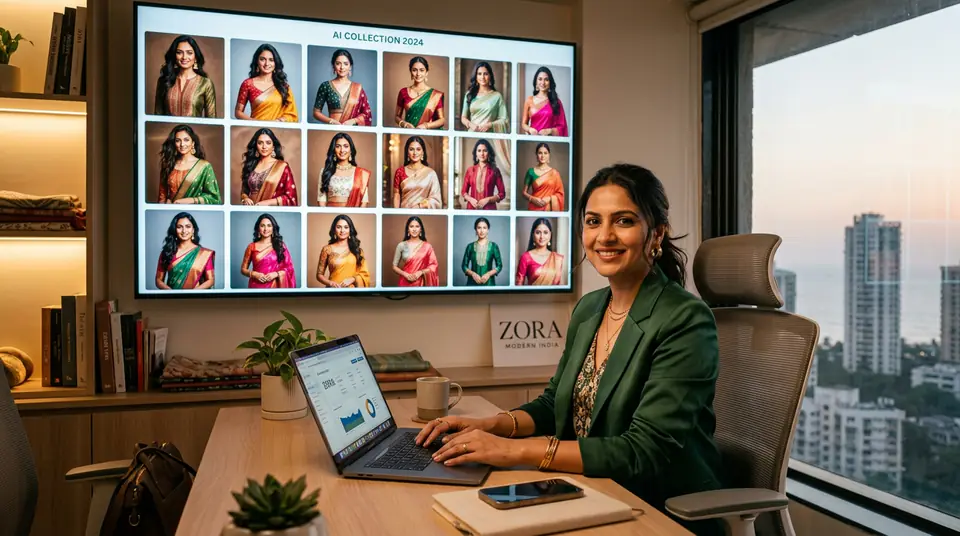
Yes, AI fashion photography can genuinely fix complex dupatta styling problems by allowing consistent, beautiful drapes across countless poses and models without the traditional photoshoot headaches or costs. Platforms like DrapifyApp let you upload a single garment photo—yes, just one!—and then generate hundreds of images with various models, poses, and crucially, perfectly styled dupattas. No more fiddling with pins or worrying about a stylist's availability.
You can specify the type of drape you want, and the AI renders it consistently every single time. This means if you have a best-selling anarkali in eight different colors, each variant can have the exact same elegant dupatta styling without eight separate photoshoots. It saves so much effort and ensures your brand presents a uniform, premium look across your entire collection. And believe me, that consistency builds immense customer trust.
How much faster is AI for ethnic wear photoshoots than traditional studios?
AI-powered ethnic wear photoshoots are dramatically faster than traditional studios, often reducing a week-long process to a few hours for a full catalogue. Think about the usual drill: finding models, coordinating dates with makeup artists and stylists, booking a studio, shooting for 8-10 hours, then waiting another 5-7 days for edits. All this for maybe 50-100 processed images.
With DrapifyApp, that entire workflow collapses. You upload your garment photos, pick your models and poses from their diverse range (including Indian models with identity-locked faces, which is key for consistency), and within ~3 minutes per photo, your high-resolution images are ready. I used to spend a whole Sunday on a small shoot; now, I can generate photos for an entire new collection during my lunch break. For someone in Jaipur producing 500 kurtis a week, this changes everything.
1-2 Weeks
Traditional Photoshoot Turnaround
~3 Minutes
AI Photo Generation Time (per photo)
₹15,000- ₹40,000
Traditional Studio Day Rate (excluding models)
~₹13-15
AI Photo Cost (per photo with Drapify)
How can I make my dupatta photos look consistent and premium on marketplaces?
To make your dupatta photos look consistent and premium on marketplaces, focus on uniform styling, lighting, and model presentation across all your listings, often achievable through AI fashion photography platforms. Marketplaces like Amazon India, Myntra, and Ajio penalize inconsistent imagery; it affects your product ranking and conversion. Customers expect a certain level of professionalism.
One trick is to stick to a consistent background and lighting. If you can’t afford a studio all the time, DrapifyApp’s AI generates photos with perfectly matched lighting and diverse backgrounds, ensuring every single listing looks like it belongs to the same high-end catalogue. Using identity-locked models for your key collections means the same model can showcase different garments or color variants, further cementing that premium, trustworthy brand image. It’s about building a visual language that screams 'quality' without you having to say a word.