Why Traditional Bulk Photography Fails Indian Sellers
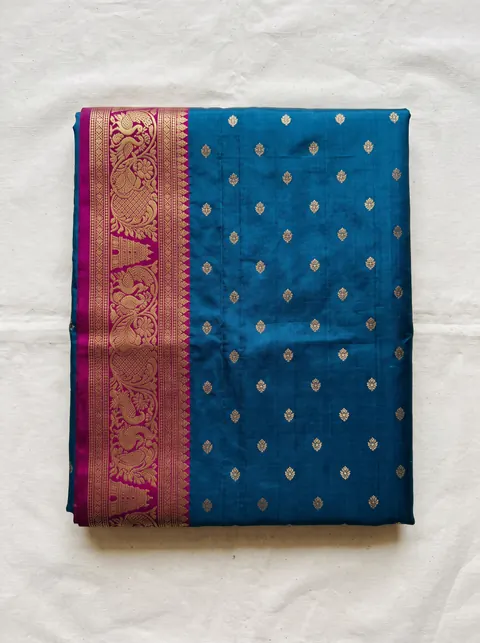
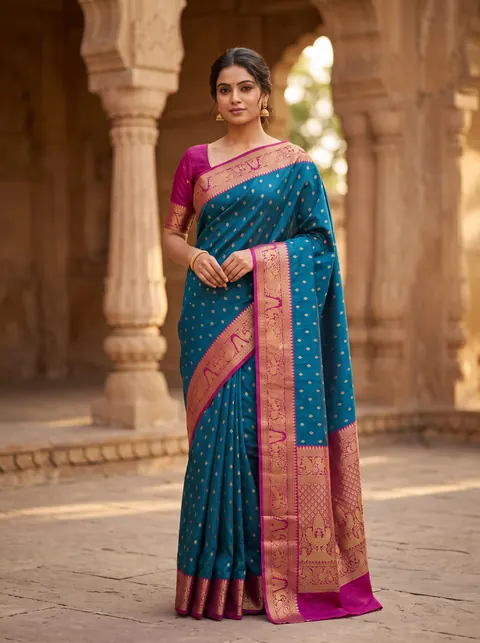
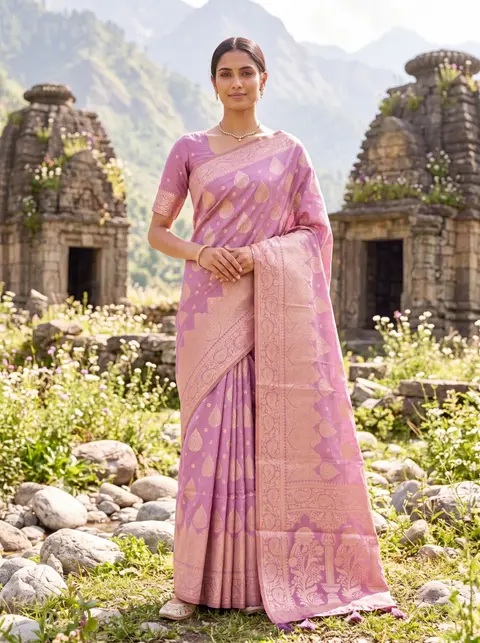
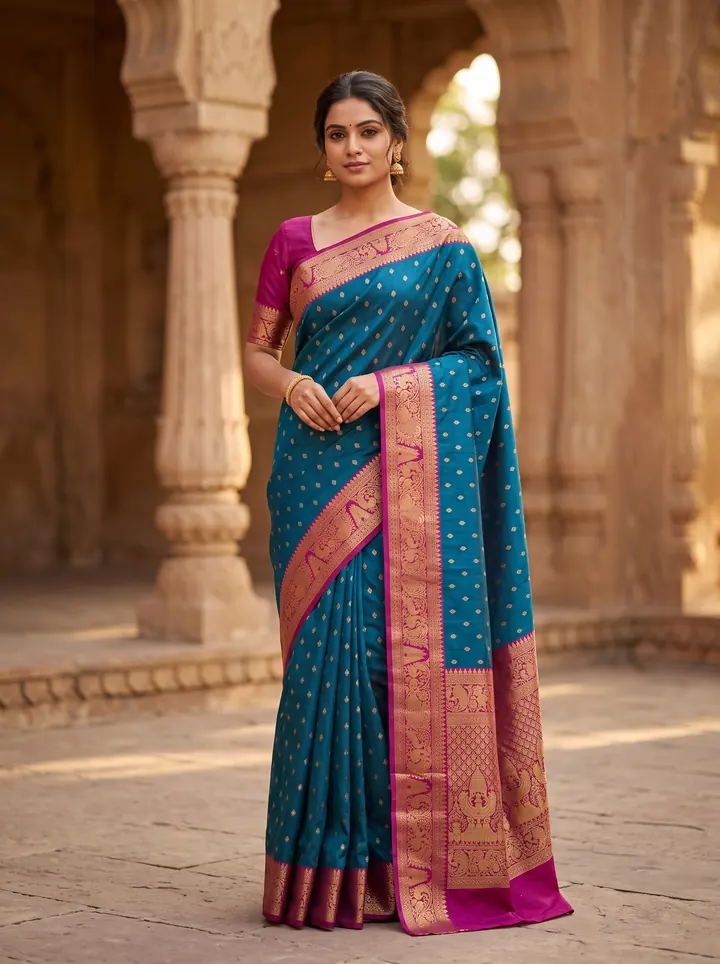
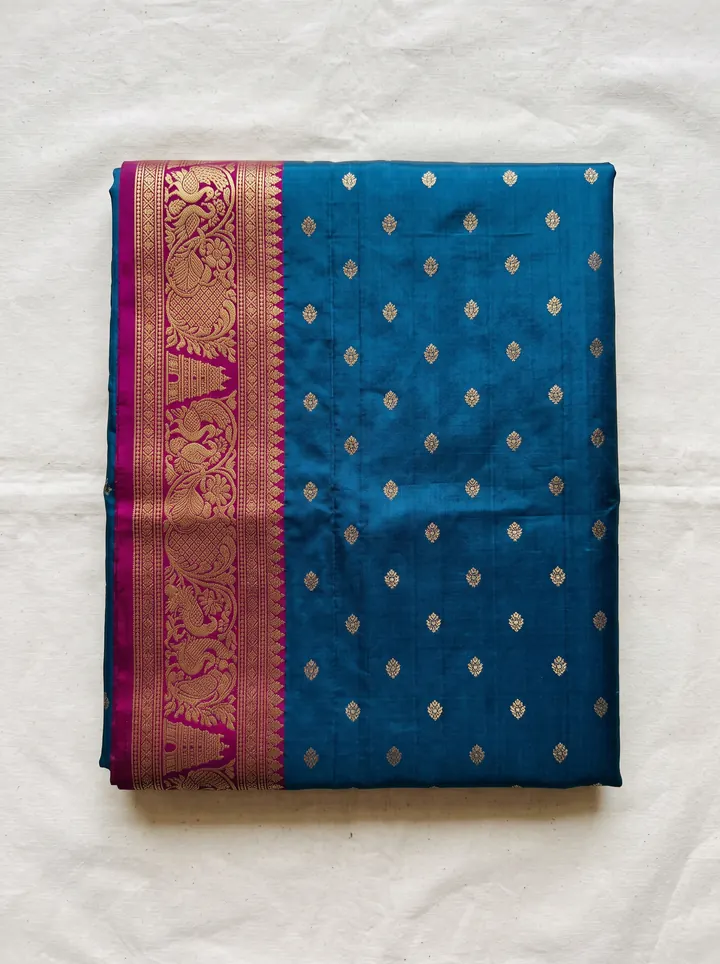
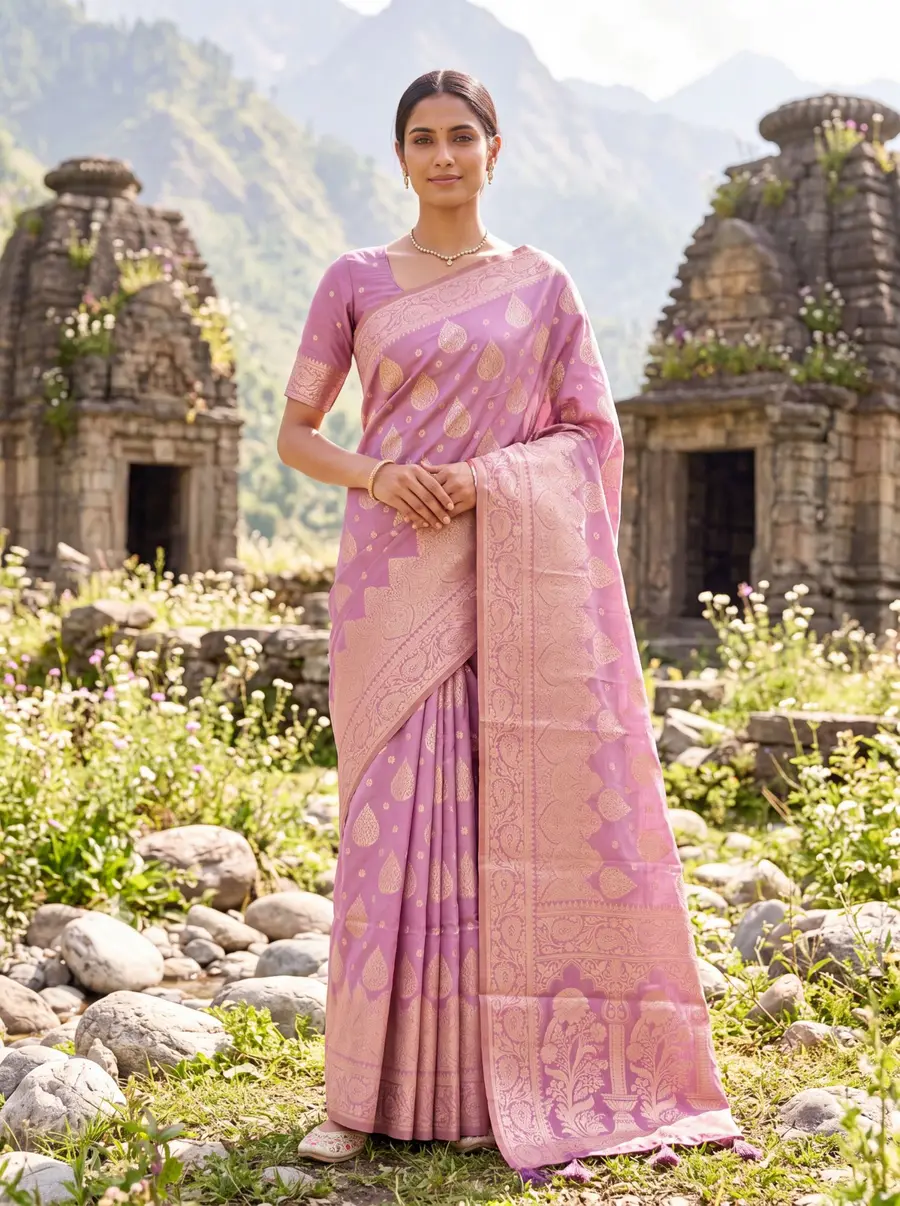
The traditional approach to bulk catalogue photography is a relic in the fast-paced world of Indian e-commerce. For sellers across Myntra, Flipkart, Amazon India, and even local boutiques, managing hundreds of SKUs means confronting a cascade of problems. First, the sheer cost. A single professional photoshoot for a collection of 100 garments can easily set you back ₹1.5 - ₹3 Lakhs, factoring in model fees, stylist charges, studio rent in cities like Bengaluru or Chennai, photographers, and extensive post-production. This prohibitive expense often forces smaller brands to compromise on quality, resorting to flat lays or ghost mannequins which simply don't convert as well as lifestyle model shots. Second, the time investment is crippling. Booking schedules, coordinating teams, conducting the shoot, and then waiting weeks for retouching can push product launch cycles back by months, especially during critical festive seasons like Diwali or Eid. Imagine missing out on sales because your latest saree collection for Durga Puja isn't ready for catalogue upload. Third, consistency is almost impossible to maintain across large volumes. Different models, changing lighting conditions, varied poses, and inconsistent post-production often lead to a disjointed catalogue that confuses customers and undermines brand identity. This broken workflow not only inflates costs and delays market entry but also limits a seller's ability to experiment with new collections or respond quickly to market trends.