1K vs 2K vs 4K AI Product Photos: Which Size to Choose
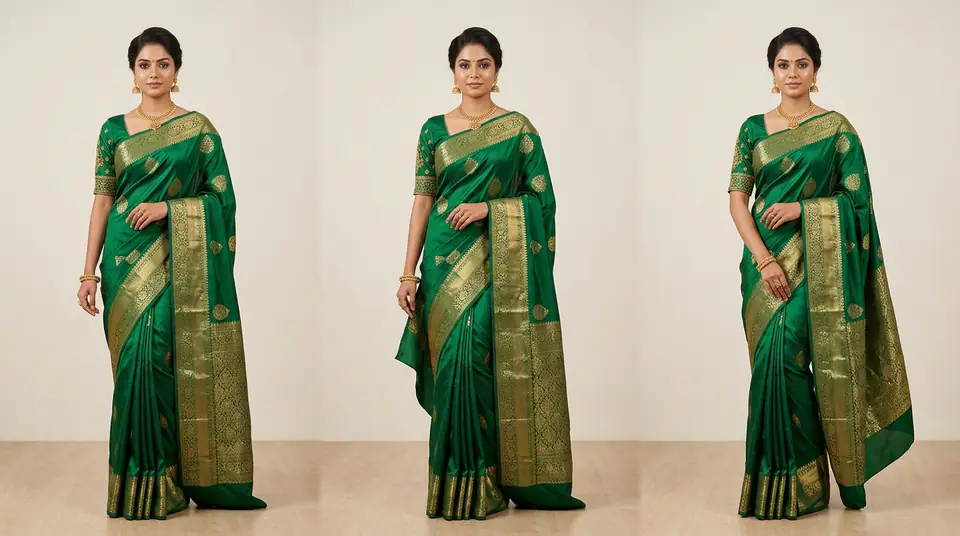
1K costs 9 credits, 2K 25 and 4K 35. We looked at which size sellers actually pick and how often each one succeeds, then turned it into a decision table by use.
Every week: the new playbook for catalogue photography, ecommerce conversion, and AI fashion content. Written for founders, not agencies.

1K costs 9 credits, 2K 25 and 4K 35. We looked at which size sellers actually pick and how often each one succeeds, then turned it into a decision table by use.
Latest articles

Recolouring one garment photo into six colours sounds easy. Our logs show it succeeds 86.0% of the time, and a short checklist shows what to check besides the base colour.

We went through our own logs: 13,400 AI image requests from 23 April to 25 November 2026. Here is how often each mode worked, where it failed, and what we would do differently as a seller.

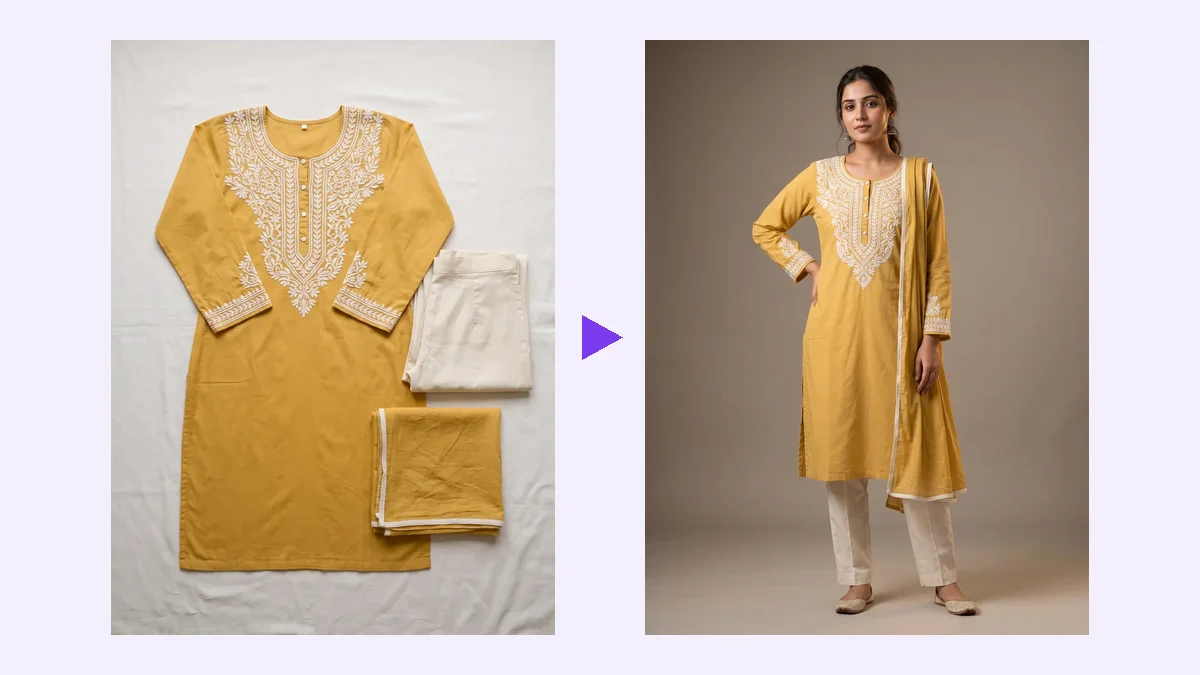
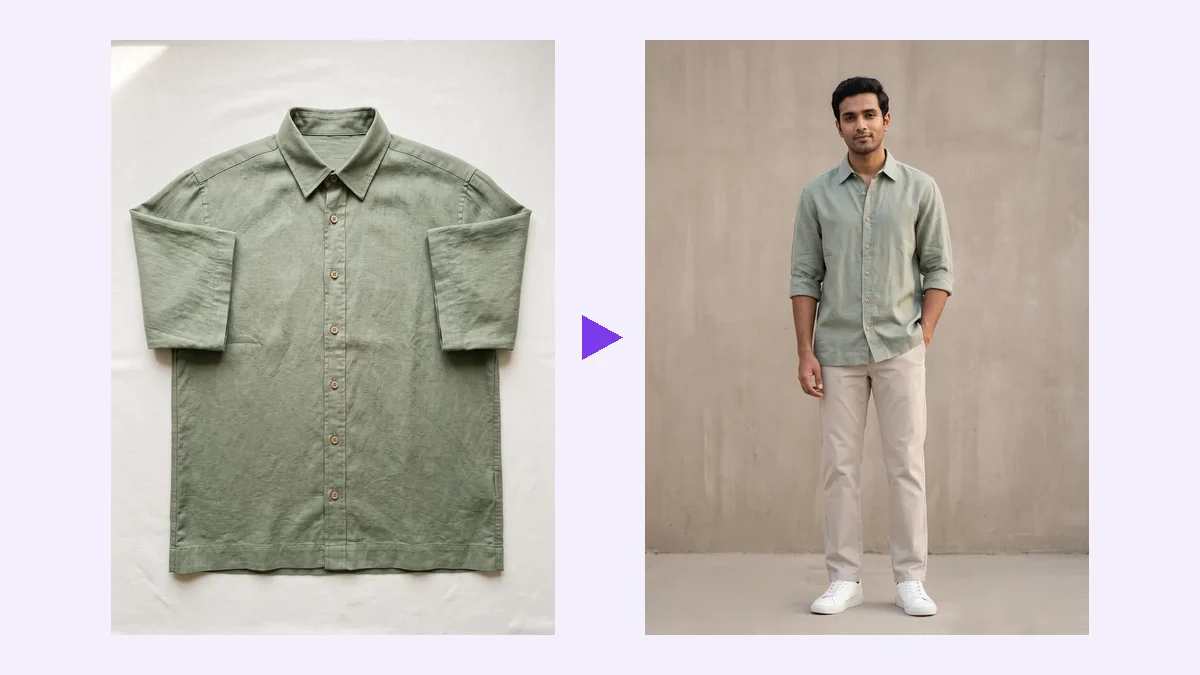
One flat-lay photo of a kurti becomes an on-model catalogue photo. We walk through the steps, the choices at each one, what to check before a marketplace upload and an example credit budget.

Our founder explains why garment detail vanished in early AI photos, what we found in the image model, and the fixes we shipped: close-up crops, a thread-colour rule and face masking.

What AI fashion photography is, which kind of tool suits a clothing seller, how to get accurate results from one garment photo, and where it still falls short.

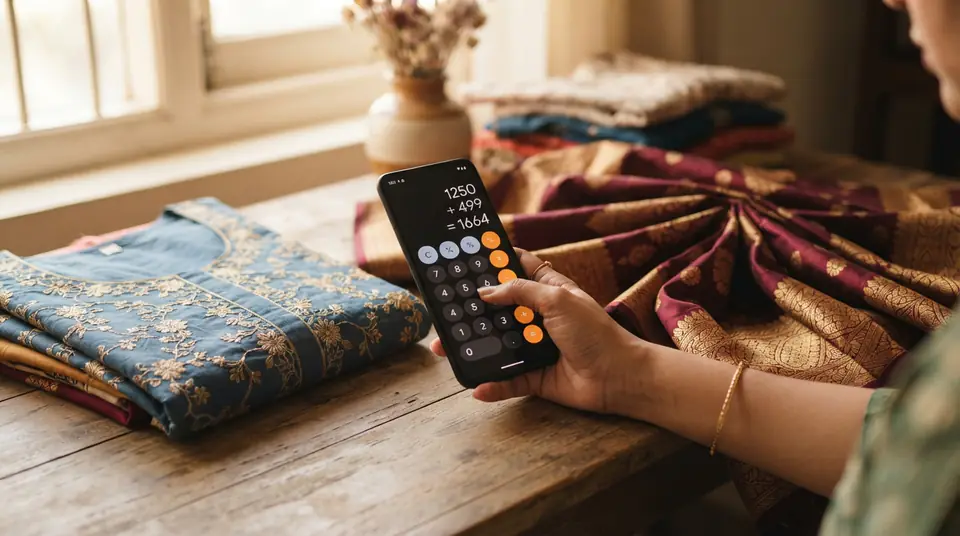
Add your real costs first, then work backwards to a price with a formula. Two worked examples with the arithmetic: a kurti and a saree.

What to put in a clothing description (fabric, fit, occasion, care), a fill-in template, and a before-and-after example that answers the questions buyers ask.

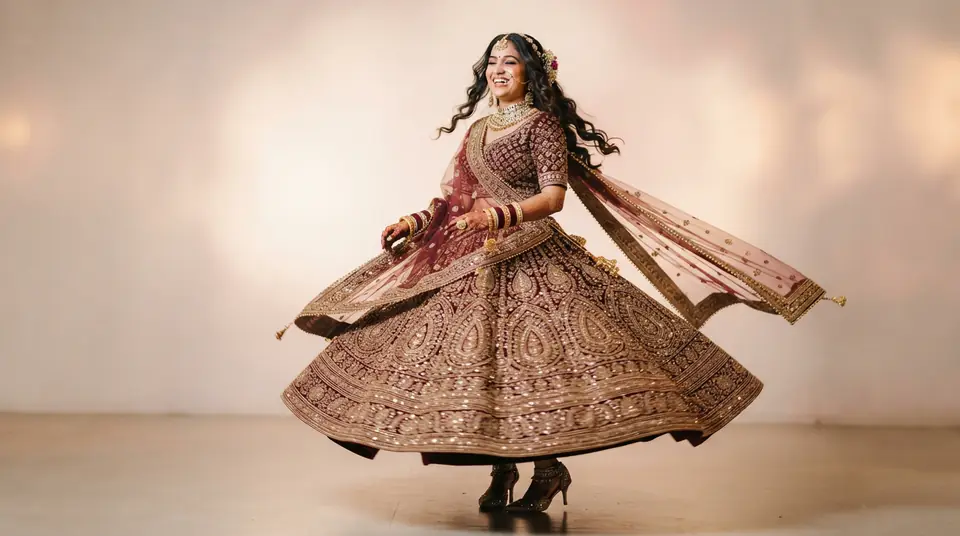
A lehenga has a skirt, blouse and dupatta that all need to be seen. Here are the poses, backgrounds and a simple shot list that show them clearly.

Every field a GST tax invoice needs, when to charge CGST and SGST or IGST, how many HSN digits to show, and a free tool that lays it out for you.

The current GST slabs for garments, how the per-piece price threshold works, and the 6- and 8-digit HSN codes sellers use for kurtis, lowers, dresses and nightwear.

The difference between a GS1 product barcode and an in-house SKU barcode, which one marketplaces ask for, and how to print either cleanly.

What a SKU is, how it differs from a barcode or EAN, a simple format for clothing sellers and a free tool to generate hundreds at once.

What RTO is, how it differs from a customer return, what each costs you, and practical ways sellers reduce them.

How to turn A4 label PDFs into 4×6 thermal labels, the printer settings that matter and how to avoid barcode problems at pickup.
The formulas couriers and freight forwarders use, worked examples for clothing parcels and cartons, and how packaging changes what you pay.

The formulas for discount and sale price, why stacked offers don’t add up, and a quick way to check a sale price is still profitable.

What actually makes a photo file big, the order of steps that keeps it sharp, and free browser tools that hit an exact KB target.

The four ways to photograph clothes for online selling, a shot list, set-up tips, and a worked cost comparison for a 100-style catalogue.

Do you need to tell buyers a model photo is AI-generated? A practical look at what the rules say, when disclosure helps, and how to keep AI photos accurate to avoid returns.

Virtual try-on is for your customer; an AI photoshoot is for your catalogue. Four myths sorted, with what actually cuts returns.

How to calculate your real margin on Myntra: commission, fixed fee, shipping and returns, with a worked example you can rerun with your own rate card.

How to plan and budget a catalogue photoshoot for a clothing brand in India: who to hire, which shots you need, how long it takes, and when AI on-model photos make sense.

Which free apps to use for each job when photographing clothes to sell: shooting, background removal, colour correction, resizing and on-model photos, with working image sizes for Indian marketplaces.

What an AI product image generator can and cannot do for Meesho sellers: cost versus a studio shoot, a compliance checklist, and who it suits.

Seven background ideas for clothing photos, from the plain white marketplaces ask for to textured and lifestyle looks for Instagram, and how to keep a catalogue consistent.

What free AI fashion model generators usually give you, what they limit, and a checklist for testing one on your own garment before you rely on it.

A phone is enough to start. Here is what actually matters: light, background, consistency, and where phone photos stop being enough for marketplaces.

The Amazon India apparel image rules that matter most: main-image background, size for zoom, frame fill, and a shot checklist that fills your image slots.

Ek garment photo upload karke AI model photo banane ke steps, photo ki common galtiyan, resolution kaise chunein aur cost ka seedha hisab.

Common reasons Flipkart rejects apparel images, a checklist to run before you upload, and a cost comparison of studio shoots and AI model photos.

Catalogue photo banane ke 4 common myths aur unka sach: cost, real model vs AI model, smartphone photos, marketplace rules aur background, Indian fashion sellers ke liye.

The working Meesho image specs (1:1, 500x500 minimum, clean white background), what usually triggers a rejection, and a checklist to run before you upload a catalogue.

Ajio decides image rules in its seller panel and they change. Here is how to check the current specs, the usual reasons photos fail QC, and a shot-list that works for apparel.

Ghost mannequin photography gives a clean, floating-garment look. Here is where the cost comes from, how to compare quotes, and when an on-model photo does the job better.

What Indian marketplace image policies focus on (accurate representation, size and background), what to check in your seller panel, and a checklist for using AI model photos safely.

The working Myntra image specs (3:4 portrait, 1080x1440 minimum), what QC commonly rejects, and a pre-upload checklist for apparel sellers.

A line-by-line look at what a saree catalogue shoot costs in India, how to work out the real cost per image, and what AI photos cost by pack.

How to compare product photography cost per image in India across studio, freelance, DIY and AI, with a worked example you can rerun with your own quotes.

Your WhatsApp catalogue is often the first thing a buyer sees. A shot list, lighting and consistency checklist, plus what an AI-photo catalogue costs.

A crumpled or badly placed dupatta makes a good kurti set look cheap in a thumbnail. Here is how to style it for product photos, and how to shoot every set the same way.

Fashion ads that start well and then slow down are usually suffering from creative fatigue. Here is how to spot it, what counts as a real refresh, and a weekly routine for Indian sellers.

A practical photo checklist for Myntra and Ajio listings: sharpness, angles, colour, consistency and how to test changes, with a worked cost example.

Product photos bring organic traffic only if Google can read them. A practical guide to alt text, file names and image quality for fashion catalogues.

Inconsistent catalogue photos make a store look disorganised. Here is how to lock background, lighting, framing and model with a one-page shot spec, and apply it to hundreds of SKUs.
Why catalogue photos go soft when a shopper pinch-zooms, the pixel arithmetic behind it, and how to produce 2K images that stay sharp on Amazon, Myntra, Flipkart and Meesho.

What makes Meesho catalogue photos work (lighting, consistency, fit and detail), what poor photos cost you, and how AI model photos fit into a supplier workflow.