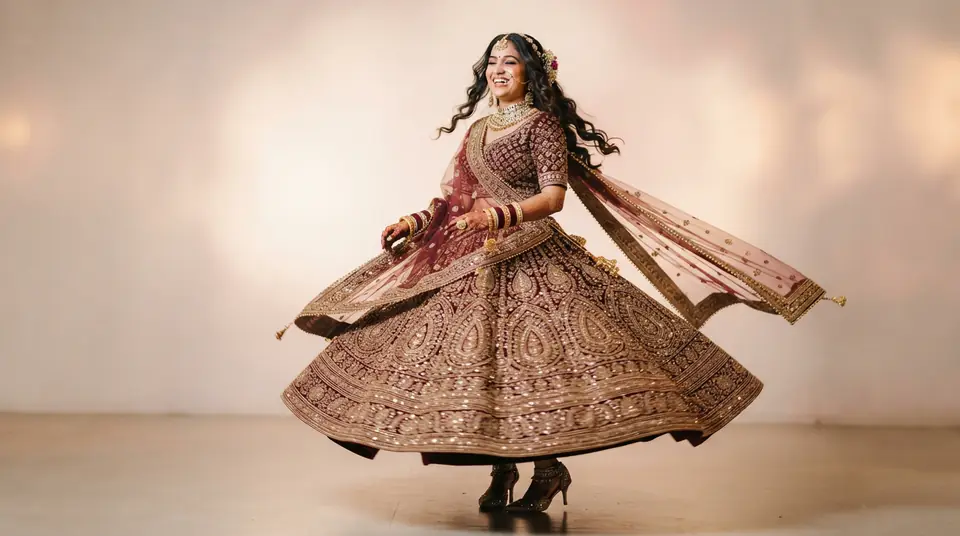
The Anatomy of a Selling Pose: It's All in the Details
A lehenga is four things at once: the skirt, the blouse, the dupatta and the overall silhouette. A buyer judging it on a flat screen needs to see each one. Poses that bunch up the skirt, hide the blouse design or let the dupatta fall flat remove part of the sales pitch.
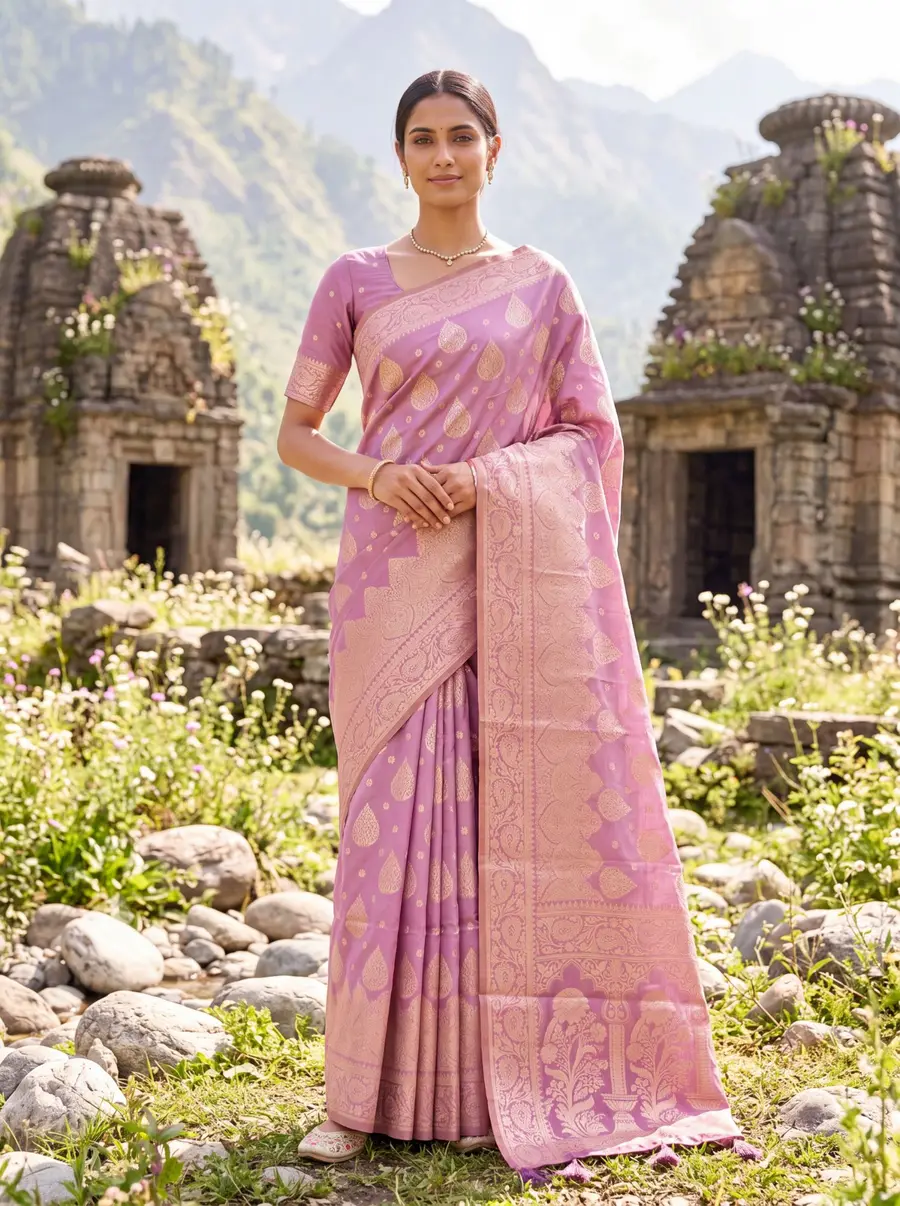
Poses borrowed from western wear often fail here. On a heavy bridal lehenga with zari work across the skirt, a straight-standing pose can hide half the design in folds. Choose poses that spread the skirt so the camera sees the full border and body work.
Lehenga Photoshoot Ideas: Poses That Convert
Plan a sequence rather than one hero shot. Each pose below has one job:
| Pose | What it shows | Best for |
|---|---|---|
| Full front stand | Silhouette, neckline, full skirt design | Main listing image |
| Seated pose | Skirt spread, border work, how the fabric settles | Bridal and heavy lehengas |
| Side profile | Cut, fit, sleeve design | Fitted blouses, specific cuts |
| Over-the-shoulder / back | Dupatta drape, blouse back, jewellery | Embroidered dupattas, back designs |
| Twirl | Skirt flare and volume | Ghagra styles, flowy fabrics |
| Walking | Natural fall of the fabric, length | Daywear, lighter fabrics |
A practical shot list for one lehenga: full front, side, back, seated, dupatta and two close-ups of the embroidery or border. That is seven images, enough to answer the usual buyer questions. For the full front, let the skirt fall naturally without bunching so the whole front panel shows. Catch the twirl mid-motion for maximum flare, and treat it as a supporting image.
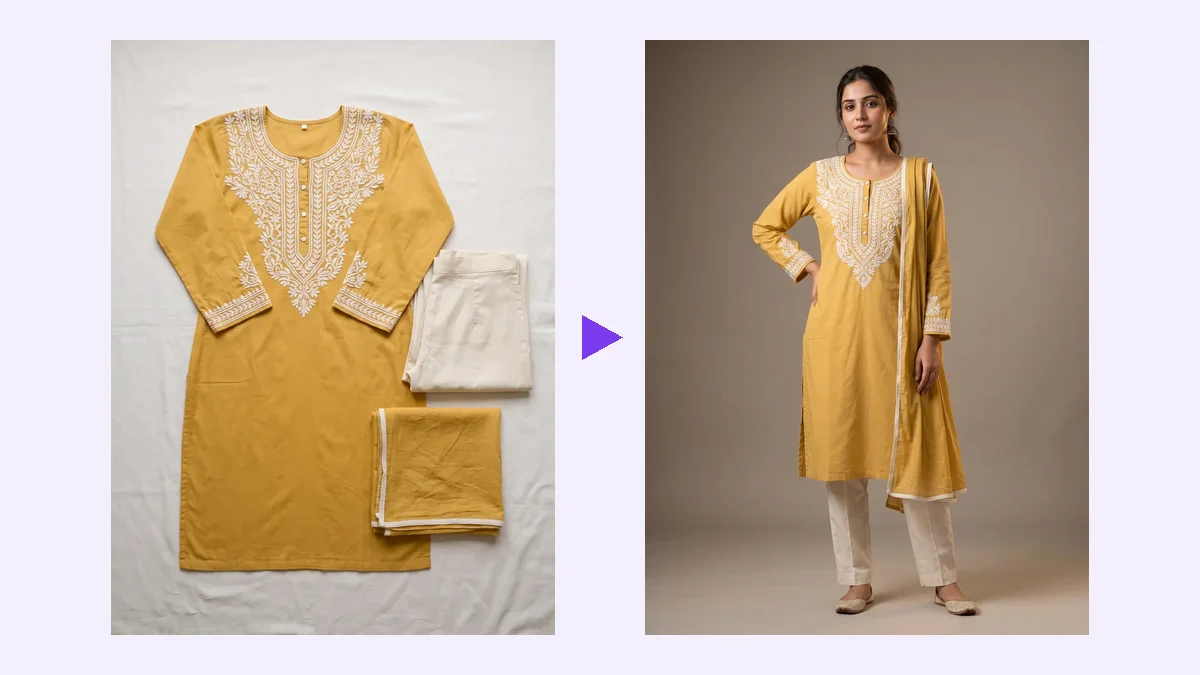
DrapifyApp can make these poses from one garment photo without booking a studio. Upload the lehenga, pick the model and pose, and compare results. See the AI lehenga photoshoot page for an example with detailed embroidery.
Setting the Scene: Backgrounds That Speak "Premium"
A cluttered background makes even an expensive lehenga look cheap. Marketplaces often ask for a plain white or light background on the main image, but the rules change, so check the current image guidelines in your seller panel. Secondary and lifestyle images usually give you more room.
For a premium look, use muted solid colours such as off-white, soft grey or pastel, which complement the lehenga without competing with it. A plain textured wall suits bridal pieces. Avoid busy patterns unless the shoot has a theme, such as a festive collection.
Lighting matters as much as the backdrop. Use soft, even light, either daylight or softboxes, so the colour on screen matches the fabric. A lehenga that looks blue online and arrives green comes back as a return. For lifestyle shots, match the setting to the style: a heritage setting for traditional bridal wear, a minimal one for contemporary designs, a garden for soft, flowy pieces.
With DrapifyApp you can regenerate the same lehenga in different scenes and compare backgrounds before choosing one, instead of paying for physical sets.
The Cost of Perfection (or Near-Perfection)
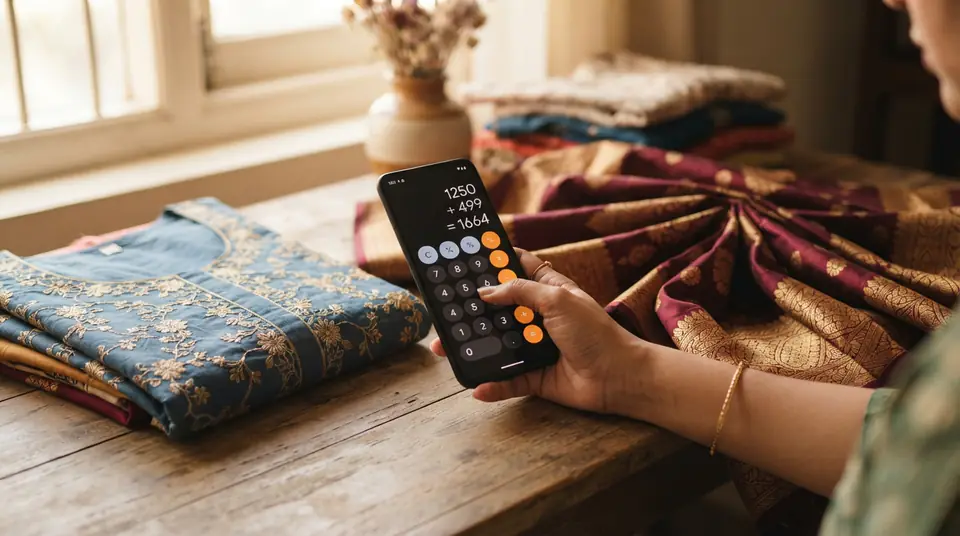
A studio shoot adds up from the model, photographer, makeup artist, studio rental and retouching. Rates vary widely by city and crew, so get two or three quotes and divide the total by the number of approved images. That is your real cost per photo.
Both are examples, not quotes: your studio price and the pack you buy will differ. The difference that does not depend on price is time. A generated photo takes about 3 minutes, so you can add a new design or colour the day it arrives. The free 2K photo and one free redo let you check quality before paying. See AI model photoshoot for the full flow.
Who This Is NOT For
If you sell bespoke couture where the artisan's story and the physical garment are the product, an editorial shoot with a photographer you trust may still be the better choice. If you list only a handful of designs a year and know each buyer personally, careful phone photos may be enough. For sellers adding new designs and colours regularly, a quicker and cheaper workflow usually matters more.