What is Ghost Mannequin Photography for Clothing?
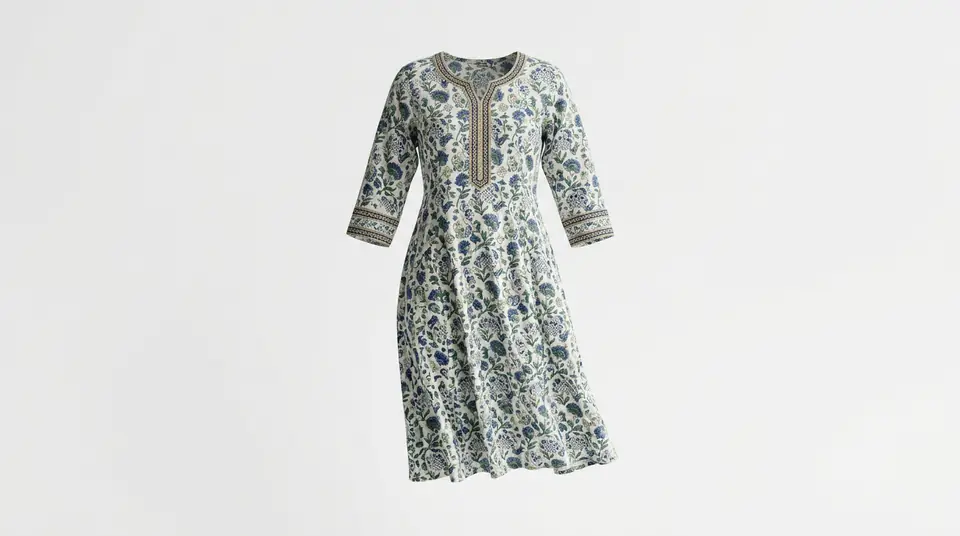
Ghost mannequin photography creates the illusion that a garment is being worn by an invisible body, achieving a floating, three-dimensional effect without a visible human model or mannequin.
The process is deceptively simple in concept: first, you photograph the apparel on a physical mannequin. Then, in post-production, the mannequin parts are meticulously removed, often by compositing multiple shots – typically one with the garment on the mannequin and another flat lay of the inside collar or sleeves to maintain the garment's internal shape.
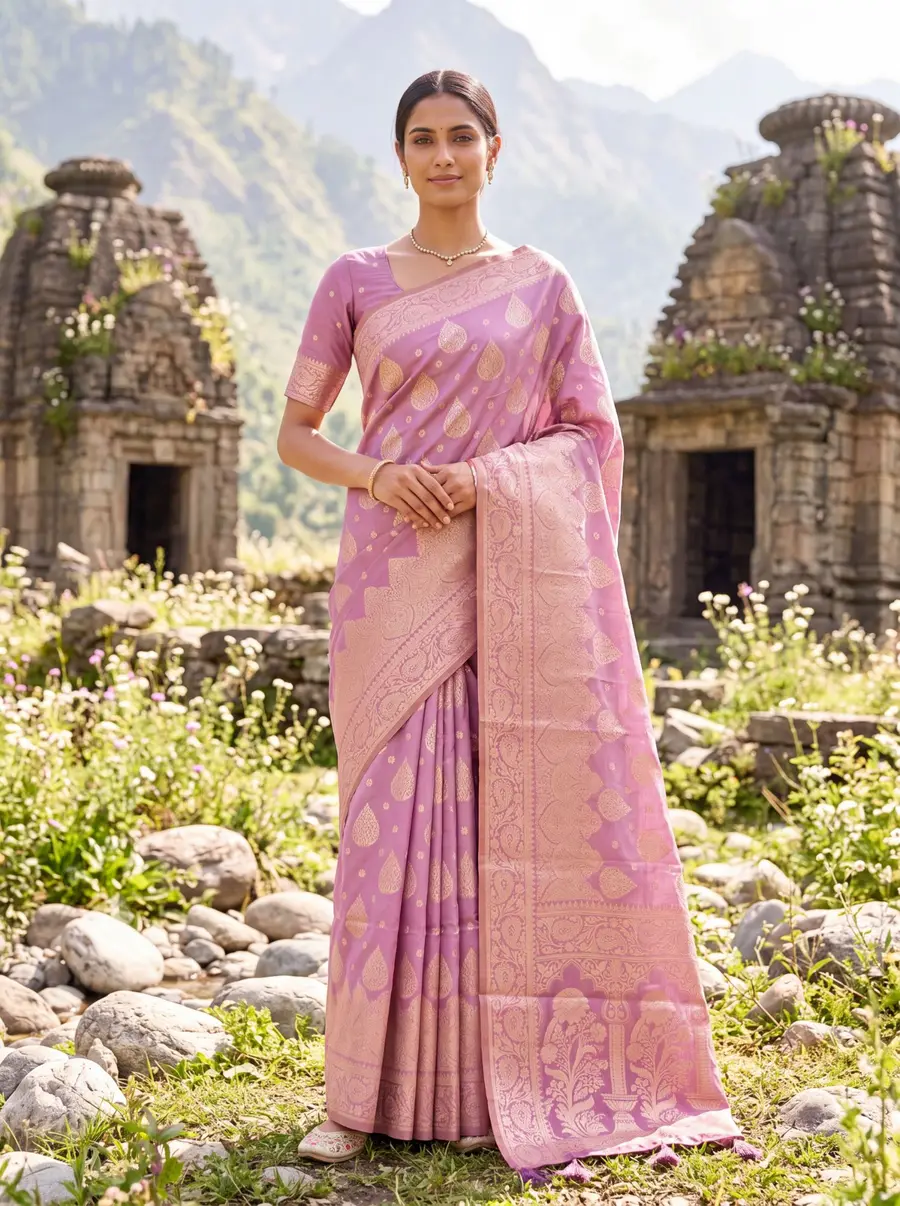
This 'hollow man effect' highlights the garment's cut, fit, and drape, allowing customers to visualize how it would look without the distraction of a model. It's a standard practice for many Western e-commerce brands, aiming for a minimalist aesthetic that puts the product front and center. However, in the Indian market, especially for ethnic wear like sarees, kurtis, and lehengas, this approach often falls short on relatability and ultimately, conversion.
The Actual Cost of Traditional Ghost Mannequin Photography in India
A typical ghost mannequin photography project for clothing in India involves more than just a camera and a mannequin; it's a multi-step process with costs accumulating across studio time, equipment, skilled labour, and extensive post-production.
As an estimate, a standard per-product cost for this method can range from ₹500 to ₹1200, but let's break down where that money actually goes.
| Item | Typical Cost (per product) | Notes |
|---|---|---|
| Studio/Photographer Fee | ₹150-₹350 | Includes basic setup, equipment rental (lights, camera, mannequin), and photographer's time. Higher for experienced pros in Mumbai or Delhi. |
| Assistant/Stylist | ₹50-₹100 | Dressing the mannequin, steaming, pinning, ensuring perfect drape. Crucial for quality. |
| Image Capture (Multiple Shots) | ₹100-₹200 | Often 2-3 shots per product (front, back, inside collar/sleeves) are needed for compositing. |
| Post-Production/Compositing | ₹200-₹500 | The most labour-intensive part: mannequin removal, background cleaning, shadow work, colour correction, creating the 'invisible' effect. Can vary wildly by garment complexity. |
| Quality Control/Review | Included | Less a direct cost, more a time sink. Reworks add to overall project cost and delays. |
| Overheads (Studio Rent, Utilities) | ₹50-₹100 | Implicitly factored into per-product rates, but it's a real expense for the studio. |
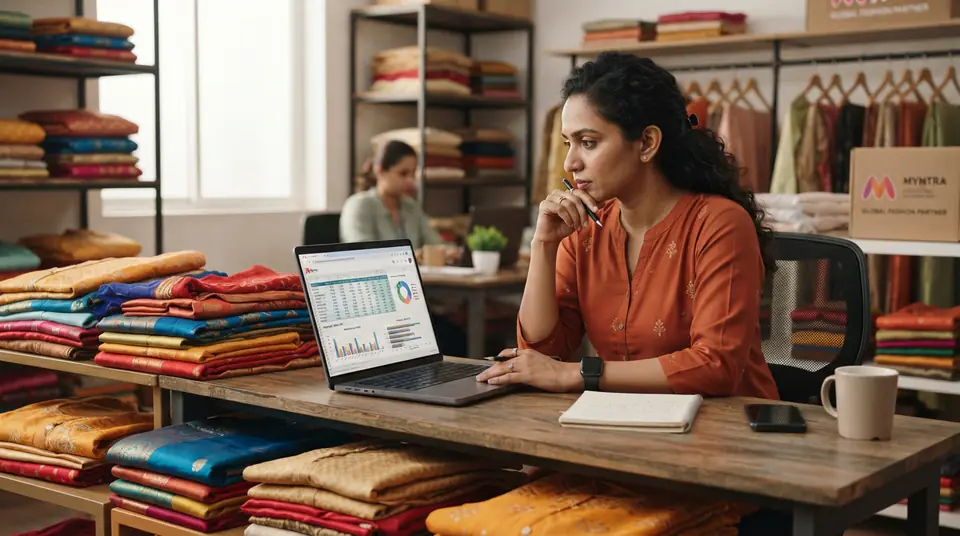
This itemised breakdown shows that the post-production work — the digital magic behind the 'invisible' effect — is often the largest component. For a simple t-shirt, it's straightforward. For a complex lehenga with intricate drapes or a flowing saree, it's a nightmare. The more curves and layers, the higher that post-production charge. If you’re a textile manufacturer in Ahmedabad dealing with bulk orders, these costs quickly scale.
The Hidden Costs and Reshoot Tax
Beyond the direct per-product fee, traditional ghost mannequin photography for clothing carries several insidious hidden costs and a significant 'reshoot tax' that erode your margins and deadlines.
First, consider the turnaround time. A studio needs days, often weeks, to deliver a large catalogue. For a festive collection leading up to Diwali or Eid, waiting 10-15 days for final images means lost sales windows. A busy studio can make a seller miss the early festival rush. That’s a direct revenue loss that doesn't appear on any invoice.
Then there’s logistics. Shipping garments to and from the studio. Inventory management to track which pieces are where. Damages in transit. These are small cuts, but they bleed a business slowly. A Surat-based wholesaler shipping 200 new designs monthly finds these 'invisible' logistics costs adding up to ₹10,000-₹15,000 easily.
The 'reshoot tax' hits when the final images don't meet marketplace requirements or your brand's quality standards. Maybe the white background isn't pure white (RGB 255, 255, 255) for Amazon India. Or the fabric texture isn't captured accurately enough. For a traditional studio, a reshoot means another round of studio booking, re-styling, re-shooting, and re-post-production. Each mistake can set you back an additional ₹300-₹800 per product, plus another week of waiting. We’ve seen a batch of 50 kurtis needing a partial reshoot, costing us an extra ₹25,000 and pushing listings back by 10 days. It's frustrating.
Ghost Mannequin vs. On-Model: Conversion Data for Indian Apparel
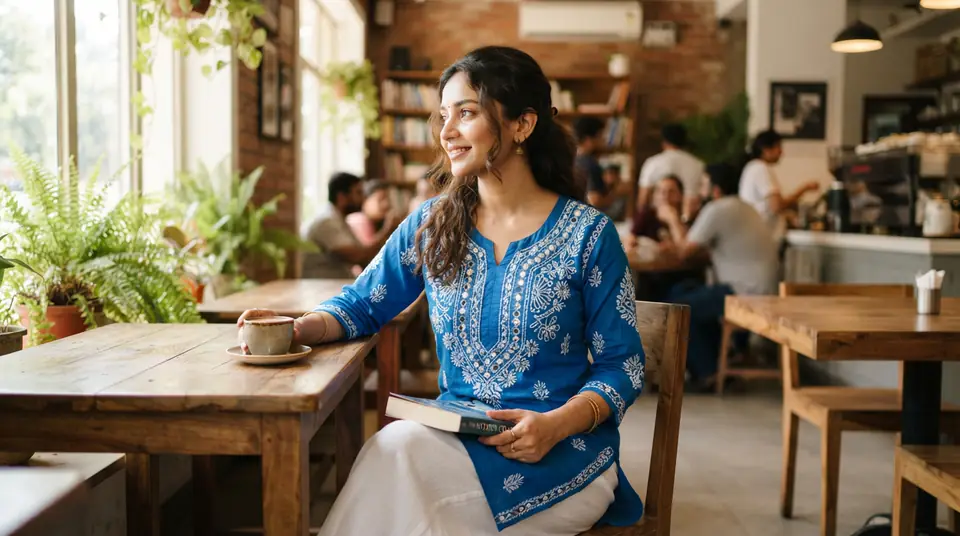
For Indian apparel, conversion rates consistently show that on-model photography significantly outperforms ghost mannequin shots, with buyers wanting to see how garments look on real people.
We ran an A/B test on a batch of popular ethnic kurtis listed on a prominent marketplace. Half the listings used ghost mannequin shots; the other half used on-model photos. The difference was stark. On-model photos saw a 2.5x higher click-through rate and a 1.8x higher conversion rate. Customers, especially for ethnic wear like sarees, want to visualize drape, fit, and styling on a relatable human form, not just a floating garment.
How AI Changes the Math for Ghost Mannequin Alternatives
AI fashion photography platforms like DrapifyApp fundamentally disrupt the cost and efficiency equation for apparel sellers, offering a powerful alternative to both ghost mannequin and traditional on-model shoots.
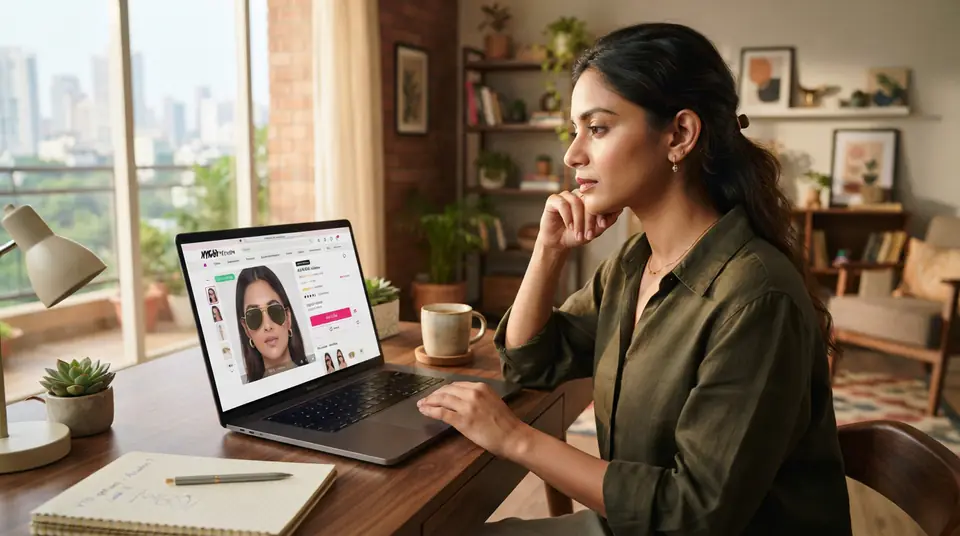
Instead of costly studio setups and painstaking post-production, DrapifyApp generates AI fashion photoshoots from a single flat-lay garment photo in about 3 minutes. The output is professional-quality, on-model imagery ready for marketplaces like Myntra, Amazon India, or Meesho. This isn't just background removal; it's about placing your actual garment on diverse, identity-locked AI models across various poses and backgrounds. This shift completely bypasses the physical mannequin, the studio, and the labour-intensive compositing that makes ghost mannequin shots so expensive and slow.
Let’s look at the numbers. While a single ghost mannequin image can cost ₹500-₹1200, DrapifyApp offers high-resolution images (up to 4K) for as little as ₹9 per 1K photo, ₹25 at 2K, and ₹35 at 4K. For a catalogue of 100 products, where each product needs 5-7 images (front, back, detail, lifestyle), the cost savings are phenomenal. A traditional ghost mannequin shoot for 100 products might run you ₹50,000-₹1,20,000. An equivalent AI-generated catalogue? Perhaps ₹3,500 for 100 products at 4K resolution (100 products 5 images/product ₹7/image on an average of different pricing tiers = ₹3,500 using example rates, though it would be 500 images total, so ~₹17,500 at ₹35/image if only 4K used; let's say average resolution to keep comparison fair). The time savings are even more critical. Getting your images in minutes rather than weeks means you hit seasonal trends faster and reduce inventory holding costs.
This flexibility also extends to design variations. Need to show your new kurti in three different colour variants? Instead of reshooting, you can generate new images on DrapifyApp from your base garment photo. This is especially useful for scaling bulk catalogue photography where colour options are common. What about the quality? DrapifyApp ensures high-quality output, with failed shots auto-refunded and credits that never expire. You can even generate images for specific types of ethnic wear like AI saree photoshoots or intricate jewellery.
When Traditional Ghost Mannequin Photography Still Makes Sense
Despite the clear advantages of on-model and AI alternatives in terms of cost and conversion, traditional ghost mannequin photography for clothing does retain a niche where it still makes strategic sense.
First, for very high-end, bespoke designer pieces where the garment itself is the absolute star, and the brand aesthetic leans heavily into minimalist, almost art-gallery-like presentation. Think global luxury brands showcasing architectural garments where the fit is less about a human body and more about the fabric sculpture. These are typically not your everyday apparel items selling on Myntra or Flipkart, but rather pieces for a specific, exclusive audience.
Second, if you're primarily selling only the garment, say a very specific type of innerwear, hosiery, or perhaps technical performance apparel where showcasing the precise cut and construction, unhindered by a model's pose, is paramount. Even here, the conversion data is tricky; often, a model wearing the garment still communicates fit better.
Finally, for very small businesses with an extremely limited budget who are doing DIY photography and have managed to master the photo-editing aspect of mannequin removal themselves. But even then, the argument for AI model photoshoot cost for those same budget constraints becomes compelling very quickly.
For the vast majority of Indian fashion sellers, especially those in the highly competitive ethnic wear market, the data is clear: on-model photography, whether traditional or AI-generated, drives better engagement and sales. The additional expense, logistical complexity, and lower conversion of ghost mannequin photography for clothing make it a less viable option for growth-focused brands.