How Can a Small Brand Get Seen on Google?
A small indie fashion brand gets seen on Google not by outspending giants on ads, but by creating product pages so detailed and visually rich that they become the best answer for a specific search query. You're not trying to rank for 'kurti'. That's a fight you can't win. You're trying to rank for 'hand-block printed Sanganeri cotton kurti with angrakha neck'. FabIndia has a page for that kurti, sure. But it's probably got three generic photos and a two-line description written by an intern.
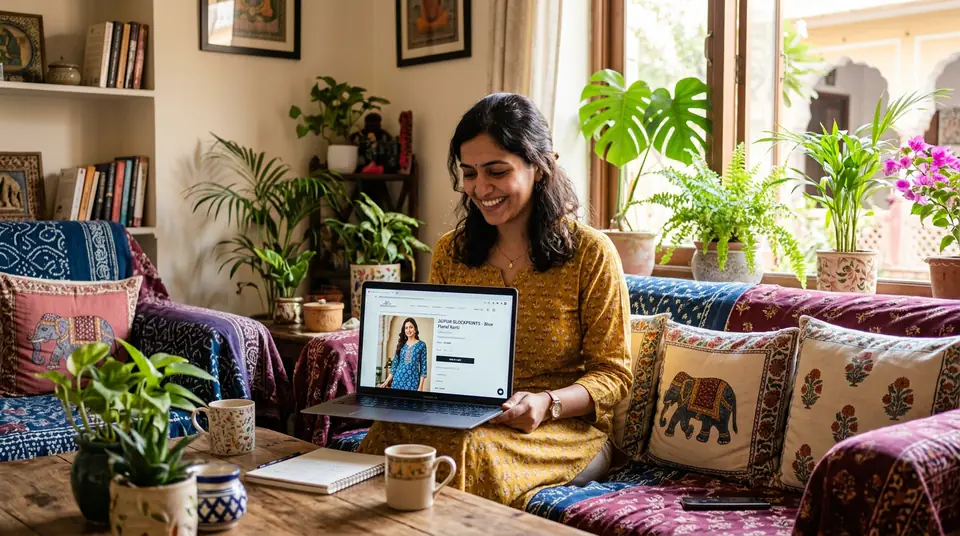
Your page, on the other hand, can be a masterpiece. It can have ten photos showing every detail: the texture of the cotton, the way the tassels on the dori hang, a close-up of the specific block printing motif. Your description can tell the story of the artisan family in Bagru who made the fabric. You turn a product page into a destination. Google's whole job is to find the most helpful result. When someone is looking for that very specific kurti, your obsessive, beautiful page is infinitely more helpful than a generic corporate listing. This is your opening. This is how you get seen.
What's the Real Cost of Competing on Photography?
The real cost of competing on photography for an indie fashion brand isn't the initial studio shoot, which can range from ₹18,000 to ₹40,000 a day in Jaipur, but the crippling inability to refresh your catalogue quickly and affordably. I learned this the hard way. My first 'professional' shoot cost me nearly ₹30,000 for one day. The model was late, the photographer was rushing, and half the photos came out with weird shadows because the studio lighting wasn't right for my fabrics.
The results were… fine. They looked like everything else on Amazon. But I was stuck with them. I'd spent my entire quarterly marketing budget. I couldn't afford to reshoot when I got a new colour in my bestselling design. I couldn't afford to get different angles for a special Instagram campaign. This is the trap. The big upfront cost locks you into a static catalogue, while fast fashion and customer tastes move on. Big brands can absorb these costs; for a small seller, one bad shoot can sink you for an entire season.
“Didi, I paid ₹25,000 for a one-day shoot. They rushed through 30 pieces, the pictures look like everyone else's on Myntra, and now I'm stuck with them for six months.”
Generate your own AI fashion photoshoot with Drapify — 50 free credits, no card required.
How Do Product Photos Actually Make a Sale?
Product photos make a sale by answering a customer's unspoken questions about fit, fabric texture, drape, and colour accuracy, building enough trust for them to click 'buy' without ever touching the garment. A customer on her phone in Mumbai wants to know: Is that cotton stiff or soft? Will that print look too loud in person? How does the fabric fall when I walk? Will the colour wash me out? A single, flat, front-on photo answers none of these questions. It just shows an outline of a product.
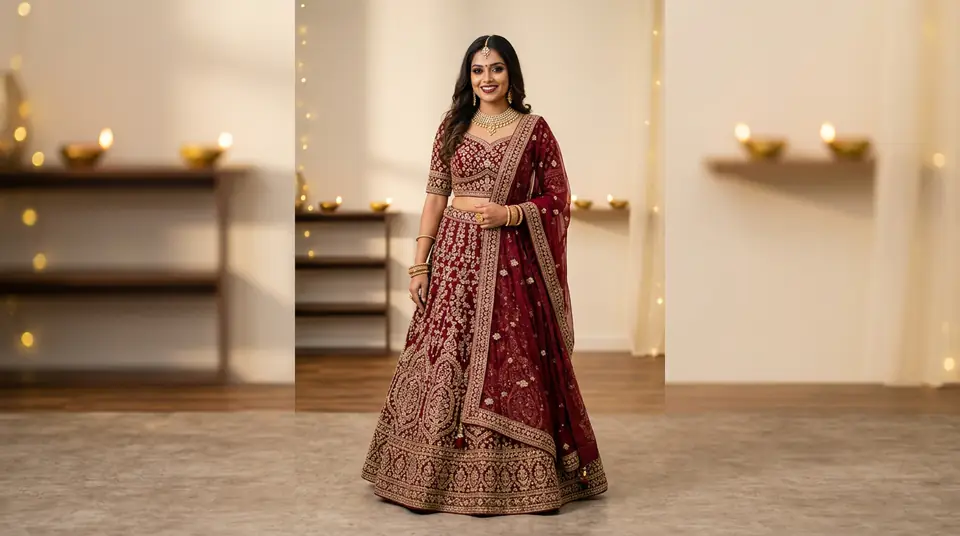
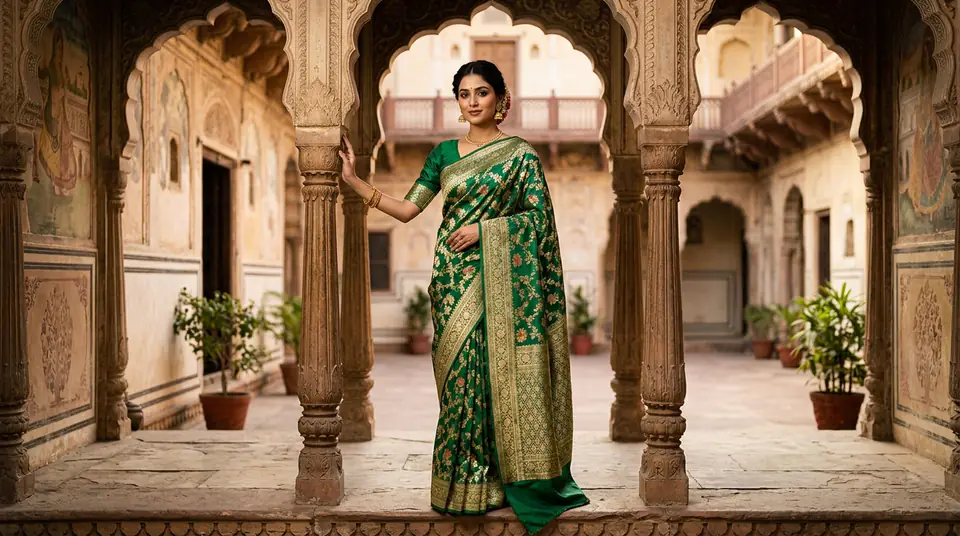
This is where we, the small obsessive brands, win. We can show everything. And you don't need that expensive studio to do it. Honestly, for the last year, I haven't. I take a clean flat-lay of my garment and use a tool like Drapify to generate an entire photoshoot. I can get on-model images in ten different poses, showing movement, different angles, even styled looks. This lets me build a page that shows the life in the garment. It's how I build a better page for my boutique clothing photography than a multi-crore company. I'm not just selling a kurti; I'm selling the confidence that it will look good on her.
Is It Better to Sell 100 Things or 10 Things Well?
It is far more profitable for an indie fashion brand to sell 10 products exceptionally well, with deep and rich visual catalogues for each, than it is to sell 100 products with mediocre photography. The math is simple. More SKUs means more inventory cost, more dead stock risk, and a thinner budget for marketing each item. By focusing on a small, curated collection, you can afford to make every single product page a masterpiece. You can make it the undisputed best result on the internet for that item.
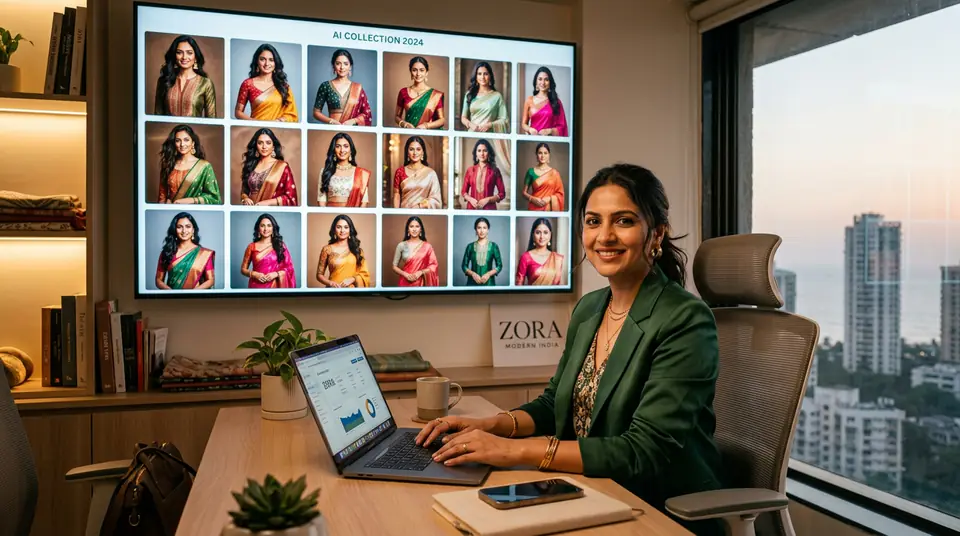
Think about colour variants. In the old studio model, if my best-selling kurti came in a new blue, I'd have to pay the photographer and model all over again just for that one garment. It was never worth it. Now, with AI, the game has completely changed. I can upload one photo of the new blue fabric and my existing kurti style and Drapify can generate color variant photos with AI models in minutes, at a cost of maybe ₹15 a photo. I can expand my catalogue depth without expanding my costs. This is the new economics of niche e-commerce. It's a fundamental shift, a complete rethink of the AI vs traditional fashion photoshoot debate.
| Task | Traditional Studio (10 SKUs, 3 Colours) | AI Photoshoot (10 SKUs, 3 Colours) |
|---|---|---|
| Initial Photoshoot | ₹30,000 (1 day) | ₹0 (DIY flat shots with your phone) |
| Model, Stylist, MUA Fees | Included in day rate | ₹0 |
| Cost per Photo | ~₹166 (for ~180 photos) | ~₹15 per photo |
| Total Photo Cost (180 images) | ₹30,000 | ~₹2,700 |
| Time to Market | 1-2 weeks (booking, shooting, editing) | Under 3 hours |
What's the Real Workflow for a Successful Indie Brand?
The real workflow for a successful indie brand is a tight, repeatable process: source a great product, take one clean flat-lay photo, generate a complete on-model catalogue using AI, and write a description so specific it feels like a personal recommendation. This isn't theory; this is what I do every Tuesday. A new batch of Bandhani dupattas arrives from the artisan. I don't call a studio. I lay the most beautiful one on a clean white sheet on my living room floor. I take a well-lit photo from directly above with my phone.
That photo goes into DrapifyApp. While my chai is brewing, it generates a full set of images on a model I've chosen, in poses that actually show off the drape of a dupatta. I download the 2K resolution images. I upload them to my website and my WhatsApp Business catalogue. Then I spend my time on what actually matters: writing a caption that tells the story of the tie-and-dye technique, not chasing a photographer for edits. My entire 'photoshoot' is done in less than an hour.
48 Hours
My 'Loom to Listing' Time
Under ₹3,000
Photoshoot cost for a 30-SKU collection
>90%
Reduction in Photography Costs
100%
Control Over My Catalogue
And the game isn't rigged. The internet is the great equalizer, but only if you understand the new rules. The rule is: be the most helpful, most detailed, most trustworthy option for your niche. You don't need a boardroom in Bengaluru to do that. You just need a floor in Jaipur and a better way to take pictures.