The Illusion of Likes: Priyanka's ₹18 Lakh Problem
Priyanka, the force behind Zariya, a boutique ethnic wear brand specializing in hand-block printed kurtis and elegant salwar suits, knew the game. To cut through the noise in the crowded online fashion space, she'd spent years chasing reach and engagement. She was an early adopter of influencer marketing, funnelling a significant chunk of her budget – close to ₹18 lakh over two years – into collaborations with fashion micro-influencers across Rajasthan and Delhi.
Each campaign felt like a mini-festival. The influencers, often shot in vibrant havelis or sun-drenched gardens, exuded effortless chic, showcasing Zariya's latest collections. The results, on paper, were fantastic: thousands of likes, hundreds of comments, swipe-up links generating solid traffic to her Shopify store. Her Instagram follower count soared. She felt like she was doing everything right.
But a knot tightened in her stomach every time she checked the actual sales figures. The traffic came, yes. The potential customers browsed. They added items to cart. Then, bafflingly, they often left. Her website's conversion rate stubbornly hovered at 0.8% for months, sometimes dipping lower. For every 1000 visitors she paid ₹15-20 each to acquire, only eight bought anything. She was effectively losing money on every single click that didn't convert.
The Diwali Reckoning: When Buzz Doesn't Pay Bills
The breaking point arrived after a particularly ambitious Diwali campaign. Priyanka had partnered with a mid-tier fashion influencer based in Udaipur, whose feed screamed heritage and contemporary style. The collaboration cost her ₹2.5 lakh, inclusive of production and promotion fees. The reels and posts were stunning; Zariya's festive lehengas and Anarkali suits looked absolutely breathtaking against the backdrop of an old fort.
The campaign delivered over 50,000 unique visitors to her store in three weeks. Priyanka's heart raced. This was it. But when the dust settled, the sales attributed directly to the campaign barely nudged past ₹1 lakh. She'd essentially paid ₹2.5 lakh to make ₹1 lakh in direct sales. The influencer content created phenomenal brand recall, sure, but it wasn't translating into cash.
““I was pouring money into building a beautiful dream, but when people landed on my product pages, the dream just… deflated. It felt like influencers got them to the door, but my dusty old catalogue photos slammed it shut.””
The Hard Truth: Your Catalogue is Your Closer
Priyanka initially blamed her website design, her pricing, even the festive rush. She tweaked checkout flows, ran flash sales. Nothing moved the needle meaningfully. It wasn't until a late-night call with a mentor, a seasoned D2C consultant, that the light bulb truly flickered.
“Priyanka,” her mentor had said, “influencers are like the best party planners. They create buzz, get people excited, and guide them to your event. But once they’re there, it’s your hospitality that determines if they stay and spend. For fashion, that hospitality is your product page, specifically your photos.”
She opened her own Shopify store as if seeing it for the first time. On one tab, an influencer’s gorgeous reel, featuring a Zariya kurti draped elegantly, wind catching the fabric. On the next, her product page: a static, slightly flat image of the same kurti, shot against a white background, the model looking… tired. The colours seemed less vibrant. The texture, less inviting. The model's poses were repetitive, almost generic.
The contrast was stark. Influencer content sold the vibe, the lifestyle. Her catalogue photos, on the other hand, were meant to sell the garment. And they weren't doing it convincingly. They lacked the aspiration, the consistency, and the sheer quality that would make a shopper feel confident clicking 'Add to Cart'.
Generate your own AI fashion photoshoot with Drapify — 50 free credits, no card required.
The Switch: From Flat Lays to Fantastic Form
Priyanka realised she needed to upgrade her product photography. Not just a touch-up, but a complete overhaul. She needed images that resonated with the aspirational tone of her influencer campaigns, yet still clearly showcased the product details. Traditional photoshoots felt too expensive and time-consuming, especially for her ever-changing inventory.
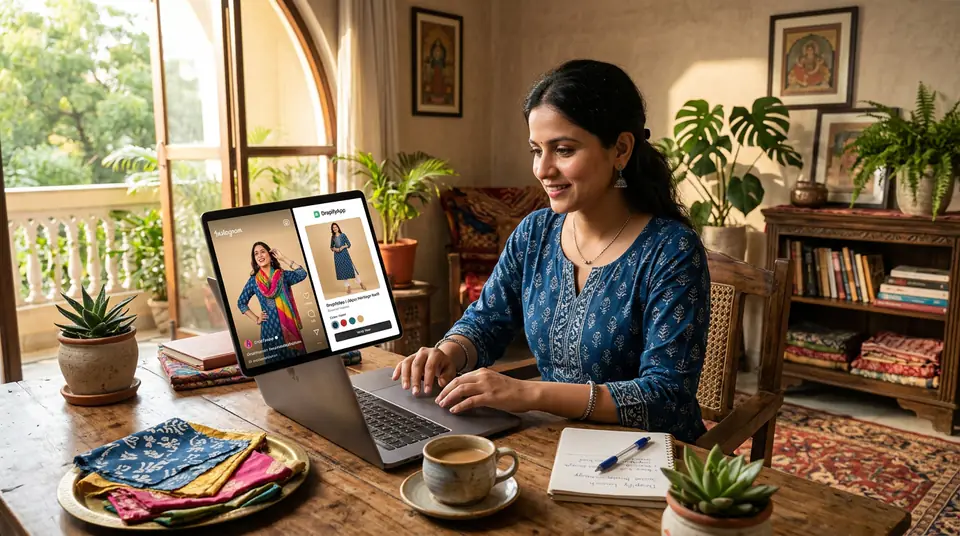
That's when she stumbled upon DrapifyApp. It promised AI-powered fashion photoshoots from a single garment photo, complete with diverse, identity-locked models and various poses. The idea was simple: take a decent photo of the garment, upload it, and DrapifyApp would generate professional, high-quality images on a model, in a setting, for about ₹15 a shot.
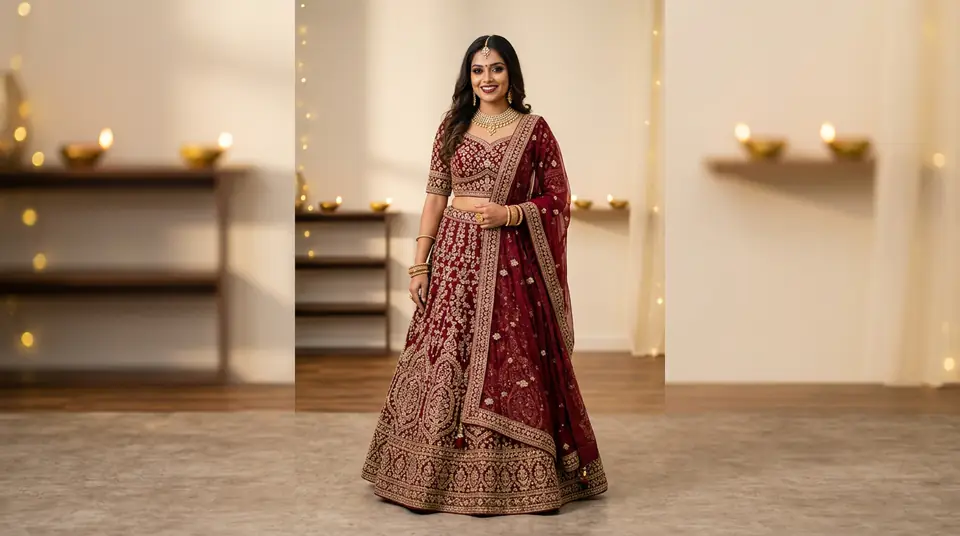
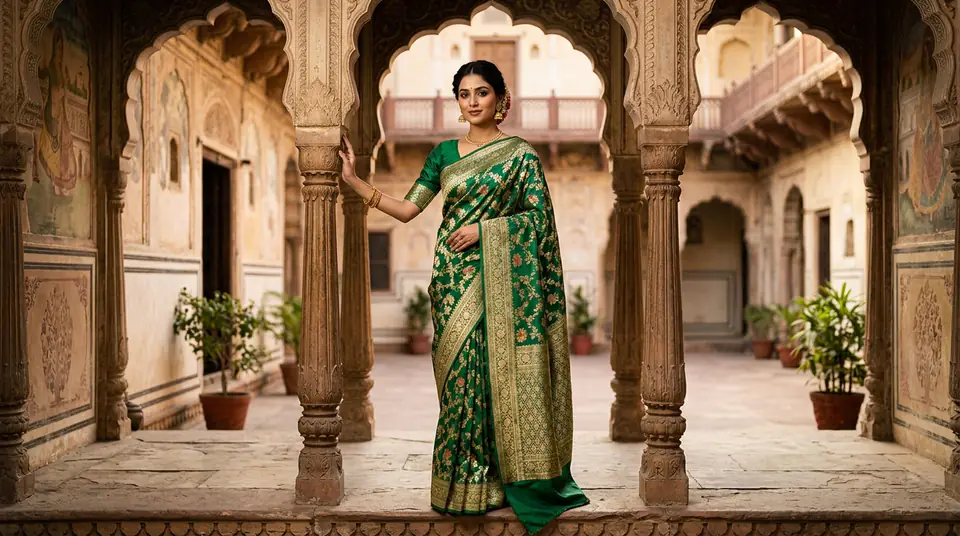
Skeptical but desperate, Priyanka tried the free credits. She uploaded her six best-selling kurti designs. Three minutes later, she had a gallery of stunning, consistent images. The models looked real, the poses dynamic, the backgrounds aligned with Zariya's brand aesthetic. It was fast. It was affordable. And crucially, it brought the same aspirational feel as her influencer content to her actual product pages.
From Likes to Lakhs: The Catalogue Photo Switch
Priyanka started with her top 20 products, replacing their old, lacklustre photos with the new DrapifyApp-generated ones. She ensured that the model's look and feel, even the background aesthetic, mirrored the aspirational content her influencers were creating. The impact was almost immediate. Within the first month:
0.8%
Previous Conversion Rate
2.0%
New Conversion Rate
2.5x
Improvement in ROAS
₹15
Cost per photo with DrapifyApp
Her conversion rate jumped from 0.8% to 2.0% – a 150% improvement. Her cart abandonment rate dropped by 28%. Her Return on Ad Spend (ROAS) on Instagram and Meta ads, which had been barely breaking even, soared to 2.5x. She wasn't just getting clicks; she was getting buyers. The investment in DrapifyApp paid for itself within weeks, allowing her to scale up her catalogue without worrying about expensive photoshoots or inconsistent visuals. With DrapifyApp, she could produce 4K photos ready for Myntra, Amazon, or her own Shopify store, making sure every listing looked as good as an influencer's post.
Priyanka's Wisdom: The Last Mile Matters Most
Today, Priyanka’s Zariya brand is thriving. She still works with influencers, understanding their power for reach and brand building. But now, every rupee spent on influencer marketing is amplified by a product page that actually converts. Her advice to other fashion brands is direct, born from hard-won experience.
“Don't get dazzled by likes and shares. They're great, they build the brand, they get eyeballs. But your catalogue photos? That’s where the rubber meets the road. That’s where the customer makes the decision. If your product doesn’t look as good, as aspirational, as desirable on your own store as it does in an influencer’s hands, you’re just throwing money away.” She pauses, a knowing smile playing on her lips. “Invest in that last mile. It's the only one that truly matters.”