The Silent Conversion Killer You're Ignoring: Lookbook vs Listing Photos Blunder
Let's be brutally honest. You've poured your soul, your rupees, and your vision into building a premium Indian fashion brand. You meticulously source fabrics from Varanasi, employ skilled artisans in Jaipur, and craft designs that rival the likes of Fabindia and Raw Mango. Your dream is to capture the discerning Indian consumer, and you believe your stunning, editorial-style lookbook photography is the key. But here’s the harsh truth: that very strategy might be silently sabotaging your online sales. This isn't just about losing a few customers; it's about systematically alienating buyers and watching your conversion rates flatline while competitors surge ahead. The blunder? Using the same photos for your aspirational brand lookbook and your transactional product listings. This isn’t a minor oversight; it’s a critical misstep that’s costing your premium brand thousands, if not lakhs, in missed revenue. Every click that doesn't convert, every abandoned cart, every product page quickly dismissed – these are the direct consequences of failing to understand the stark difference between effective lookbook vs listing photos. You are leaving money on the table, TODAY.
Proof the Problem Costs Money: The Hard Numbers of Lost Sales in Indian E-commerce
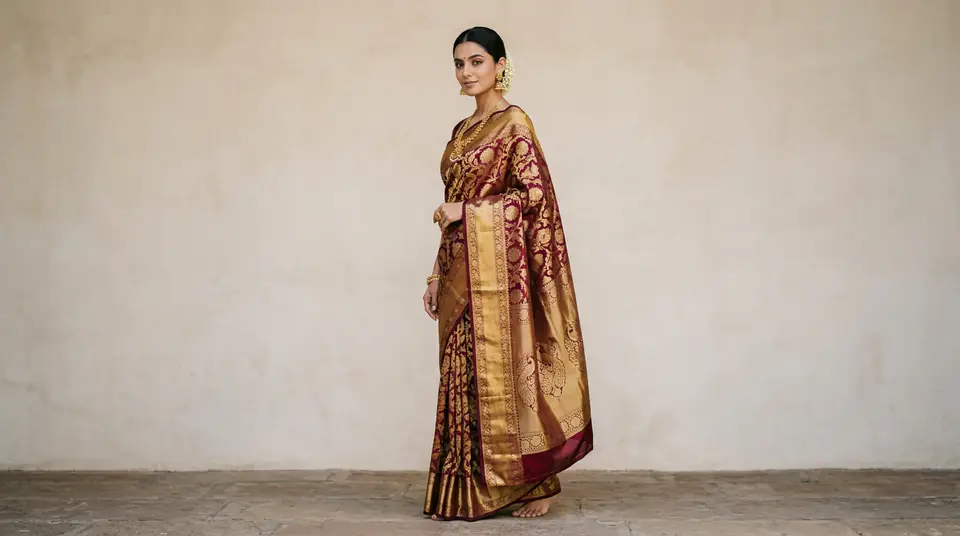
Thinking one set of photos can serve both your brand narrative and your sales pages is a costly fantasy, especially in the cut-throat Indian e-commerce landscape. Your lookbook photography might be beautiful, telling a story of heritage and luxury. But when those same artistic, often dimly lit, wide-angle shots are slapped onto a Myntra, Ajio, or even your own DTC product page, they actively deter purchases. Why? Because premium buyers want clarity, detail, and confidence before committing their hard-earned rupees. They need to see the intricate zari work, the fabric drape, the exact hue under neutral light, and multiple angles. They need `fashion listing photos` that answer every question without a salesperson. Consider this: A premium saree brand from Varanasi, selling through its DTC site and Myntra, was using its editorial-style lookbook shots for product listings. After realizing customers were spending less than 15 seconds on product pages, and conversion rates hovered at a dismal 0.8%, they revamped their approach. By separating lookbook vs listing photos, their conversion rate jumped to 2.1% within three months, adding a staggering ₹1.8 Lakh in monthly revenue from their existing traffic. This isn't an anomaly; it's the norm. Your beautifully conceptualized lookbook photography might win hearts for your brand, but without dedicated, conversion-optimized `fashion listing photos`, those hearts won't open their wallets. The cost isn't just lost sales; it's wasted ad spend driving traffic to pages that don't convert, higher return rates due to inaccurate visual representation, and a damaged brand reputation for luxury that feels 'off' online.
Decoding the Difference: Why Your Lookbook Photography is Failing Your Listings
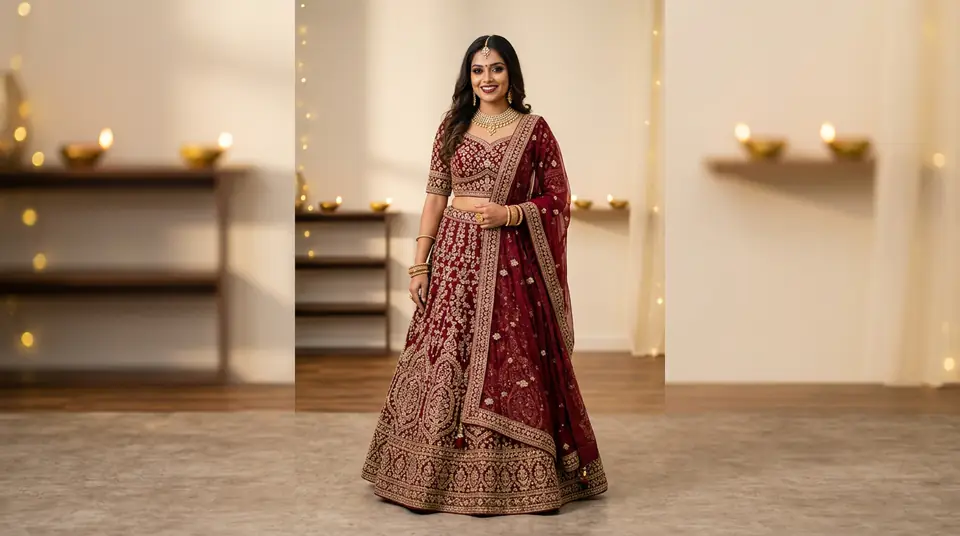
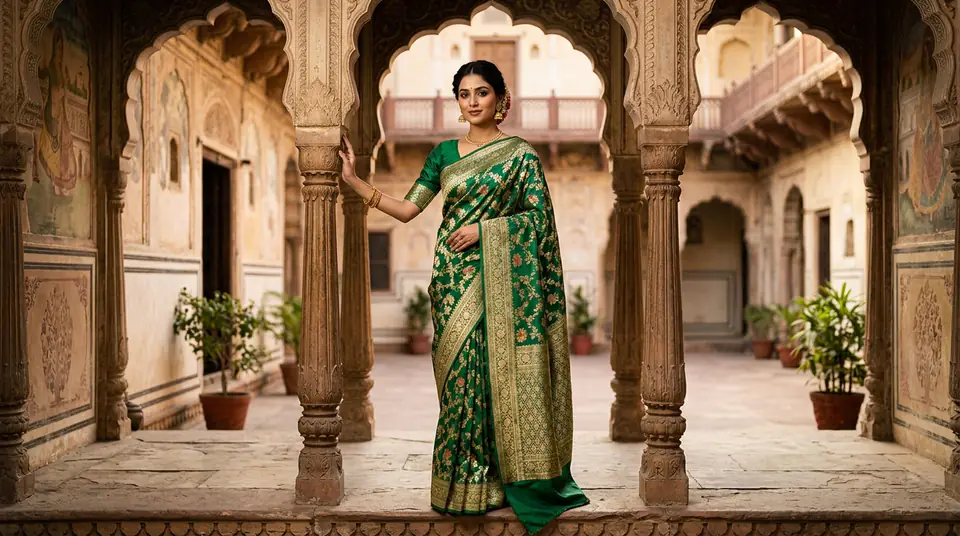
To stop the bleeding, you must first understand the distinct psychological and functional roles of `lookbook photography` and `fashion listing photos`. Think of your lookbook as a movie trailer – it creates mood, generates excitement, and tells a story. It showcases the aspiration, the lifestyle, often featuring models in elaborate poses, dynamic settings, and artistic lighting. The garment is part of a larger narrative, not the sole focus. It inspires. Your product `listing photos`, however, are the detailed blueprint of the actual product. They are the objective, factual, no-nonsense presentation required for a purchase decision. Here, the garment itself is the absolute hero. Think crisp, consistent lighting, multiple angles (front, back, side, detail zoom), often on a ghost mannequin or a simple model against a clean, uncluttered background. The goal is ultimate clarity: fabric texture, stitch quality, fit, color accuracy, and all vital details. Myntra and Ajio don't just recommend these for aesthetic reasons; they are conversion catalysts. A customer buying a ₹7,000 kurta set wants to see if the delicate embroidery extends to the back, how the dupatta drapes, and the actual shade of 'emerald green' without artistic filters. Your `lookbook photography` is a dream; your `fashion listing photos` are a trust signal.
Generate your own AI fashion photoshoot with Drapify — 50 free credits, no card required.
The Outdated Model: Why Traditional Photography is Holding Your Premium Brand Back
The dilemma for premium Indian fashion brands has always been this: how do you afford both? Traditional `lookbook photography` shoots are already a significant investment, often demanding ₹50,000 to ₹1.5 Lakh for models, stylists, photographers, studio rentals, and post-production for a single collection. Adding another comprehensive shoot specifically for `fashion listing photos` seems financially prohibitive, right? This is precisely why so many brands compromise, falling into the 'one-size-fits-all' trap. They rationalize that their 'beautiful' lookbook shots are 'good enough' for listings. But 'good enough' is how you lose out to competitors who understand that every pixel on a product page is a sales opportunity. The time commitment alone for traditional shoots—booking, coordinating, waiting for edits—can delay your collection launches, making you miss critical seasonal sales during Diwali, Eid, or Karwa Chauth. This outdated, expensive, and slow model forces you to choose between brand aspiration and actual sales conversion. And that's a choice no premium brand should have to make.
DrapifyApp: Your Strategic Weapon for Dominant Fashion Listing Photos
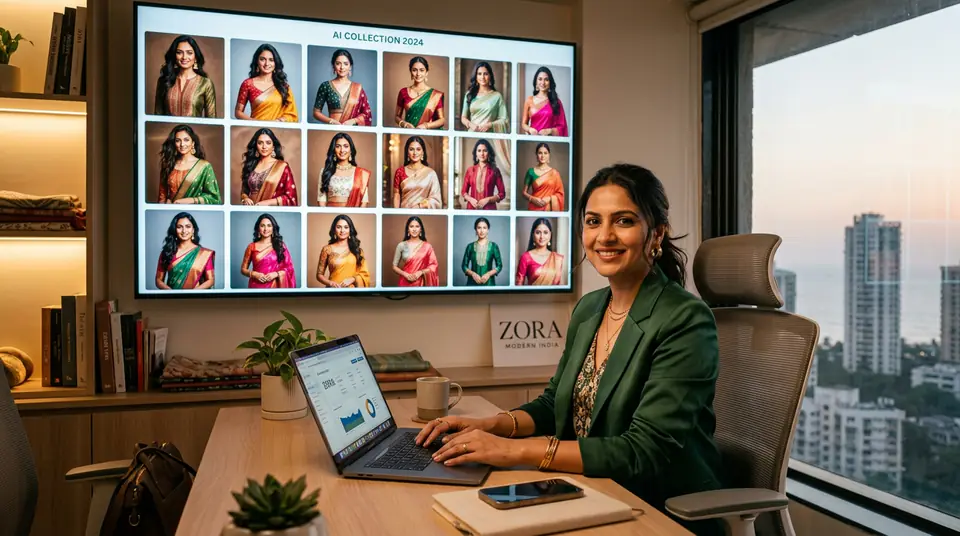
The game has changed. You no longer have to compromise. DrapifyApp is the revolutionary AI fashion photography platform that gives your premium brand the strategic edge to produce both breathtaking `lookbook photography` and hyper-converting `fashion listing photos` without breaking the bank or losing precious time. Imagine: You've created your stunning, editorial lookbook. Now, for your listings, you need those crisp, consistent, multi-angle shots that drive sales. With DrapifyApp, you get AI fashion photoshoots in seconds. No models, no studios, no logistics, just upload your garment photos and watch our AI transform them into professional-grade `fashion listing photos` that showcase every detail perfectly. Our platform ensures consistent lighting, clean backgrounds, and precise rendering – all critical elements for high-converting product pages on Myntra, Ajio, Flipkart, and Amazon India. DrapifyApp makes high-volume, high-quality catalogue creation affordable, starting at just ₹499 for 450 credits. This translates to roughly 15 credits per photo at 1K resolution and 25 credits at 2K, meaning you can generate dozens, even hundreds, of flawless listing images for a fraction of traditional costs. DrapifyApp also supports an incredible range of garments: kurti sets, sarees, shirts, western wear, kids wear, footwear, and even intricate jewelry. Need a specific background to complement your premium aesthetic? Our integrated design studio lets you customize and perfect every detail, ensuring your brand's luxury appeal shines through even in a transactional context. Stop letting the traditional photography bottleneck stifle your brand's growth and profitability.
Action Plan TODAY: Implementing Your Dual-Powered Photography Strategy
The market waits for no one, especially not premium brands stuck in outdated cycles. Here’s how you can immediately leverage DrapifyApp to implement a dual-powered photography strategy and reclaim your lost conversions: First, conduct an urgent audit of all your current product listings across all platforms. Identify where you're using `lookbook photography` when `fashion listing photos` are needed. Second, for every new collection, define clear, separate style guides. Your `lookbook photography` guide should focus on mood and storytelling. Your `fashion listing photos` guide should prioritize clarity, consistency, and detail for optimal conversion. Third, use DrapifyApp as your primary tool for generating all your `fashion listing photos`. This frees up your budget and time to invest in truly exceptional, story-driven `lookbook photography` when required, or to allocate resources to other high-impact marketing initiatives. The urgency cannot be overstated. Your competitors are either already making this shift or will be soon. Don't be the premium brand left behind, clinging to an aesthetic ideal while your sales figures stagnate. The opportunity to dominate the premium Indian fashion e-commerce space is now, and it starts with your images.
Don't Let Your Art Kill Your Sales: The Future of Premium Indian Fashion is Here
Your art, your vision, your premium Indian fashion brand – it all deserves to succeed. But confusing aspiration with transaction is a fatal flaw in today's digital marketplace. Your exquisite `lookbook photography` fuels dreams, but your detailed, precise `fashion listing photos` close sales. During peak seasons like Diwali, Eid, or Raksha Bandhan, when competition is fierce and consumer spending is at its highest, having a flawless visual catalogue is non-negotiable. The days of making excuses for inadequate product imagery are over. DrapifyApp provides the definitive, affordable, and instant solution to bridge the gap between your brand's aspirational messaging and its crucial transactional touchpoints. Stop bleeding conversions. Start converting every click into a customer. The power to transform your online presence and unlock explosive growth for your premium brand is literally at your fingertips.