Why Your 'Good Enough' Photos Are Secretly Costing You Lakhs
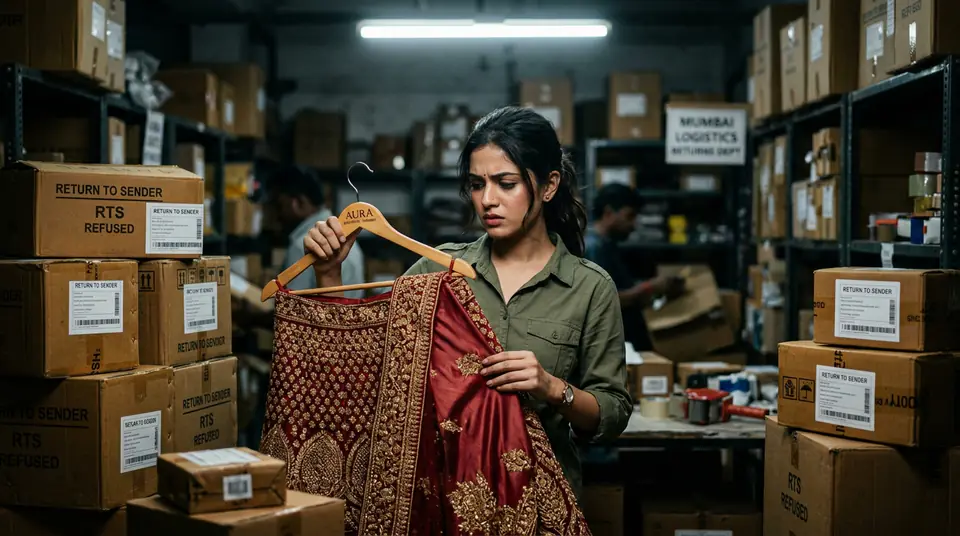
Let’s be honest. That ‘Return to Origin’ (RTO) notification is the single most demoralizing part of running a fashion brand in India. One minute you’re celebrating a sale on your Shopify store or a spike on Amazon India; the next, your profit is on a one-way trip back to your warehouse. If your fashion return rate is hovering around 25-30%, you are not just losing sales. You are actively burning cash. Think about the real cost. For every returned kurti or saree, you’re paying for reverse shipping, quality control checks for damage, steaming, repacking, and re-listing. That's a dead cost of ₹200-₹300 per return, easily. For every 100 orders, 30 returns could mean a ₹9,000 hole in your revenue. Monthly, that’s a salary. Annually, that’s an expansion plan, gone. This isn't a 'cost of doing business'. It's a symptom of a deeper problem, a problem your competitors in Surat and Noida are already solving. The harsh truth is that while you blame the customer for being 'fussy', your product photos are the ones setting them up for disappointment.
Your Photos Are Lying About Colour, Fit, and Fabric
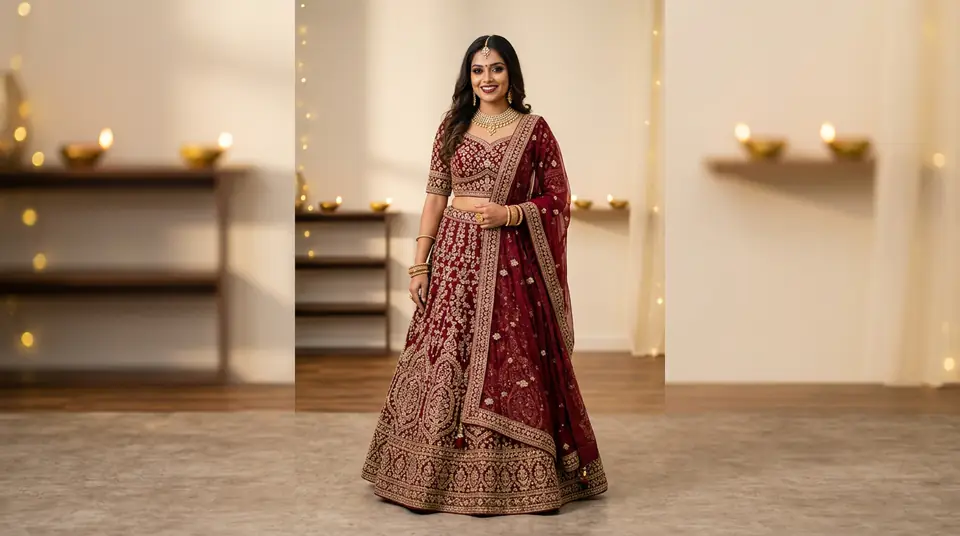
The single biggest driver of a high fashion return rate is a mismatch between expectation and reality. And your product photos are creating that gap. That stunning maroon Anarkali suit looks bright red on a customer's phone because your studio lighting was too harsh. That 'slim fit' shirt looks baggy because the model was pinned from the back. That georgette dress looks like stiff cotton in a flat-lay photo that fails to capture its flow and texture. Every time a customer receives a product and thinks, 'This isn't what it looked like online,' you lose more than just that one sale. You lose their trust. They won't just return the item; they will hesitate to ever buy from your brand again. They'll leave a 'color is different' review that scares away hundreds of other potential buyers. On hyper-competitive marketplaces like Myntra, Ajio, and Meesho, where trust is everything, your inaccurate photos aren’t just a mistake—they are a liability. You’re effectively telling the customer, 'What you see is not what you'll get,' and then acting surprised when they believe you.
Case Study: How a 32% Return Rate Almost Shut Down a Jaipur Brand
Consider the story of Anjali, a small kurti seller from Jaipur. Her hand-block prints were exquisite, but her business was bleeding cash. Her fashion return rate was a staggering 32%. For every 100 kurtis sold at an average price of ₹1,200, 32 came back. Her net cost per return, including reverse logistics and restocking labour, was ₹250. That’s a pure loss of ₹8,000 for every 100 sales, vaporizing nearly all her margin. The culprit? Inconsistent and misleading photography. A budget photoshoot resulted in images where a soft, breathable cotton looked stiff and a deep indigo looked like a washed-out blue. Customers felt deceived and returned the items en masse. She was trapped in a cycle of disappointing customers and losing money, a story all too familiar for brands relying on outdated, expensive, and inconsistent photography methods. Her premium products were being sabotaged by poor presentation.
Generate your own AI fashion photoshoot with Drapify — 50 free credits, no card required.
The Unfair Advantage: How AI Photography Creates 'Honest' Images That Sell
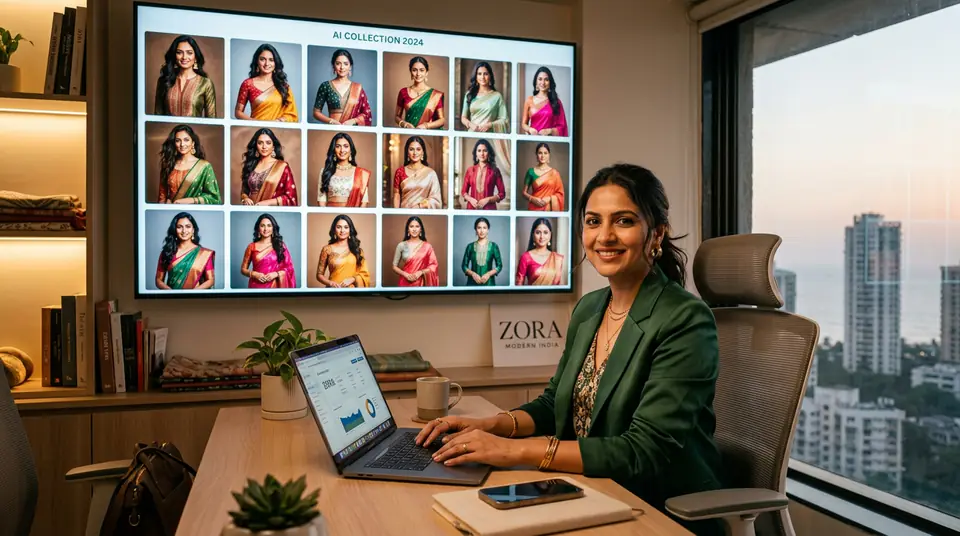
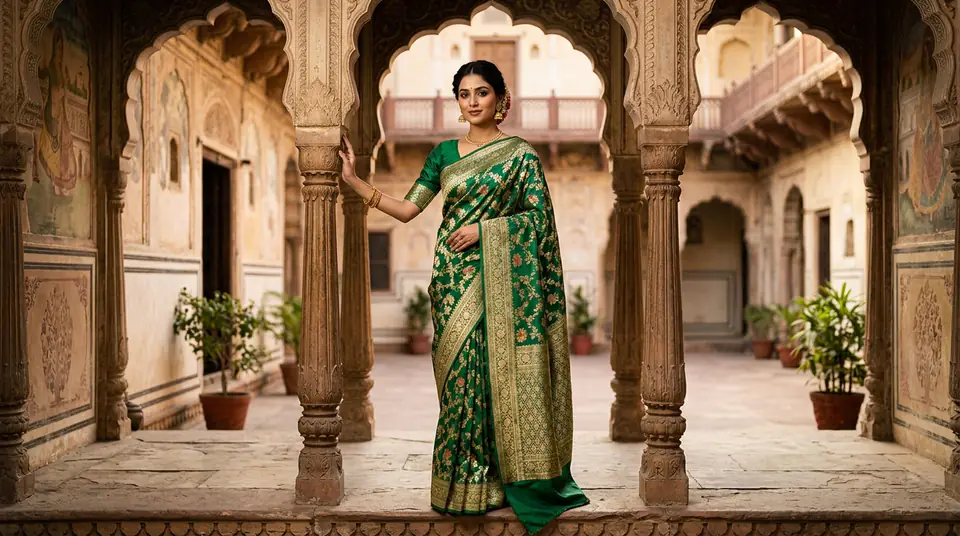
Now, imagine a world where every image on your website is perfectly colour-accurate. Where the drape of every fabric is shown realistically. Where customers can see how a dress fits on different body types, not just one professional model. This isn't a fantasy; it's what AI-powered photography delivers. Platforms like DrapifyApp are giving savvy Indian brands an almost unfair advantage by eliminating the guesswork. By uploading a single flat-lay image of your garment, you can generate hundreds of hyper-realistic model photos in minutes. The AI ensures that the lighting is perfect and consistent across your entire catalogue, so a 'maroon' is always maroon. It renders textures with incredible detail, so customers can see the weave of the cotton or the sheen of the silk. This is the secret to crushing a high fashion return rate: you close the gap between expectation and reality. You build immediate trust, and trust is the ultimate conversion tool.
From 30% to 15% Returns: Your Action Plan with DrapifyApp
You can radically cut your return rate before the next big festival season, whether it's Diwali, Eid, or Raksha Bandhan. Here is a simple, 3-step plan you can execute this afternoon. Step 1: Identify your top 5 products with the highest return rates. Check your Shopify or Amazon seller dashboard. Step 2: Take a clean, simple photo of one of those products on a flat surface with your phone. No fancy studio needed. Step 3: Sign up for DrapifyApp and upload that image. Our AI will work its magic, and within minutes, you can generate 10-15 stunningly accurate model images. Choose different AI models to show inclusive sizing. Use our design studio to place the product against a clean, marketplace-compliant background. The entire process takes less than 20 minutes. With our starter plan of just ₹499 for 450 credits, generating a full set of high-accuracy images for a product can cost less than a single return shipment. Replace your old, misleading photos with these new AI-generated ones and watch the return notifications dwindle.
It's Not Just About Reducing Returns; It's About Exploding Growth
Slashing your fashion return rate is just the first, most immediate benefit. The real magic happens next. When customers receive exactly what they expected, they don't just keep the product—they become fans. They leave glowing 5-star reviews talking about the quality and accuracy. This positive social proof skyrockets your conversion rates. Your Add-to-Cart numbers climb. Your repeat customer rate improves because you've established yourself as a trustworthy brand. On platforms like Flipkart and Myntra, the algorithm rewards products with low return rates and high positive reviews, giving you better visibility and a compounding advantage over competitors who are still stuck in the shoot-return-repeat cycle. Using DrapifyApp isn't just a defensive move to stop losing money; it’s an aggressive offensive strategy to build a stronger, more profitable, and more beloved brand in the chaotic Indian ecommerce market.