The Promise of Vanya Wear, Trapped in Bad Light
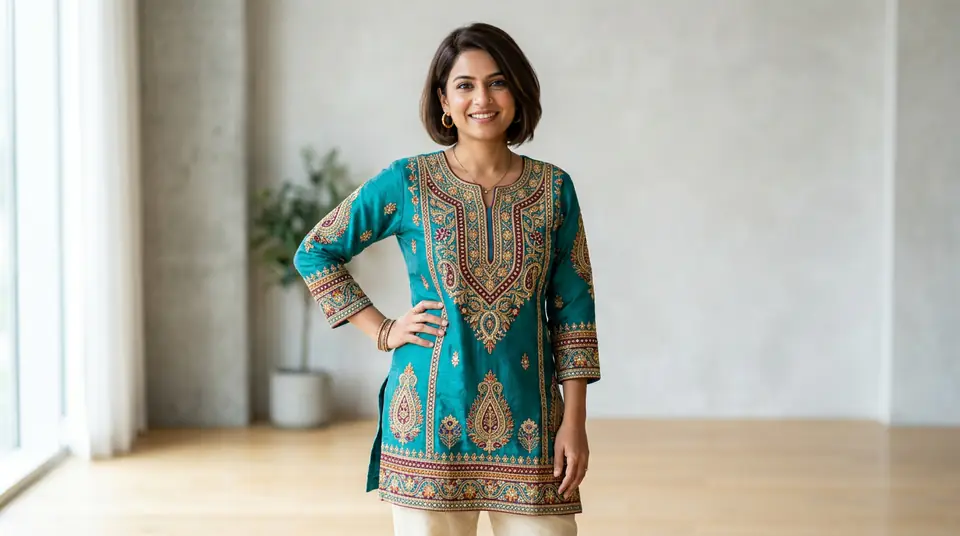
Priya had poured her heart into Vanya Wear. Each kurti, hand-embroidered by artisans in and around Jaipur, told a story. The fabrics were rich, the designs unique, a true labour of love. Her vision was clear: bring authentic, high-quality Indian ethnic wear to a wider audience through her Shopify store. She’d handled everything, from sourcing the fabrics to setting up the payment gateways. And then, the photos.
Starting out, money was tight. She'd relied on a local photographer, a friend of a friend, who shot the garments in a small, poorly lit studio, often on models who looked like they’d rather be anywhere else. Sometimes, she’d even tried shooting them herself on her phone, draped over a mannequin or a friend, under the harsh afternoon sun on her terrace. The backgrounds were inconsistent. The lighting was flat. And the models? They were never the same, giving her catalogue a disjointed, almost amateur feel. She knew it wasn’t ideal, but she told herself the quality of the kurtis would speak for itself.
It didn't. Not really.
The ₹3 Lakh Diwali Burn
The breaking point came during Diwali. It’s the peak season for ethnic wear in India, the time when a brand like Vanya Wear should shine. Priya invested heavily, ₹3 lakh just for that month, pushing her best designs across Instagram, Facebook, and Google Shopping ads. She envisioned her kurtis flying off the digital shelves, customers happily adding them to cart for festive celebrations. Instead, her Shopify analytics dashboard was a daily punch to the gut.
Her conversion rate hovered miserably at 0.8%. For every 1000 people who clicked on her beautifully targeted ads and landed on a product page, fewer than 8 actually bought something. She was spending upwards of ₹2,000 to acquire a single customer, sometimes more, on kurtis that retailed for an average of ₹2,500. The math was brutal. She was barely breaking even, often losing money, on what should have been her most profitable period. The excitement of Diwali turned into a bitter dread. That's when she knew. Something had to give.
Chasing the Wrong Ghost
For weeks, Priya blamed everything else. 'Is it my ad copy? Are my Facebook audiences wrong? Is my retargeting not aggressive enough?' She tweaked headlines, changed call-to-actions, tested different offers. She even tried throwing in small, inexpensive jewellery pieces as freebies to sweeten the deal. Nada. The conversion needle barely budged. She felt like she was trapped in a room with a buzzing mosquito, constantly swatting, but never quite locating the source of the irritation.
“I kept optimizing my ad targeting, adjusting bids, A/B testing copy. But it felt like I was putting a fancy new engine into a car with flat tires. The core problem wasn't reaching people; it was convincing them to buy once they arrived.”
She looked at her competitors, not just the big players like Myntra and Ajio, but other independent Shopify stores doing well in her niche. Their photos were crisp. Professional. The models looked engaged, the clothes perfectly styled. Her kurtis, though superior in quality, simply didn't look superior online. They looked... forgettable. And that's when the truth hit her like a Jaipur hailstorm in monsoon. It wasn’t the ads. It was the photos.
Generate your own AI fashion photoshoot with Drapify — 50 free credits, no card required.
The Pivot: Investing in the "Look"
The problem was obvious: professional fashion photography in Jaipur was expensive. A proper studio shoot could easily run ₹40,000-₹50,000 for a day, excluding models and stylists. To reshoot her entire catalogue of 200+ kurtis? That was a several-lakh investment she didn’t have, not after the Diwali debacle. She needed a solution that was cost-effective, fast, and delivered consistent, high-quality results. That’s when a friend in a WhatsApp group mentioned DrapifyApp.
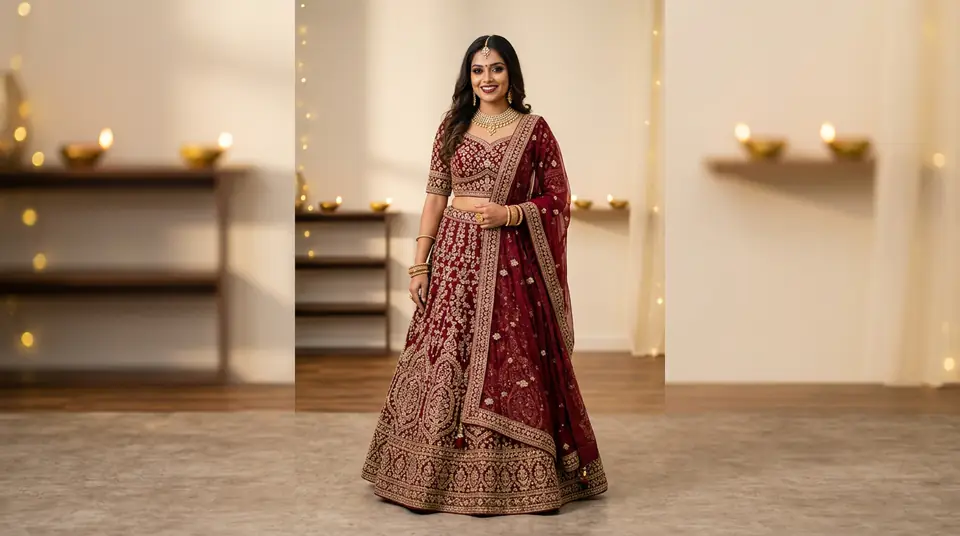
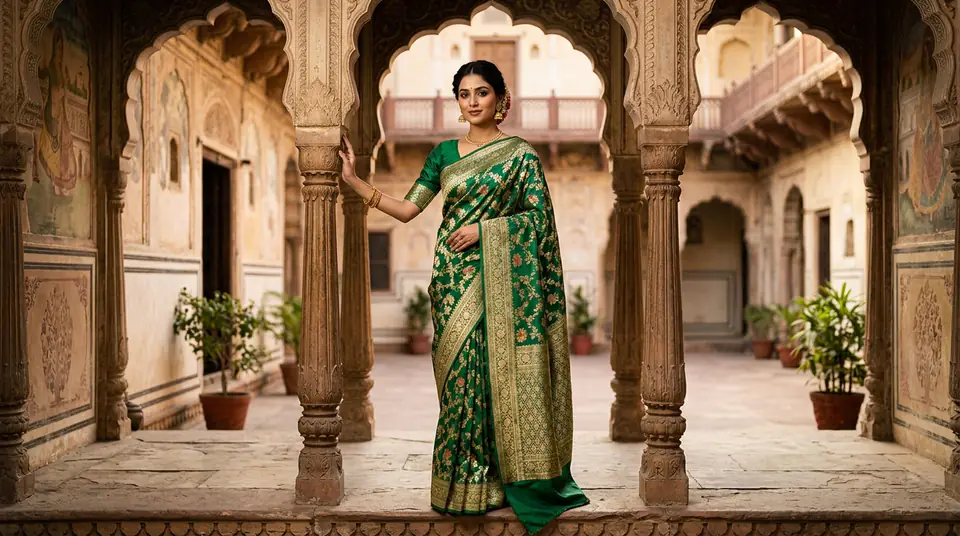
Intrigued, Priya explored. DrapifyApp promised AI fashion photoshoots from a single garment photo, in just a few minutes, at a fraction of the traditional cost. She uploaded a simple flat-lay photo of one of her best-selling kurtis. Three minutes later, she had half a dozen variations on a consistent, identity-locked AI model, posed dynamically, against different backgrounds. The quality was stunning. It wasn't just good for the price; it was good, period. Around ₹15 per photo, even for high-res 4K output. And they even had a free 50-credit trial.
She started with her top 50 best-sellers and the 20 new designs for the upcoming wedding season. Instead of needing to shoot 8 colours of a single kurti on a physical model, she could generate all colour variants from one base image. That alone was a huge saving. She ensured her existing customer testimonials were prominent, and then, with renewed confidence, she pushed the new, polished product photos live. The ad spend remained the same: ₹3 lakh a month. The targeting, largely unchanged. She wanted to isolate the variable: the photos.
The Numbers Don't Lie: Vanya Wear's Comeback
The change was almost immediate. Within the first week, her Shopify conversion rate started climbing. Slowly at first, then picking up pace as she rolled out more of the new DrapifyApp-generated photos. Customers lingered longer on product pages. The 'Add to Cart' rate went up. And, crucially, sales soared. Her cost per acquisition plummeted. Suddenly, ₹3 lakh in ad spend wasn't a drain; it was a powerful engine.
0.8%
Old Conversion Rate
2.5%
New Conversion Rate
₹3,00,000
Monthly Ad Spend (Constant)
₹6,00,000+
New Monthly Profit (Approx.)
Her profitability exploded. With the same ₹3 lakh ad budget, Vanya Wear was now generating well over ₹10 lakh in revenue, bringing in around ₹6 lakh in net profit after product costs and marketing. It wasn't magic. It was simply giving her product the visual presentation it deserved, at a price point that made sense for her growing business. DrapifyApp didn't just give her better photos; it gave her back her peace of mind and, more importantly, her bottom line.
What Priya Would Tell You Today
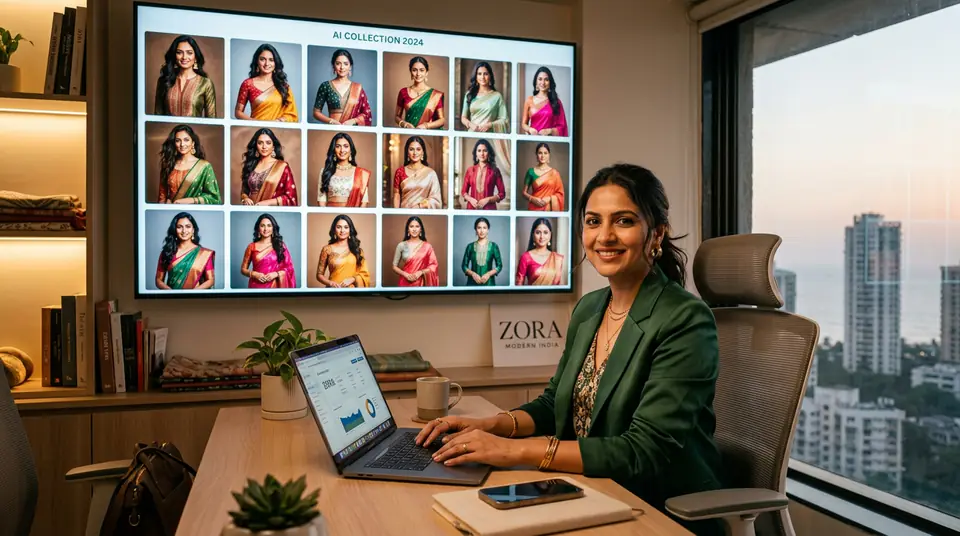
Sitting in her now-bustling office, a definite air of relief and success around her, Priya offers some blunt advice to other Shopify fashion store owners.
“Stop chasing ad platform hacks if your core product presentation is weak. It’s like putting lipstick on a pig, honestly,” she says, leaning forward. “I burned so much money, lakhs, trying to force sales with bad photos. My conversion rate was silently bleeding me dry. The quality of your fashion product photos isn’t just an aesthetic choice; it’s a direct lever on your conversion rate. It's the silent salesman on your product page. If your photos look cheap, your product looks cheap. Period.”
She pauses, a knowing look in her eyes. “My best advice? Invest in high-quality, consistent product imagery first. Everything else, the ads, the discounts, it all becomes infinitely more effective. If I’d done this sooner, if I’d just addressed the visuals that first impression, I’d have saved myself so much headache, and probably several lakhs too.”