"A ₹50,000 photoshoot guarantees premium quality and better sales."
Look, I get it. You invest a lot in your designs, your fabric, your artisans. It just feels right to spend big on photography to match that quality, doesn't it? The logic goes: high cost equals high quality, which must translate to premium brand perception and, ultimately, more sales. You've probably seen those glossy shoots on Instagram, thought, 'That's the benchmark,' and budgeted accordingly. In 2021, when options were limited, this was often the only path to a polished look.
But here's the reality: 'premium quality' is a subjective beast in e-commerce. A technically perfect photo with poor styling or a model who doesn't resonate with your audience is just an expensive photo that doesn't convert. I’ve seen countless brands blow ₹75,000+ on a day-long studio shoot only to end up with 30-40 images where half the poses look stiff, the background is bland, or the model’s expression doesn't fit the vibe. That's ₹2,500 per photo, minimum, for content that barely moves the needle. A high price tag doesn’t buy you a sales funnel; it buys you a photoshoot.
Just last year, a client selling ethnic wear in Bengaluru spent ₹1.2 lakh on a 'luxury' shoot. Their website conversion rate actually dropped by 0.3% because the models were styled for a Western audience, completely missing their target. You can burn serious cash fast believing this myth.
"DIY photoshoots save money and are 'good enough' for marketplaces and social media."
Ah, the smartphone camera. It's powerful, I'll give you that. And for a brand just starting out, or a small boutique selling on WhatsApp, doing it yourself feels like the smart, scrappy move. You save on photographer fees, studio rentals, models, stylists. You think, 'It's just a quick snap for Instagram Stories, no big deal.' Or, 'Meesho doesn't need high-end stuff; my phone will do.'
The brutal truth? DIY photos almost always cost you more in lost sales and returns than they ever save. Even with good lighting, phone cameras struggle with consistent colour, sharp detail for product zoom, and the professional polish needed to build trust. Your catalogue ends up looking inconsistent, amateurish, and frankly, a bit cheap. Customers on Myntra or Amazon India scroll past blurry, badly lit photos in a heartbeat. They don't just see a product; they see a brand's commitment to quality – or lack thereof. And when product colours or textures don't match the listing, return rates skyrocket. I’ve seen Meesho sellers with predominantly DIY photos report 25-30% higher return rates compared to peers using professional imagery because the product perception was way off.
Your time isn't free either. How many hours do you spend trying to get that 'perfect' shot, only to reshoot it later? That's time you could be spending on design, marketing, or operations. It's a false economy.
Generate your own AI fashion photoshoot with Drapify — 50 free credits, no card required.
"Photoshoots are a one-time expense; I only need to shoot my new collection."
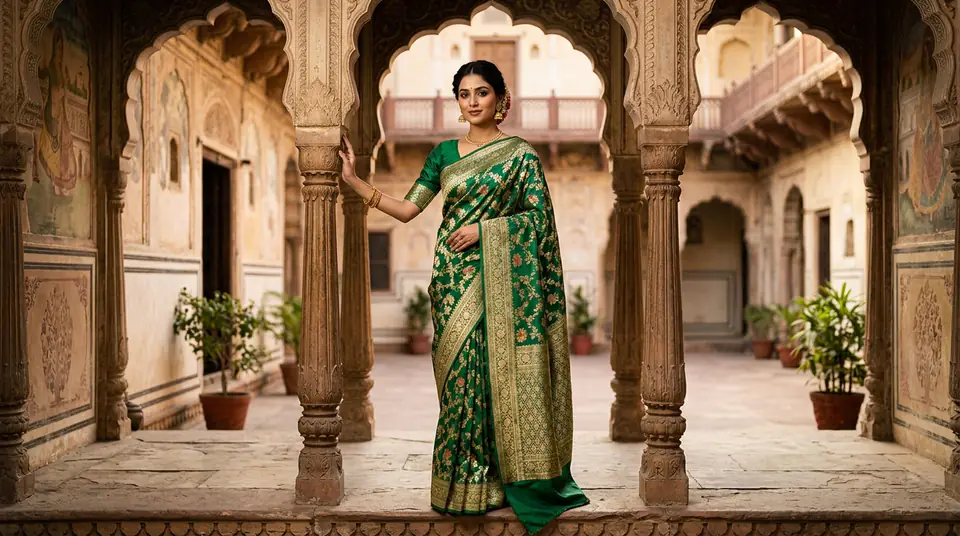
This one's a classic. You launch a new collection of sarees for Diwali, book a shoot, get your images, and you're done for the season, right? You think of photography as a project, not a continuous process. You believe once the main product images are up, you're good until the next big launch.
Wrong. That mindset is costing you opportunities and leaving money on the table. The market moves fast. What about lifestyle shots for Instagram Reels that feature a new trending location? Or ad creatives that need a different pose or model for A/B testing? How do you create compelling marketing material for that specific colour variant that's suddenly selling like hotcakes? Brands that treat photography as a one-off hit-it-and-forget-it deal struggle to adapt. Competitors with fresh, relevant visual content will steal your customers. Constantly refreshing your ad creatives can drop your CPM by 20-30% on platforms like Facebook and Instagram. But you can't refresh creatives if you don't have new photo assets. You'll hit creative fatigue and your ads stop performing.
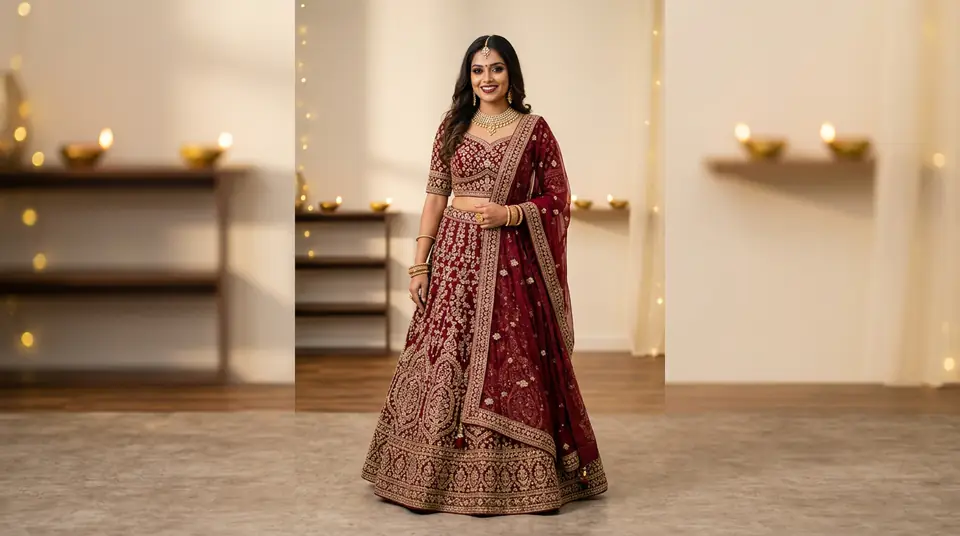
Also, imagine you get a request for a new colour variant of your best-selling lehenga. Are you going to re-book a ₹40,000 studio shoot for one new SKU? Most don't, and they lose sales. This is where tools like DrapifyApp shine: you can get new colour variants of existing designs shot in minutes for ~₹15 a photo, without moving the garment from your warehouse. It's a game-changer for continuous content needs.
"Only a physical fashion photoshoot provides truly realistic and authentic images."
It’s ingrained in us, isn't it? The tactile nature of clothing, the way light hits fabric, the movement of a model. You believe that to capture true authenticity and realism for your kurtis or menswear, you must have a physical garment on a real set with a real photographer. Anything else feels… fake, or less genuine. You want customers to feel like they can touch the fabric through the screen, and you think only traditional methods can achieve that.
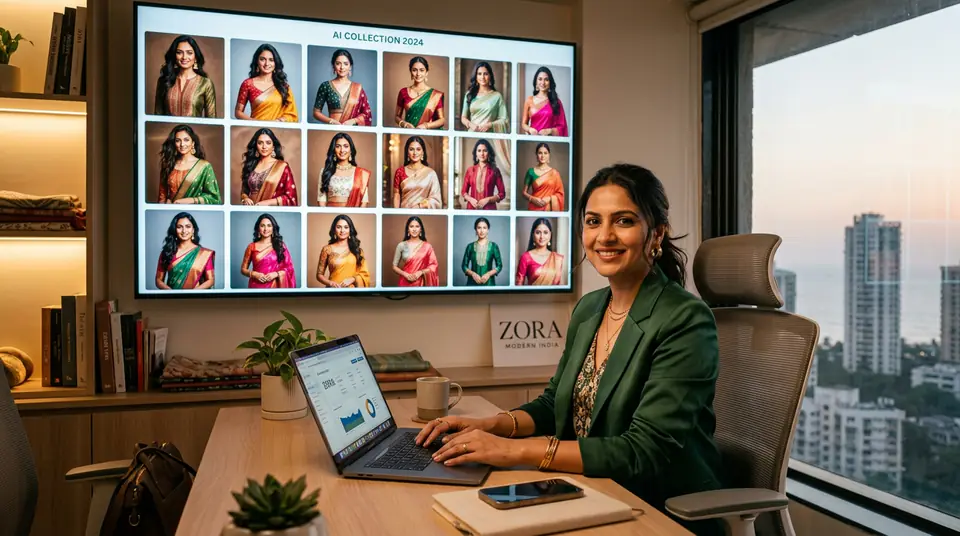
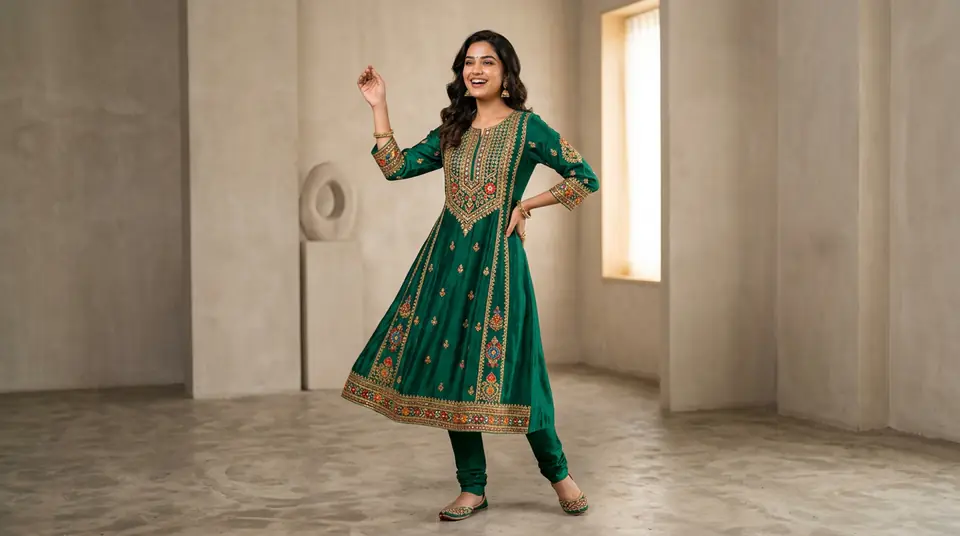
Here’s where technology has completely flipped the script. AI fashion photography has advanced light years in the last 18 months. We're not talking about flat, lifeless photos. We're talking about hyper-realistic models, perfect lighting, diverse backdrops, and garments that drape and move naturally. For a fraction of the cost and time, you can get catalogue-ready images that are indistinguishable from real photoshoots to the average customer. And sometimes, they’re even better because you control every variable. The fabric textures, shadows, and contours are incredibly accurate. We’ve had brands shift their entire catalogue production to AI models and see no change in return rates due to 'unrealistic' photos. In fact, DrapifyApp's identity-locked models ensure consistent look and feel across your entire product line, something a real-world shoot struggles with across different sessions.
"Using a photoshoot cost calculator is overly complicated and not worth the effort."
I’ve heard this one plenty. 'Just get a quote from a photographer,' you say. 'It’s easier than trying to break down every single expense.' You look at the spreadsheet-like thinking that goes into a proper photoshoot cost calculator – models, MUA, stylist, location, equipment, retoucher, travel, food, assistant fees, garment prep, contingency – and your eyes glaze over. It feels like unnecessary homework when you just want pretty pictures for your brand.
But avoiding this 'complication' is exactly how you bleed money. Not understanding the true per-photo cost, including all those hidden line items, means you can't accurately budget, can't compare alternatives, and certainly can't measure your return on investment. The 'flat fee' a photographer quotes rarely includes all the revisions, extra shots, or urgent delivery fees. Your ₹40,000 quote can easily balloon to ₹60,000. When you don't calculate, you just pay. A proper photoshoot cost calculator forces you to see the real, all-inclusive price per final image. For instance, a '₹40,000 for 50 images' shoot isn't ₹800 a photo once you add MUA, stylist, studio rental, travel, and food. It's often closer to ₹1,500-₹2,000 per photo, making a ₹15 AI alternative look like a no-brainer.
You can't optimize what you don't measure. If you're running a D2C brand in India, every rupee counts. Know your numbers, or watch your margins shrink.