01.Outcome: Realistic AI Photos, Fast & Cheap
You'll transform your product catalogue this week. The outcome? High-quality, authentic-looking fashion photography that converts, without the ₹50,000 studio bill. Expect to have your first hundred realistic AI photos ready for review in 3-5 working days, assuming you follow these steps. This isn't theoretical; it's a playbook for immediate execution.
02.Step 1: Dissect the 'Fake' Fallacy
"AI photos look fake." I've heard it a hundred times, usually from brand owners stuck paying ₹80,000 for a single day's shoot in Mumbai or Delhi, then waiting two weeks for delivery. Let's be blunt: if your AI photos look fake, you're doing it wrong, or you're using outdated tools. The "fake" problem isn't inherent to AI; it's a symptom of bad execution or misguided expectations. Frankly, many traditional photoshoots produce equally 'fake' results – bad lighting, amateur models, inconsistent styling. You simply internalise those costs because it's 'how it's always been done.' We're past that now.
03.Step 2: Define Your Brand's Visual Language
Before you generate a single image, you need a clear vision. Don't just generate; design. Consistency builds trust. Your brand isn't just about the fabric; it's about the feeling your photos evoke. A clear visual language makes your product instantly recognisable, whether it's on Myntra, Ajio, or your own Shopify store. Take the time here. It's boring, yes, but it pays dividends.
Generate your own AI fashion photoshoot with Drapify — 50 free credits, no card required.
04.Step 3: Master the Garment's Source Photo
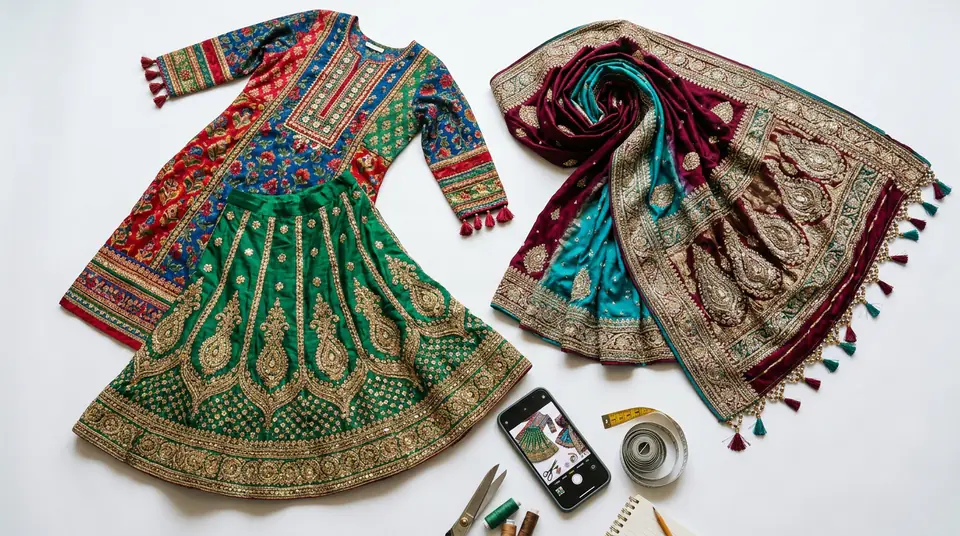
This is non-negotiable. The single, clean photograph of your garment is the blueprint for the AI. If your blueprint is flawed, the structure will be too. You don't need a professional studio for this; a decent phone camera, good natural light, and a clean background are enough. Think of this as the foundation. Skimp here, and you're building on sand.
05.Step 4: Generate and Refine Your Realistic AI Fashion Photos
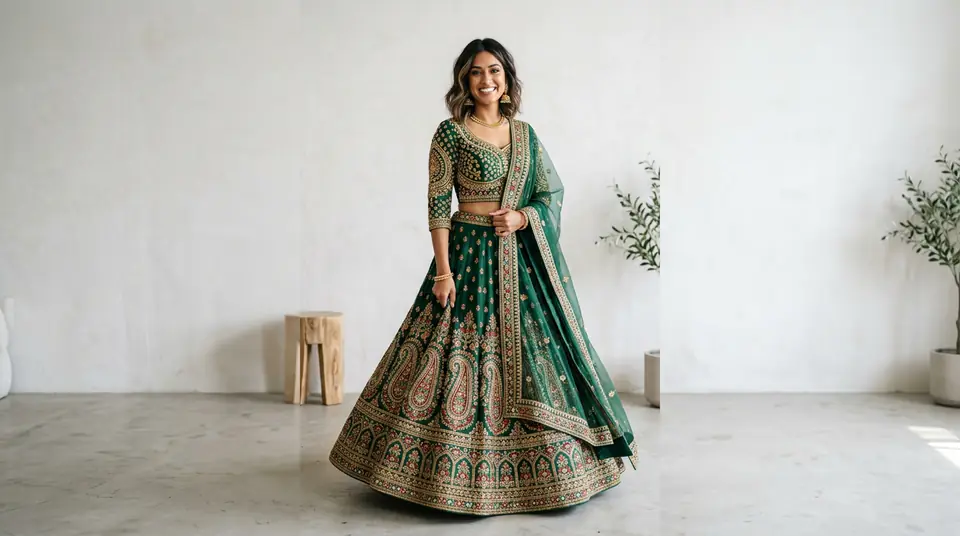
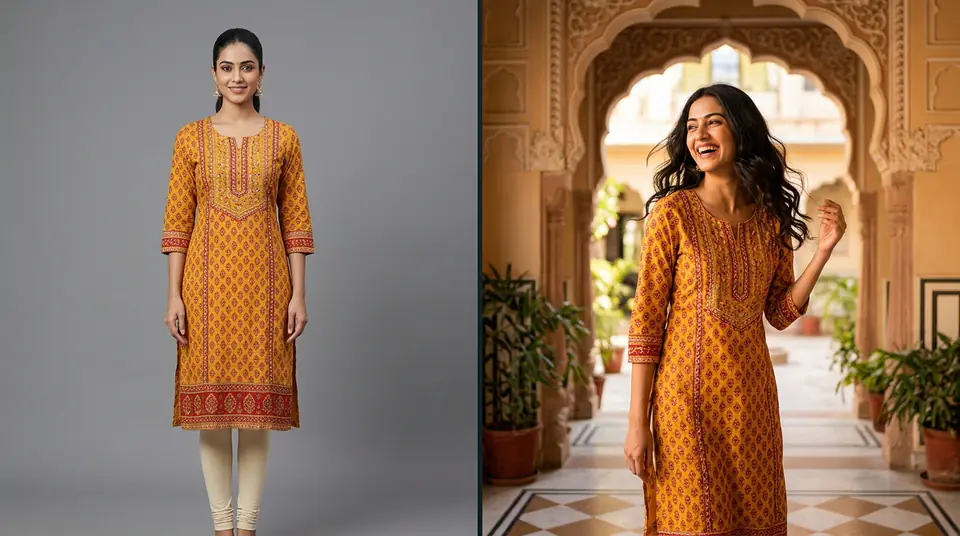
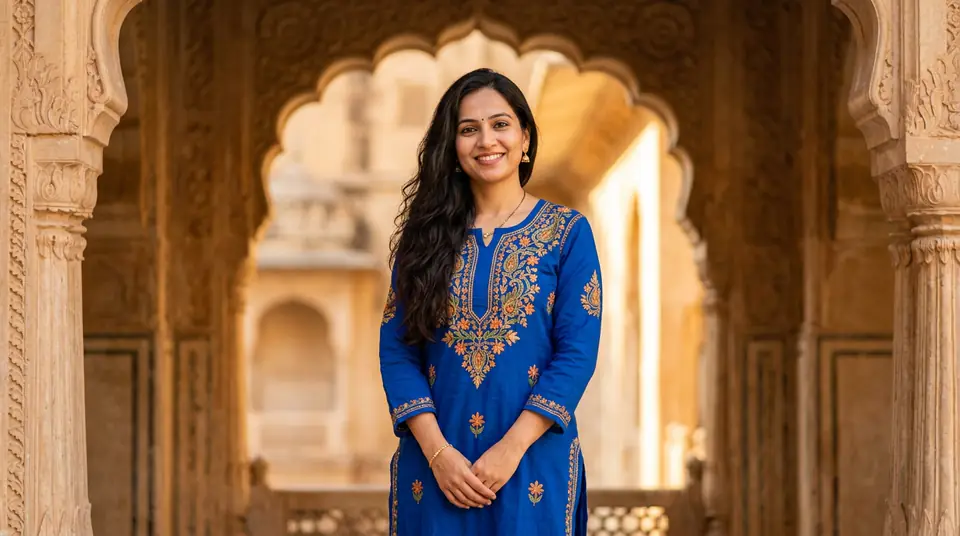
Now, the actual generation. This is where platforms like DrapifyApp become indispensable for translating your garment into compelling realistic AI photos. It's not a 'one-click and done' button; it's an iterative process, but a rapid one. You upload your clean garment photo, describe the scene you want – the model's ethnicity, expression, pose, the background, the lighting. Be precise. DrapifyApp generates high-resolution options (1K, 2K, 4K) in about three minutes, costing you roughly ₹13-15 per photo. Compare that to the ₹1,500-₹5,000 per photo from a Delhi studio. The key differentiator? Identity-locked models. You find a model you like, and she stays the same across all your poses and collections. Hello, consistency. If a shot doesn't meet your standard, credits are auto-refunded. No risk.
06.Step 5: A/B Test for Real-World Validation
Don't guess. Measure. Your gut feeling about 'fake' photos doesn't pay the bills; conversion rates do. Set up simple A/B tests on your platforms. It's the only way to get unbiased, quantitative feedback. Test AI-generated photos against your old studio shots, or even against new traditional shots. The numbers don't lie. This is how you confidently adopt new tech; you prove it works, or you tweak it until it does.
07.Step 6: Scale Your Catalogue Smartly
Once your A/B tests confirm that realistic AI photos work for your brand – and they will – it's time to scale. This is where the true power of AI photography shines. Imagine launching a new collection of 50 kurtis for Eid, all with consistent models, diverse poses, and perfect lighting, in a fraction of the time and cost. No more cancelled shoots due to Bangalore rains, no more model date clashes, no more waiting weeks for retouched images from an agency.