The Situation: Jaipur's Looming Deadline and Rangoli's Fading Dreams
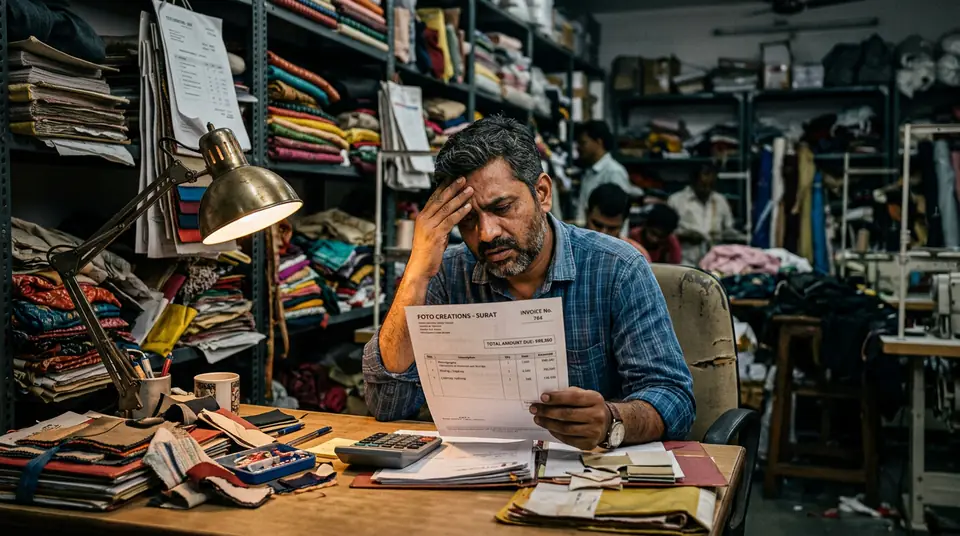
The late afternoon sun cast long shadows across Anya Sharma’s workstation in Jaipur, illuminating a pile of crumpled invoices. It was early October, less than a month to Diwali, and her latest collection of embroidered kurtis and vibrant suit sets for her brand, Rangoli Fashions, was nowhere near ready for listing on Myntra or Amazon India. Her phone, buzzing constantly with vendor calls, felt like a lead weight. Another shoot, another disaster. Anya, a seasoned designer who’d built Rangoli from scratch over five years, knew this feeling intimately. This wasn't just a bad day; it was the story of her business, repeated with soul-crushing regularity. Every season brought the same headache: getting quality product photos that marketplaces would approve, on time and within budget.
She'd built a loyal customer base in Jaipur and online, known for her distinctive block prints and comfortable fabrics. But online, where visuals are everything, Rangoli was struggling to translate its offline charm. The products were good, the prices competitive, but the presentation? A constant bottleneck. She’d spend upwards of ₹45,000 to ₹60,000 for a single day's shoot – models, makeup artists, photographers, studio rental. And then the waiting game began.
The Breaking Point: A Monsoon of Rejections
The monsoon collection had been the breaking point. She’d invested nearly ₹1.5 lakh into a photoshoot for 30 new SKUs – a mix of vibrant kurtis and lightweight tunics. The photographer, recommended by a friend, promised a quick turnaround. Three weeks later, the photos arrived. A mix of overly bright, washed-out images, inconsistent model poses, and backgrounds that shifted from white to a strange beige. Myntra's quality control, predictably, flagged 40% of the listings for image issues: 'Inconsistent lighting,' 'Model expression not suitable,' 'Background not pure white.' It was a punch to the gut. That’s nearly ₹60,000 down the drain, not counting the lost sales from delayed listings and inventory sitting idle. The opportunity cost was immense, measured not just in rupees, but in stress and sleepless nights.
“I remember staring at the rejection emails, feeling utterly defeated,” Anya recounted. “We had beautiful garments, carefully crafted, and they were being held back by mediocre photos. It wasn't fair. It just wasn't.”
A Cycle of False Starts and Wasted Rupees
Anya wasn't one to give up easily. She'd tried everything. First, hiring cheaper, less experienced photographers from her local network. Big mistake. The quality dropped even further, leading to an even higher rejection rate and more photoshoot reshoot cost incurred. Then, she considered an in-house setup, buying lights and a camera. The learning curve was steep, the results amateurish. Her brother, a graphic designer, tried to edit the bad photos into something acceptable, but you can’t polish a turd, as they say. The core problem remained: getting consistent, high-quality images at scale.
She even explored multiple agencies, paying hefty retainers, only to face similar issues with inconsistent model availability, delayed shoots, and exorbitant fees for every small revision. Each new attempt chipped away at her margins, her enthusiasm, and most importantly, her cash flow. Every delayed launch meant missing out on critical seasonal spikes like Eid or Raksha Bandhan, times when a new collection could make or break her quarterly targets.
““It felt like I was constantly paying a 'reshoot tax' – an unspoken penalty for not getting it perfect the first time. But how could I, when so many variables were out of my control?””
Generate your own AI fashion photoshoot with Drapify — 50 free credits, no card required.
The Switch: AI Enters Rangoli's Workflow
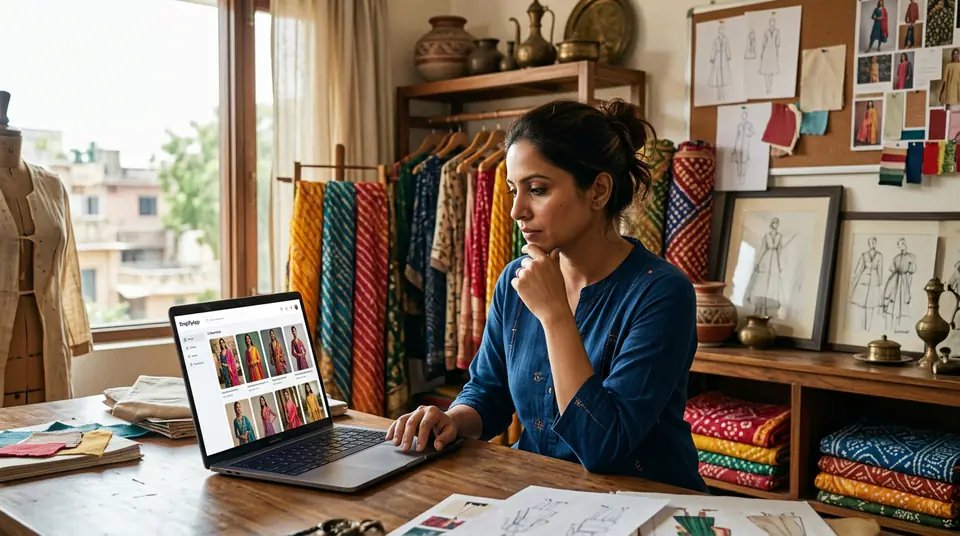
One evening, scrolling through a seller forum, Anya stumbled upon a discussion about AI fashion photography. Skeptical but desperate, she looked into DrapifyApp. The promise was bold: professional-grade fashion photos from a single garment image, in minutes, at a fraction of the cost. No models, no studio, no elaborate setup. It sounded too good to be true, given her years of frustration.
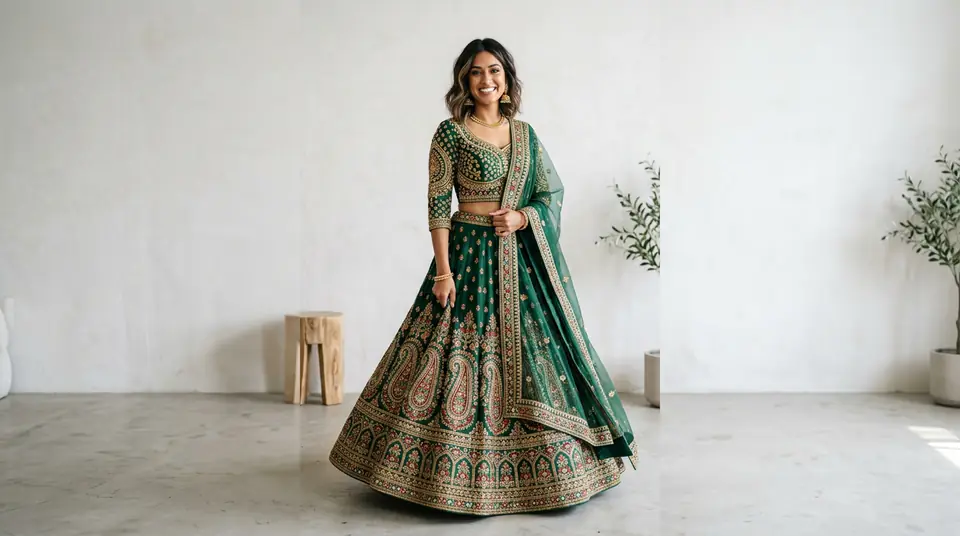
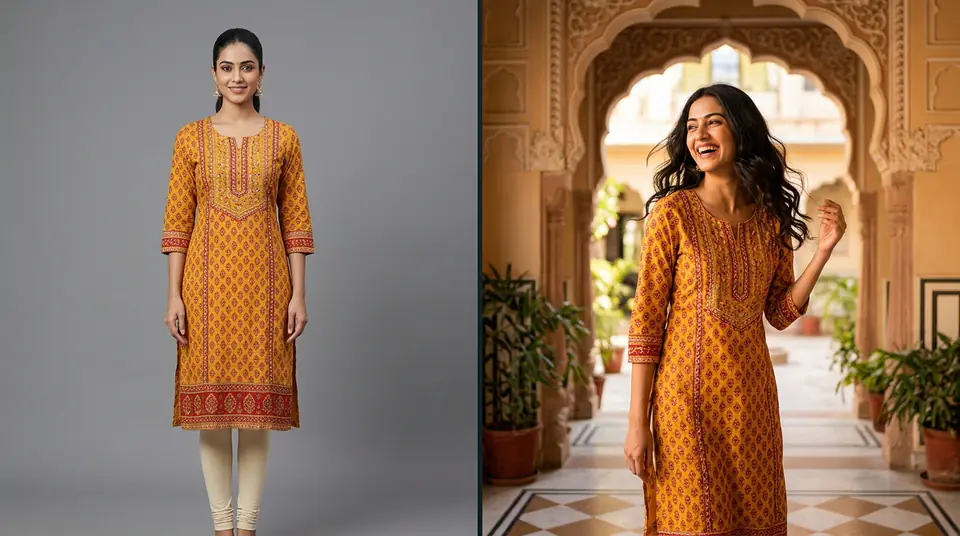
She decided to test it with a few new kurti designs. She uploaded simple flat-lay photos of the garments, picked an AI model she liked (and importantly, one she could keep consistent across all her future products – a major win for brand identity!), selected a background, and hit generate. Three minutes later, she had a set of studio-quality images. Clean, consistent lighting. The model draped the kurti perfectly. Even the details of the embroidery were crisp. It was a revelation. The cost? Around ₹15 per photo. Unbelievable.
The consistency DrapifyApp offered was what truly sealed the deal. No more worrying about a different photographer's style or a model's pose varying from shoot to shoot. She could even generate photos for different colour variants without reshooting, saving even more time and money. When a rare image wasn't quite right, DrapifyApp's auto-refund policy for failed shots meant no wasted credits. It quickly became clear: this wasn't just a cost-cutting tool; it was a way to maintain catalogue quality control without the traditional headaches.
Rangoli's Revival: Numbers Don't Lie
The change was almost immediate. Anya's next collection, planned for the wedding season, went live on Myntra and Amazon within a week of receiving her new garment samples. No delays. No rejections. The marketplace feedback was positive – high-resolution images, consistent presentation. Her products looked professional, aspirational. Customers noticed.
₹55,000
Average traditional photoshoot cost
₹3,500
Average DrapifyApp cost for same SKUs
35%
Photos requiring reshoots (Before)
5%
Photos requiring reshoots (After)
Rangoli Fashions saw a significant jump in conversion rates. Customers trusted the clear, consistent visuals. The most striking figure? Monthly sales revenue increased by 30% within three months of fully integrating DrapifyApp into her workflow. The photoshoot reshoot cost became a thing of the past. That money, once lost to retakes, was now reinvested into new designs, better fabrics, and expanded marketing efforts. Anya wasn't just saving money; she was growing her business.
Anya's Advice: Don't Pay the Reshoot Tax
Anya, now less stressed and more focused on design, has a clear message for other small brands grappling with photography issues. “Stop bleeding money on bad photoshoots. It’s a silent drain on your business. You’re not just paying for the shoot itself; you’re paying for lost time, lost sales, and the endless frustration of dealing with rejections.”
Her advice is concrete: “First, assess your current catalogue. Are there common themes in marketplace rejections? Inconsistent backgrounds? Poor lighting? Model inconsistencies? These are red flags. Second, don't be afraid to embrace technology. I was skeptical of AI, thinking it couldn't capture the 'soul' of my designs. But DrapifyApp proved me wrong. It delivers consistency and quality that even many mid-tier studios struggle with, and it does it for a fraction of the cost.”
She emphasizes the strategic advantage: “The speed at which I can launch new collections now? Unmatched. When a new trend hits, or a festival is approaching, I’m not stuck waiting weeks for a photoshoot. I can adapt, list, and sell. That agility is priceless in today’s market.”