Why Your 'Premium' Lookbook Photography is an Ecommerce Death Trap
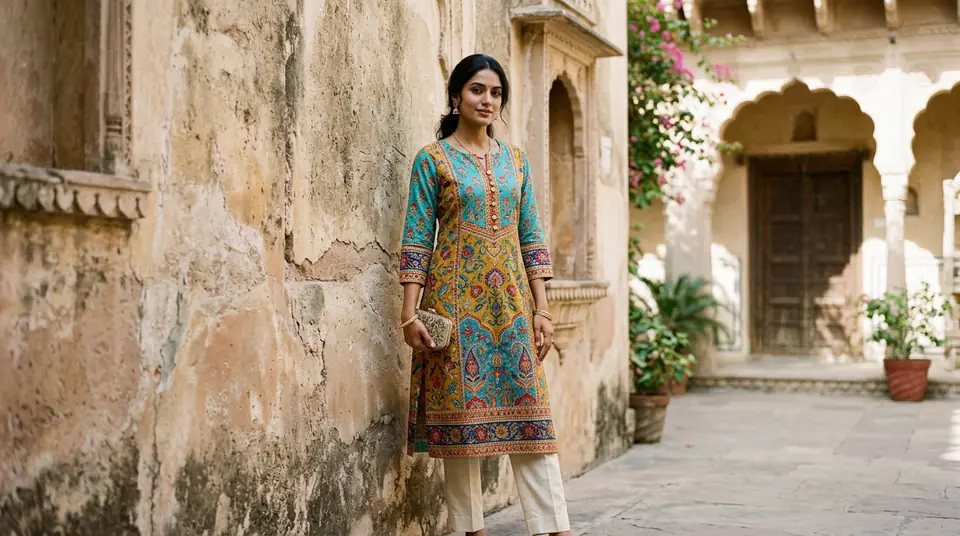
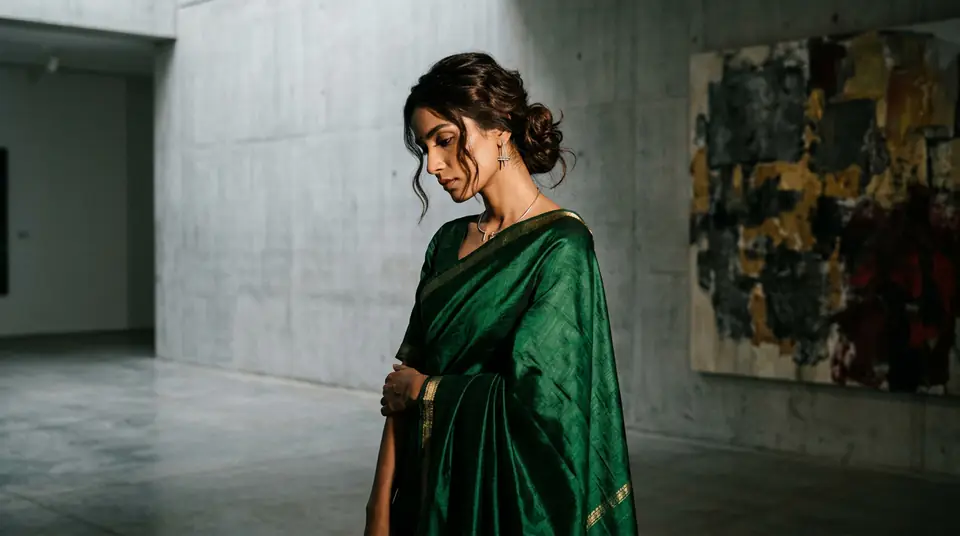
Let’s be honest. You’re proud of your brand’s aesthetic. You hired the best photographer in Mumbai, found a stunning location, and spent over ₹1.5 Lakhs on a lookbook that looks like it belongs in Vogue India. It’s art. But here’s the brutal truth you’re ignoring: that 'art' is an absolute conversion killer on Myntra, Ajio, and even your own Shopify store. Lookbook photos are designed to sell a dream. They are moody, atmospheric, and focus on brand identity. They are perfect for Instagram and PR. But ecommerce listing photos have one job and one job only: to sell the product. A customer scrolling through hundreds of kurtis on Flipkart doesn't care about your artistic vision. They care about the fabric, the fit, the exact shade of blue, and the details of the embroidery. When your dramatic, shadowy lookbook photo is placed next to a competitor's bright, clear, zoomable image on a plain white background, you lose the click. Every. Single. Time. You are essentially bringing a painting to a product spec-sheet fight. This fundamental misunderstanding between brand imagery and high-converting fashion listing photos isn't just a small mistake; it’s a strategic failure that’s actively draining your bank account while you admire your 'beautiful' catalogue.
The Anatomy of a Failed Listing: Lookbook vs. Listing Photos
Let’s break down why this is happening. A typical premium brand lookbook photo has: dramatic lighting, artistic crops (model's face cut off), lifestyle backgrounds (a busy street in Khan Market), and a focus on mood. It communicates brand value. Now, consider what a high-converting fashion listing photo needs: bright, even lighting; multiple angles (front, back, 45-degree, detail shots); a clean, non-distracting background (usually white or light grey); and a full view of the product showing its length, fit, and silhouette. The difference is stark. The lookbook photo says, 'Imagine a lifestyle.' The listing photo says, 'This is the exact kurti set you will receive, and here is the precise stitching on the cuff.' When a potential buyer is in purchase mode, they are looking for information, not inspiration. Your artistic photo creates friction. It raises questions: What does the back look like? Is that shadow part of the design? Is the color accurate? Every question is a reason for them to click away and buy from the brand that gives them clear, confident answers through their imagery. You’re not just losing a sale; you're paying a premium to confuse your own customers.
The ₹4 Lakh Rupee Mistake: A Jaipur Brand's Painful Lesson
This isn't theory. This is happening to brands across India right now. Take the case of a Jaipur-based ethnic wear brand that we'll call 'RangLeela'. They specialized in premium block-printed suit sets. Ahead of the Diwali season, they invested ₹2.5 lakhs into a magnificent lookbook shoot at a heritage haveli. The photos were breathtaking. They uploaded them to their Myntra and Shopify stores, expecting a massive sales spike. Instead, their conversion rate plummeted to a dismal 0.8%. Their ads were getting clicks, but customers were dropping off on the product page. Frustrated and bleeding money, they decided to run an experiment. They took their ten best-selling designs and used DrapifyApp to generate clean, simple, high-quality fashion listing photos on AI models against a white background. The cost? Less than ₹1,000. They swapped the haveli photos for the AI-generated images on their product pages. The results were immediate and staggering. Their conversion rate jumped from 0.8% to 3.2% within three weeks. This single change added over ₹4 lakhs in revenue that month. Their expensive lookbook wasn't an asset; it was a multi-lakh rupee liability.
The Unfair Advantage: Creating Perfect Fashion Listing Photos in Seconds
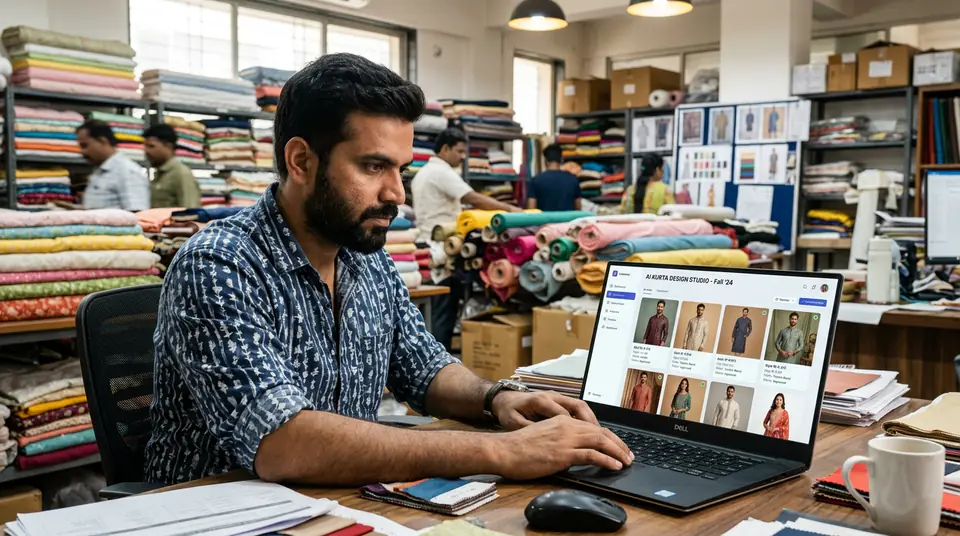
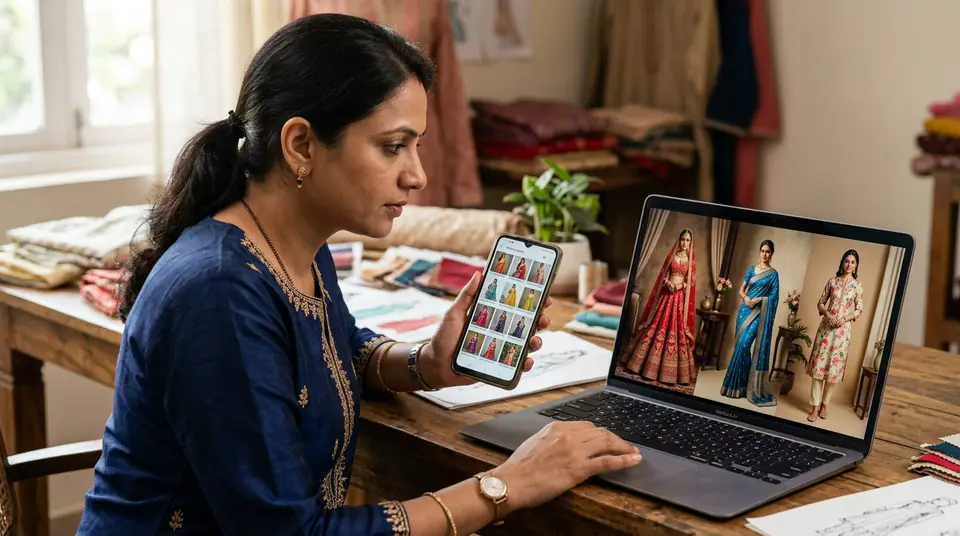
The old way meant choosing: spend lakhs on a lookbook shoot for branding, or spend lakhs on a separate, sterile studio shoot for ecommerce listings. For most growing brands, doing both is financially impossible. This is the unfair advantage your smartest competitors are already exploiting. With an AI platform like DrapifyApp, this choice is obsolete. You can now do both, better, and for a fraction of the cost. Simply take a single photo of your product on a mannequin or even a hanger. Upload it to DrapifyApp. Within seconds, you can generate an entire gallery of perfect, high-converting fashion listing photos. Choose from dozens of Indian and international AI models, place your kurti, saree, shirt, or western wear on them, and select a clean background. Need a 2K resolution image for zoom functionality? It costs about 25 credits. A standard 1K image? Just 15 credits. With plans starting at ₹499 for 450 credits, you can create a complete, marketplace-compliant catalogue for less than the cost of lunch for your shoot crew. You are no longer limited by budgets, model availability, or studio time.
Have Your Lookbook Too: The Power of the Design Studio
But what about your brand identity? Your premium aesthetic? DrapifyApp doesn’t force you into a world of just white backgrounds. This is where you can truly leapfrog the competition. After generating your core set of clean listing photos, you can use the built-in Design Studio to create custom, branded, lookbook-style images. Want to place your AI model against a backdrop of a minimalist Mumbai apartment? Or a beautiful Goa beach? You can upload your own custom backgrounds or use pre-built templates to create stunning visuals for your website banners, social media campaigns, and email newsletters. The power is that you're doing this from the same initial mannequin photo. You generate your sales-focused listing photos first, securing your conversions. Then, you generate your brand-focused lookbook photos for marketing. No reshoots. No extra costs. You get the best of both worlds: images that convert on marketplaces and images that build brand desire on social media. DrapifyApp bridges the gap, ensuring your brand looks premium without sacrificing a single sale.
Your 5-Step Action Plan to Fix Your Listings Before the Next Big Sale
Stop analyzing and start acting. The next big festival sale is weeks away. Every day you wait, you're flushing money down the drain. Here is your emergency action plan:
1. Audit Ruthlessly: Open your Myntra, Ajio, and Shopify seller panels right now. Identify your top 20 products. Do their main images show the full product clearly against a simple background? If not, they are broken. 2. Shoot Simply: Take one, well-lit photo of each of those 20 products on a mannequin or a flat lay. Don't overthink it. A decent phone camera is enough. 3. Sign Up for DrapifyApp: Create a free account. It takes 60 seconds. You get free credits to prove the concept to yourself. 4. Generate Your Winning Shots: Upload your mannequin photo. Generate 4-5 different images for one product. Use a front view, a 45-degree view, and a back view. Use a simple white or light grey background. This is your new conversion-focused gallery. 5. Replace and Measure: Go back to your seller panel and replace the old, artsy lookbook photos with your new, clean DrapifyApp images. Watch your conversion rate, add-to-carts, and sales data. The numbers will speak for themselves.