
HSN code finder for clothing and fabric
Free · No signup · Guide approved 18 November 2026 by Nirav Italiya, founder · How we check guides
What is the HSN code for kurti, saree and other clothing?
A woven kurti or kurta set usually falls under HSN 6204 (women’s dresses and suits) or 6206 (women’s tops and blouses); a knitted one under 6104 or 6106. Unstitched sarees and dress material are classified as fabric by fibre, such as 5208 for cotton or 5407 for polyester. Garments attract 5% GST up to ₹2,500 per piece and 18% above; fabrics 5%.
Woven garment
GST 5%6204
Women’s suits, ensembles, jackets, dresses, skirts and trousers (not knitted)
GST on this sale
- Taxable value ₹760.95
- GST 5% ₹38.05
Garments and footwear: 5% up to ₹2,500 per piece, 18% above. This price is within ₹2,500.
4 matching headings
- 5%
- 5%
- 5%
- 5%
Knitted or woven?
Sarees and dress material
A guide to common headings, not legal advice. The right code depends on the exact product, fibre and how it’s made; confirm with the CBIC tariff or your accountant. GST rates shown are those in force from 22 September 2025.
Labels sorted, listings next
Make your next catalogue in minutes
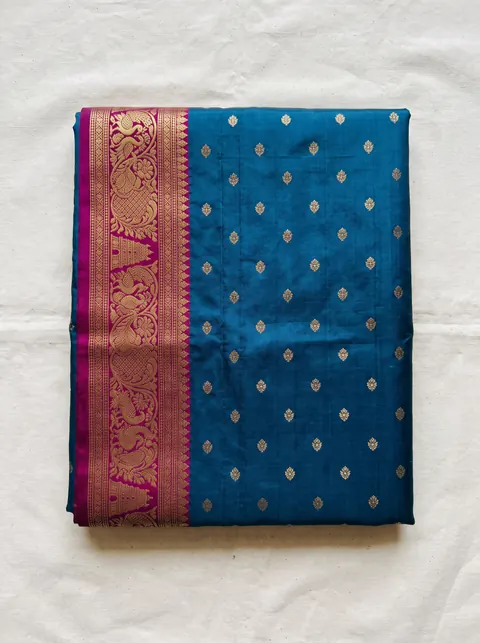
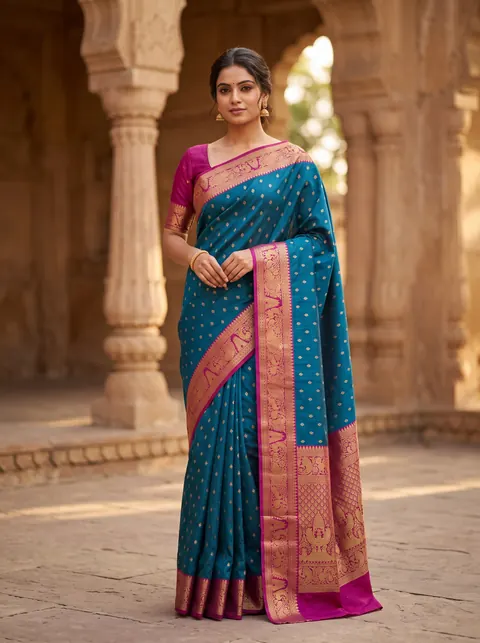
Put every new design on an AI model, in the colours you stock, without booking a shoot.
- First 2K photo free, no card
- Ready in about 3 minutes
- Full commercial rights
How to use it
- Type your product, such as kurti or saree.
- Choose woven or knitted if you know it.
- Enter your selling price to see the GST rate.
- Copy the 4 or 6-digit code for your invoice.
Who this is for
This finder is for Indian sellers of clothing, fabric and footwear who need an HSN code for a marketplace listing, a GST invoice or a GST return, and want to see which GST rate applies at their selling price. It is most useful when you add a new product type, register for GST for the first time, or take over a catalogue from a supplier whose codes you are not sure about.
It covers the headings apparel sellers use most: knitted garments in Chapter 61, woven garments in Chapter 62, the fabric headings used for sarees and unstitched suits, common home textiles and footwear. It is a starting point you then confirm, not a ruling.
How the search reads what you type
- Every word you type must appear in the code, the heading’s description or its list of everyday names. “Cotton kurti” narrows the list more than “kurti”.
- Woven headings are listed first, then knitted, fabric, home textiles and footwear, because most kurtis and suits sold in India are woven.
- The Type filter limits results to woven, knitted, fabric or footwear.
- The digits switch matters: in 4-digit mode only 4-digit headings are shown; in 6-digit mode the 6-digit subheadings appear as well.
- The first match is shown large with its GST rate. Click any row to select it, and use the copy button to copy the code.
Worked example: the GST inside your price
Enter the selling price per piece including GST. The tool takes the tax out with price × 100 ÷ (100 + rate) and shows the split.
| Price per piece | Rate shown | Taxable value | GST in the price |
|---|---|---|---|
| ₹799 | 5% | ₹760.95 | ₹38.05 |
| ₹2,499 | 5% | ₹2,380.00 | ₹119.00 |
| ₹2,999 | 18% | ₹2,541.53 | ₹457.47 |
Prices close to ₹2,500
The ₹2,500 limit is about the value of each piece. The tool compares the price you type, which includes GST, with ₹2,500. For most prices the answer is the same either way, but between roughly ₹2,625 (₹2,500 plus 5%) and ₹2,950 (₹2,500 plus 18%) it depends on how the value is worked out, including any discount on the invoice. If you sell in that band, confirm the rate with your accountant before you set the price.
The same applies to sets and packs. Whether a kurta set or a pack of three is valued as one piece or several affects the rate, and the tool cannot decide that for you.
Common products and where they usually fall
| Product | Likely heading | Why |
|---|---|---|
| Woven cotton kurti or kurta set | 6204 (620442 for a cotton dress-style kurti) or 6206 | Woven, women’s; dress-style or top-style |
| Knitted kurti, leggings, jeggings | 6104 | Knitted fabric, women’s |
| T-shirt | 6109 (610910 for cotton) | Knitted tops have their own heading |
| Woven dupatta or stole | 6214 | Woven shawls and scarves |
| Unstitched cotton suit piece | 5208 or 5209 | Fabric; split at 200 g/m² fabric weight |
| Polyester or georgette saree | 5407 | Synthetic filament fabric |
| Viscose or art silk saree | 5408 | Artificial filament fabric |
| Women’s nightwear | 6208 woven, 6108 knitted | Construction decides the chapter |
| Leather juttis | 6403 | Leather uppers |
How many HSN digits to show
Businesses with turnover up to ₹5 crore in the previous year show 4 digits on tax invoices; above that, 6 digits. Marketplace listings may ask for 8 digits, which you can get from the CBIC tariff under the 6-digit heading.
Knitted or woven decides the chapter
Chapter 61 covers knitted or crocheted garments, Chapter 62 everything else. Most cotton and rayon kurtis are woven; T-shirts, leggings and hosiery are knitted.
Common mistakes
- Choosing the code by product name alone. A knitted kurti and a woven kurti sit in different chapters.
- Classifying an unstitched saree or suit piece as a garment instead of fabric.
- Copying a competitor’s or supplier’s code without checking it fits your product’s fibre and construction.
- Keeping an old invoice template with the earlier ₹1,000 threshold and 12% rate after the September 2025 change.
- Showing 4 digits on invoices when your previous year’s turnover was above ₹5 crore and 6 are required.
What this tool can’t do
- It lists about 50 common headings, not the whole tariff, and does not give 8-digit codes. Get those from the CBIC tariff under the 6-digit heading.
- It applies one rule to everything it lists: fabrics at 5%, other items at 5% up to ₹2,500 per piece and 18% above. Check any product with special treatment.
- Classification depends on details the tool cannot see, such as exact fibre blend, fabric weight and how the item is made. It is not legal or tax advice.
How this guide was made: drafted with AI assistance from the tool’s own calculations and behaviour, then checked against our editorial policy and approved by the founder before publishing.
Official sources
Fees, tax rates and rules change. Confirm the current figures on the official page before you rely on a result:
Questions
- What is the HSN code for a kurti?
- Commonly 6204 or 6206 for a woven kurti and 6104 or 6106 for a knitted one. A cotton dress-style kurti is often 620442. Check the exact description against the tariff.
- What is the HSN code for a saree?
- Sarees are usually classified as woven fabric by fibre: 5007 for silk, 5208 for cotton and 5407 for polyester or georgette.
- What GST applies to clothing?
- From 22 September 2025, garments and footwear are 5% up to ₹2,500 per piece and 18% above. Fabrics are 5%.
- Is this list official?
- No. It is a guide to common headings. Confirm with the CBIC tariff or your accountant.
- What is the HSN code for t-shirts?
- Knitted cotton t-shirts are in heading 6109 (6109 10 for cotton). Confirm the 8-digit code for your fabric with your accountant.
- What is the HSN code for leggings?
- Knitted leggings usually fall under heading 6104 for women; the exact code depends on fabric. Search the finder for the options.
- How many digits of HSN do I need on invoices?
- It depends on turnover: smaller businesses quote 4 digits and larger ones 6 on B2B invoices under current GST rules. Check the latest notification.