Replace your₹50,000 photoshootwith AI campaigns.
Drapify Studio shoots full editorial collections — cover photos, combo frames and every look — in one unified campaign. Or start with single-garment photoshoots from 10 credits, ready for Amazon, Shopify, Myntra in ~3 minutes.
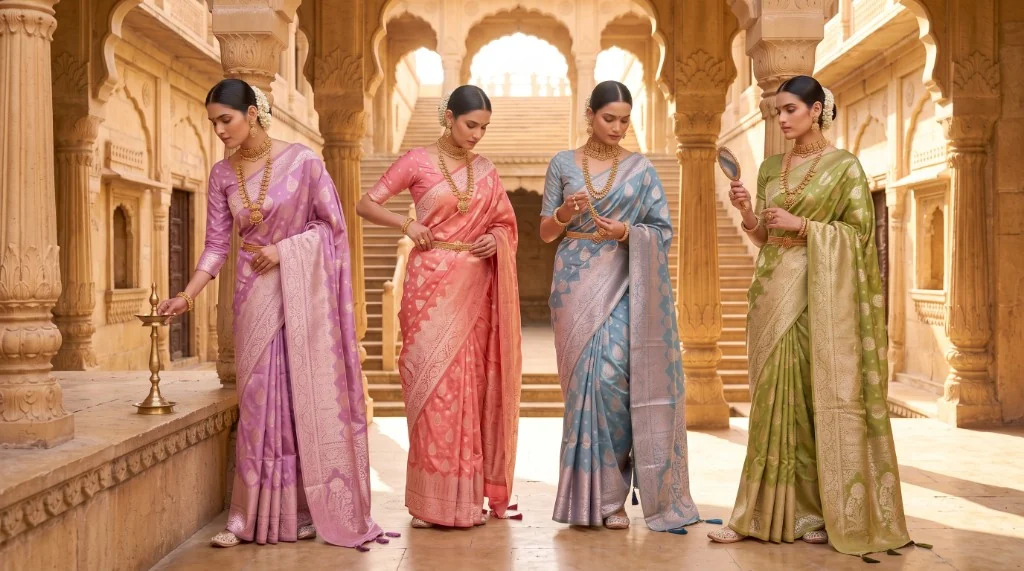 Drapify StudioFull collection cover
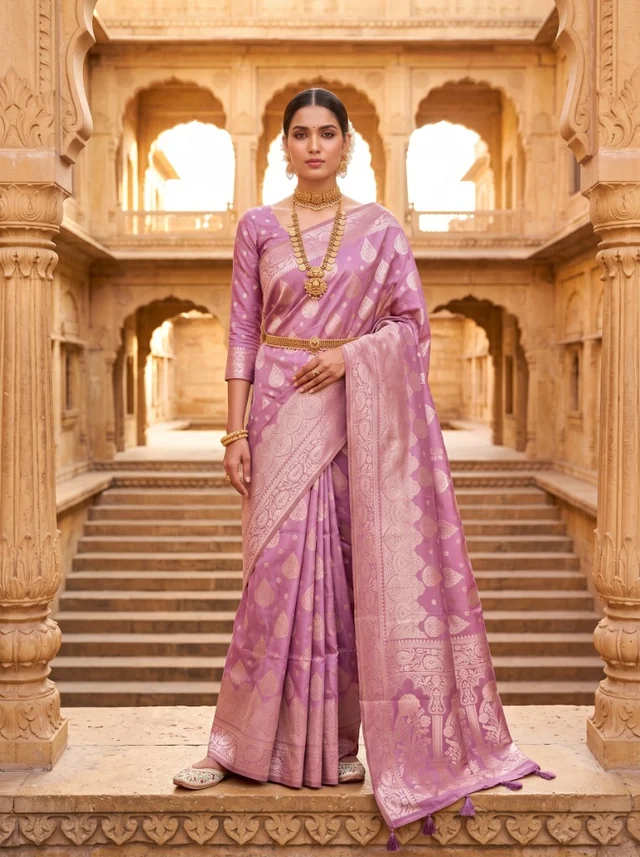 Look 1
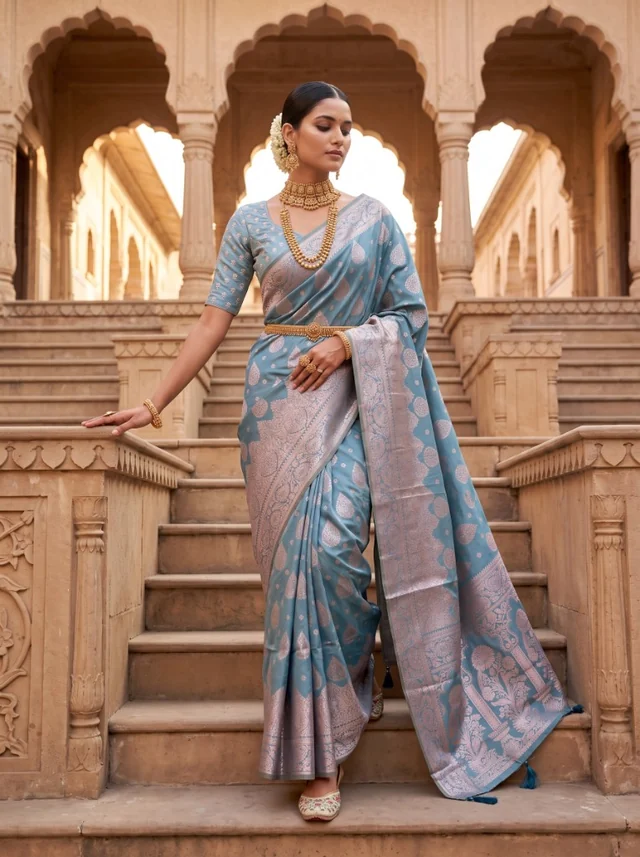 Look 2
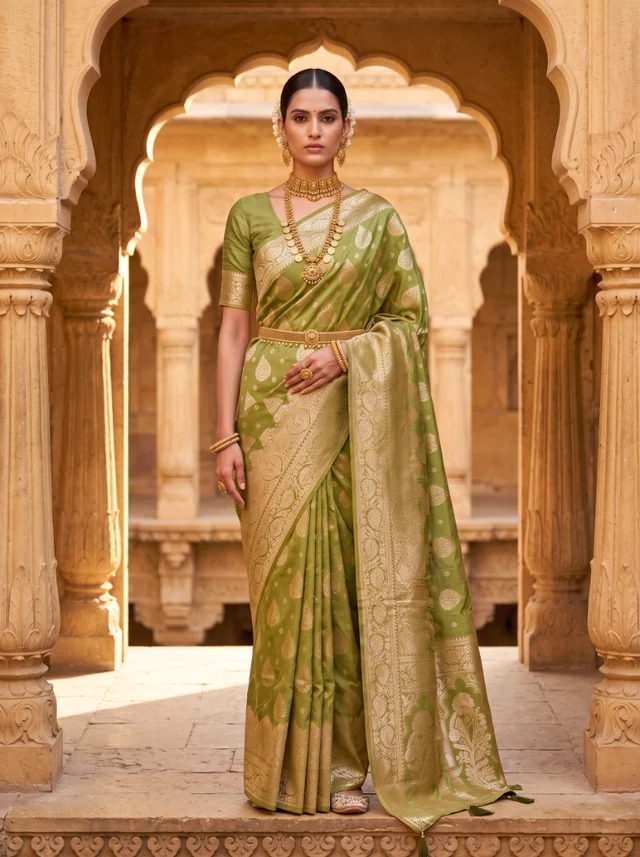 Look 3Look 1Look 2Look 3
Real AI outputs · no retouching · one unified campaign
Brands trust Drapify
AI photos shipped
First photoshoot
vs studio cost
One upload. An entire editorial campaign.
Drapify Studio is what brands switch to when a single hero shot isn't enough — multi-look covers, combo frames, and per-look models in one luxury photoshoot.
Drapify StudioFull collection coverLook 1Look 2Look 3Look 1Look 2Look 3Real AI outputs · no retouching · one unified campaign
AI creative director
Upload your collection — AI plans art direction, model casting, styling and every shot before a single pixel renders.
Multi-look covers & combos
Full collection covers and combo frames that stitch multiple looks into one luxury editorial hero.
Per-look control
Different model, pose and aspect ratio per look — still one unified campaign aesthetic.
Jewelry & product listings
Dedicated marketplace-ready pipelines for A+ jewelry and product galleries, not just apparel.
New accounts get 50 free credits for single-garment shoots. Add credits anytime to unlock Drapify Studio campaigns.
Cover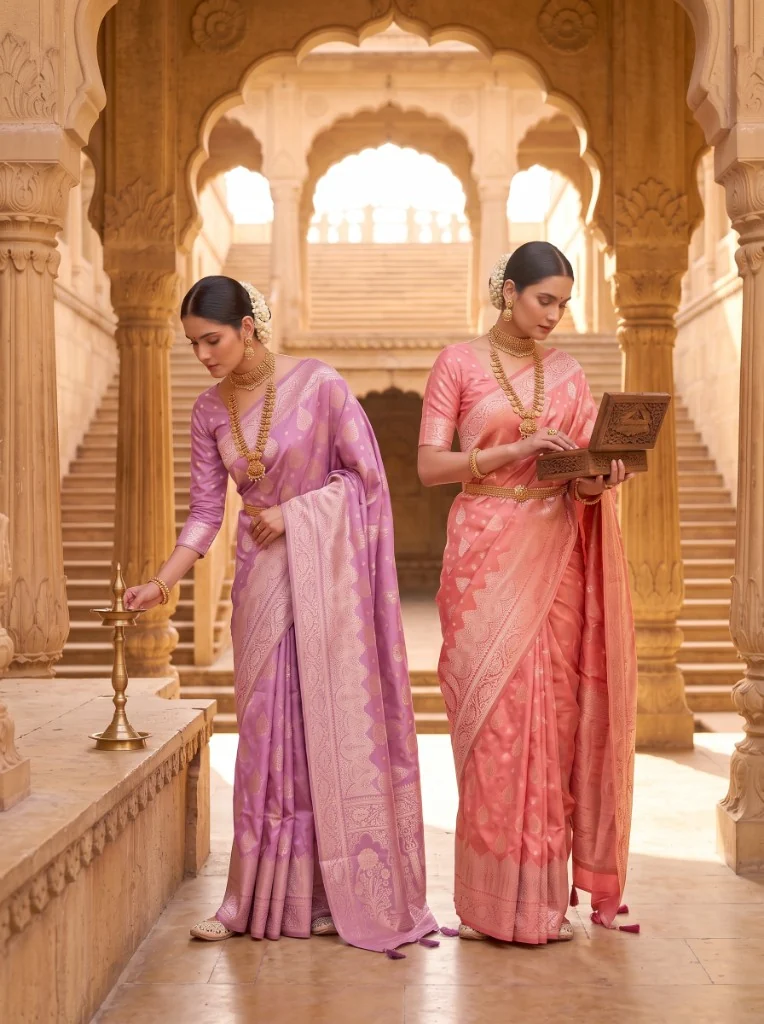 ComboLook 1Look 2Look 3
One upload.
Up to 12 editorial shots.
Drop a fabric, flat-lay or garment. Drapify locks identity across every pose — the fast path before you graduate to full Drapify Studio campaigns.
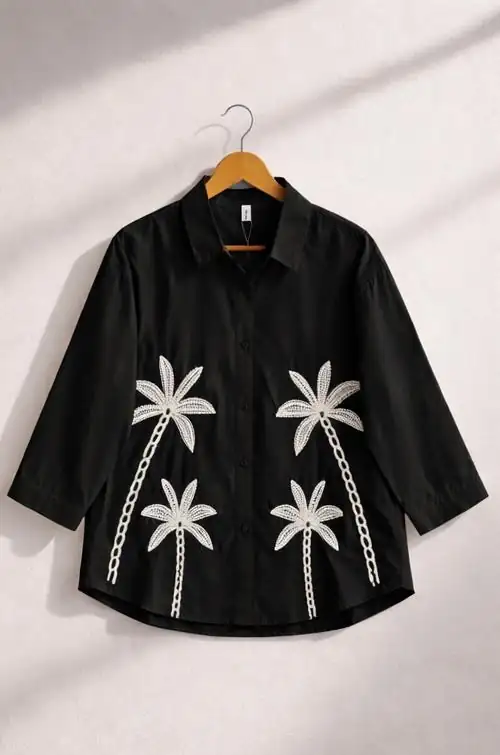
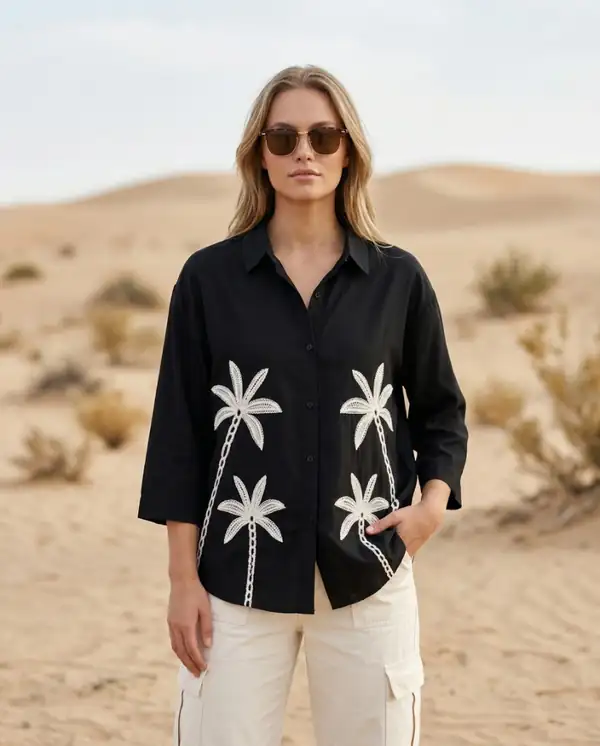
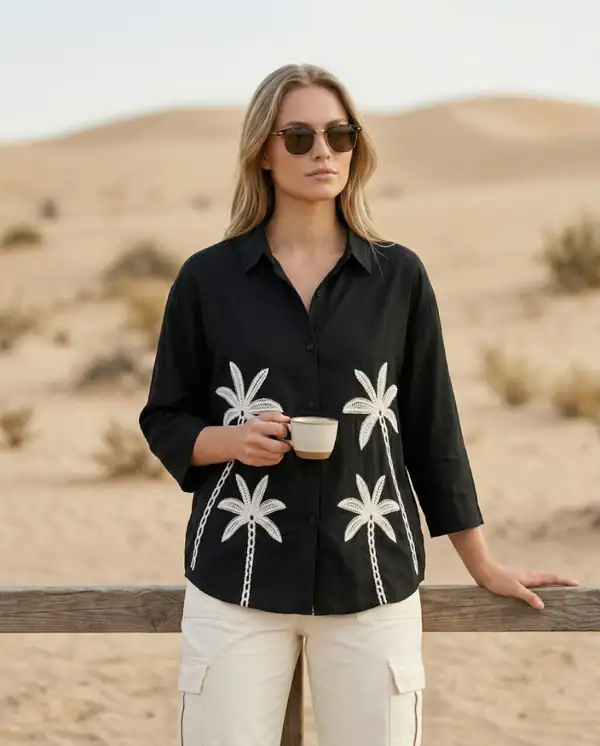
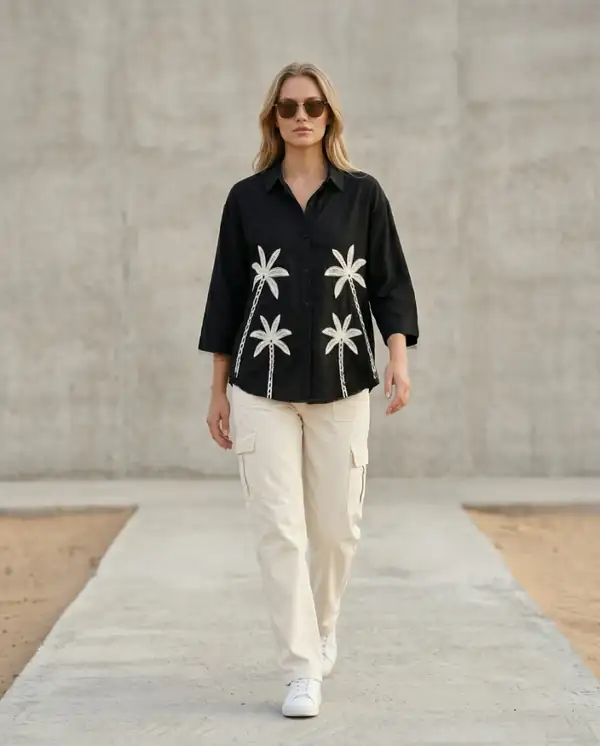
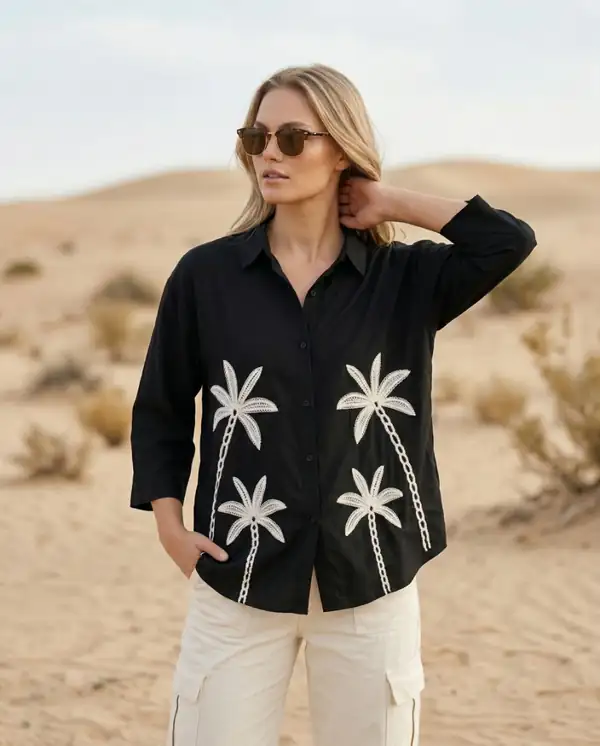
Can your customers tell it's AI?
Drag the slider. On the left, your raw upload. On the right, the catalogue-ready shot your customers actually see — same fabric, same print, real-world drape.
Raw uploadWhat customers seePixel-true fabric & print
Weave, motif and colour reproduce exactly — patola, banarasi, jamdani, denim. No washed-out AI mush.
Real drape & fit physics
Folds, pleats and fall behave like cloth on a real body — the detail returns drop on listings using flat-lays.
Identity-locked model
The same face, hair and skin across all 12 poses — your catalogue looks like one cohesive shoot, not 12 strangers.
Marketplace QC-approved
Brands report passing Myntra & Amazon image QC first try, with zero retouches.
Already shot a model? Re-use that photo.
Drop a brand-new saree, kurti, shirt or dress onto a shoot you already paid for. Same model, same pose, same lighting — only the garment changes. Drag the slider to see it.
One shoot, endless designs
Photograph a model once, then swap in every new style — no studio rebooking, no model fees.
True-to-fabric swap
Print, weave, zari border and panel map onto the drape at the exact colour — including graphic-tee backgrounds.
Identity & pose untouched
The face, body, pose, background and lighting of your original shot stay pixel-perfect.
Upload many photos at once
Run a whole shoot through in one go and download the swapped set together.
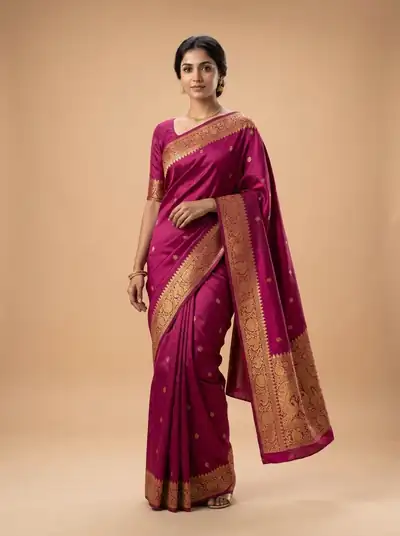
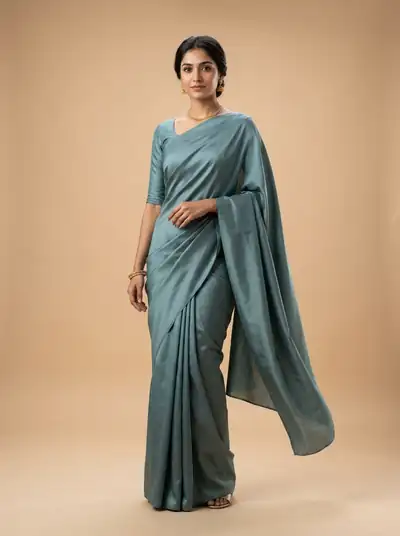 Your shootNew garment
Brands using Drapify ship more.
And sell more.
Aggregate impact across 10,000+ Indian D2C brands shipping to Myntra, Ajio, Amazon, Flipkart and Shopify.
3.4×
More listings shipped / month
+62%
Avg. add-to-cart rate
−87%
Cost per catalogue photo
14 days → 3 min
Listing turnaround
Listings shipped via Drapify
Last 12 months · in thousands · May 2025 → Apr 2026
Aggregate platform-wide listings shipped through Drapify. Numbers are rounded medians; not a forecast.
Every pose, one scrolling wall.
Scroll to drift through the real catalogue — same model, same lighting, same craft you'll see the moment you start shooting.
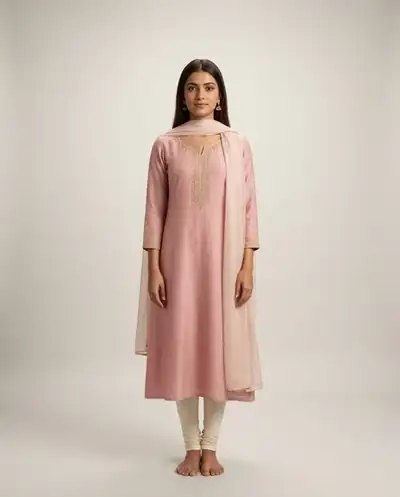 Kurti
Kurti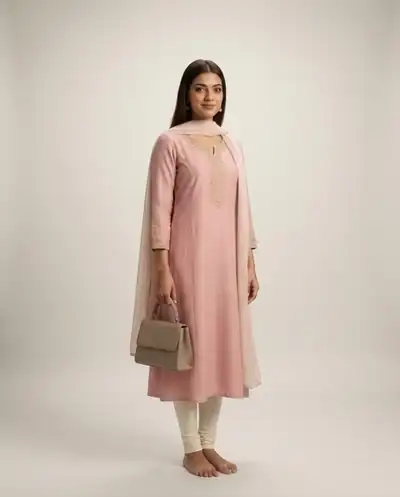 Kurti
Kurti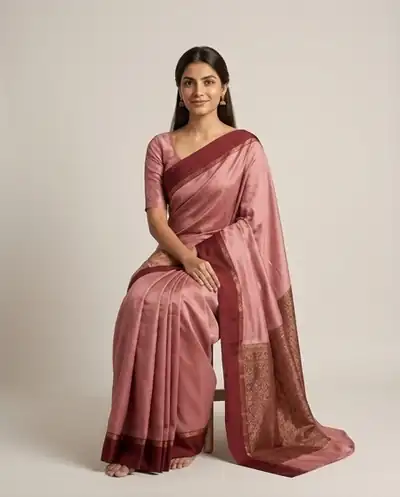 Saree
Saree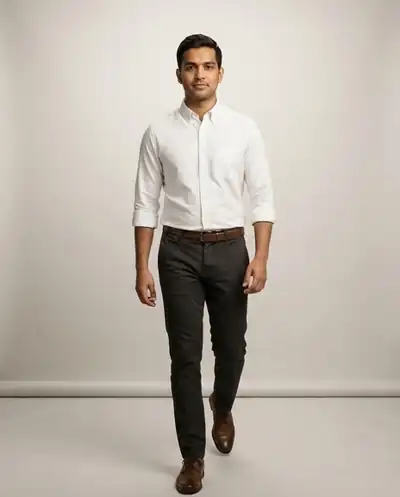 Shirt
Shirt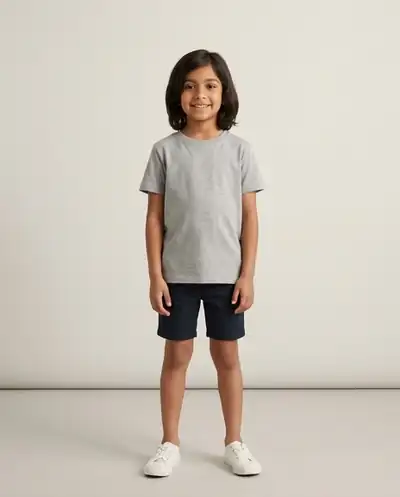 Kids
Kids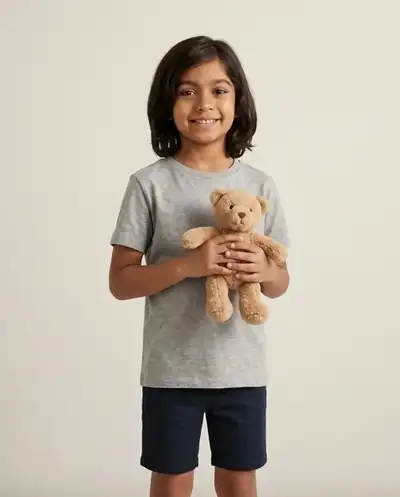 Kids
Kids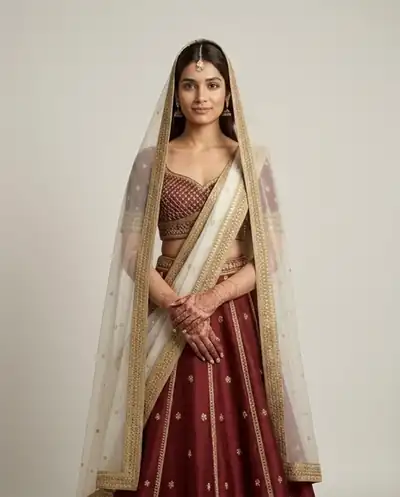 Lehenga
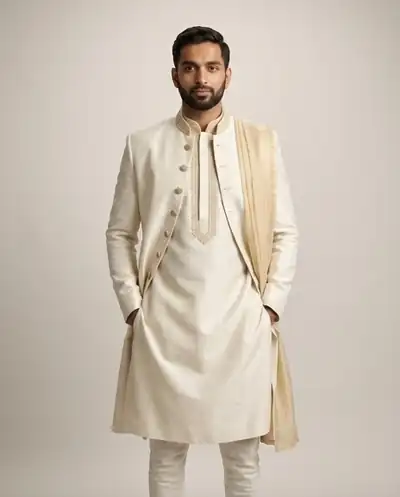 Men Ethnic
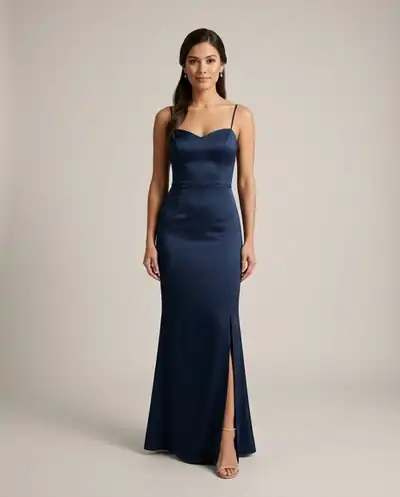 Gown
Gown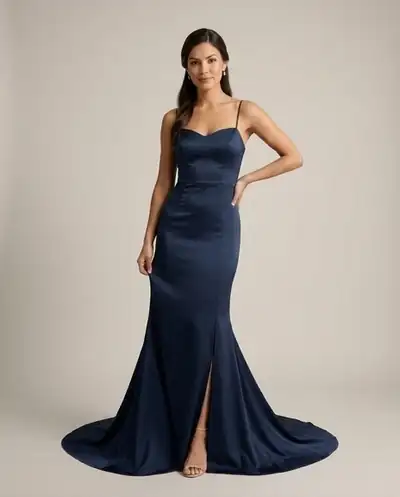 Gown
Gown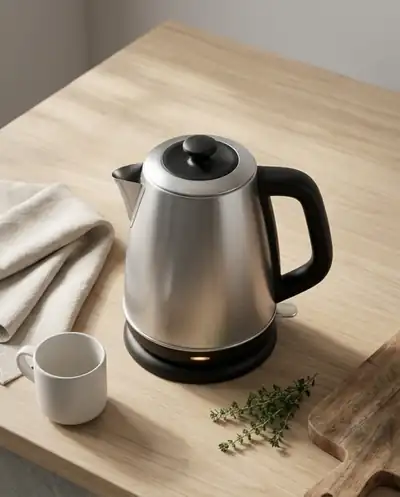 Product
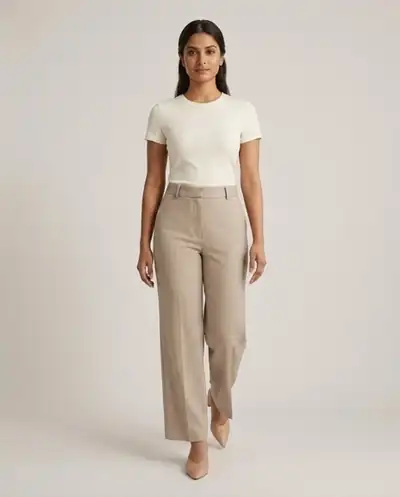 Trouser
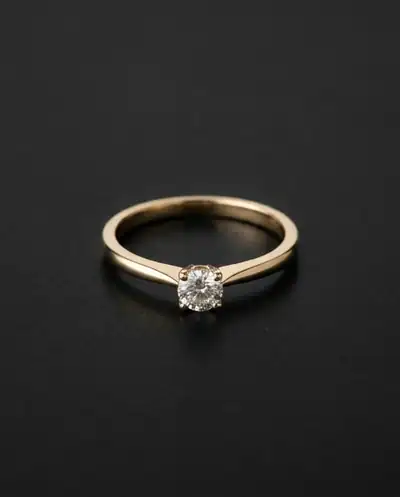 Jewelry
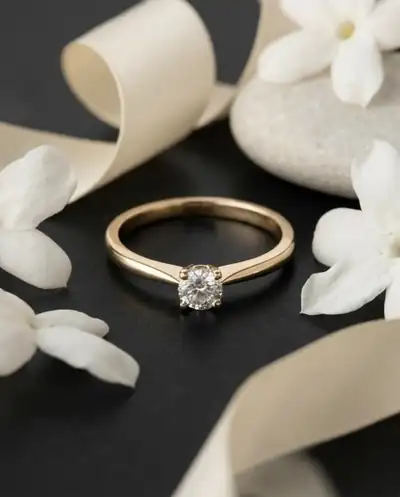 JewelryKurtiKurtiSareeShirtKidsKidsLehengaMen EthnicGownGownProductTrouserJewelryJewelry
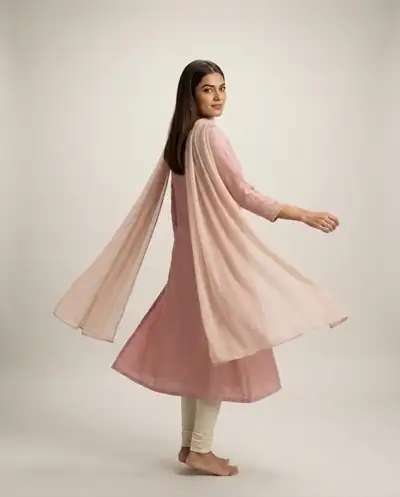 Kurti
Kurti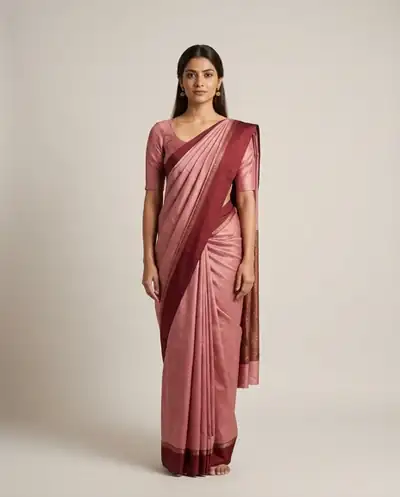 Saree
Saree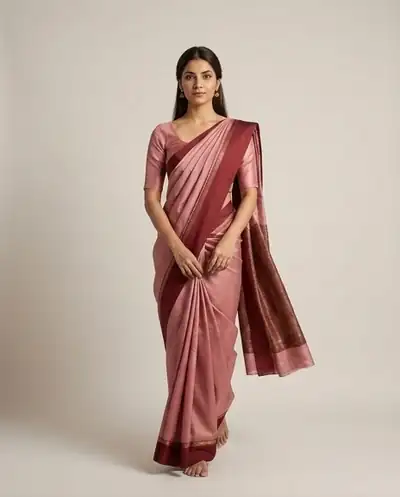 Saree
Saree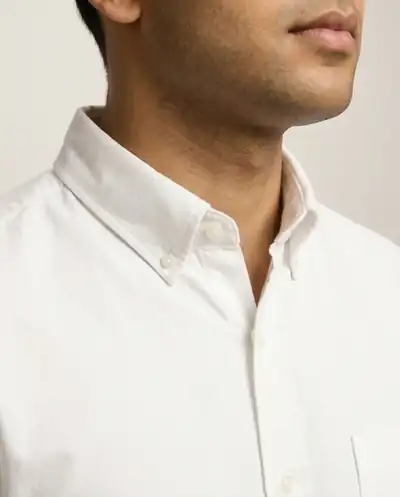 Shirt
Shirt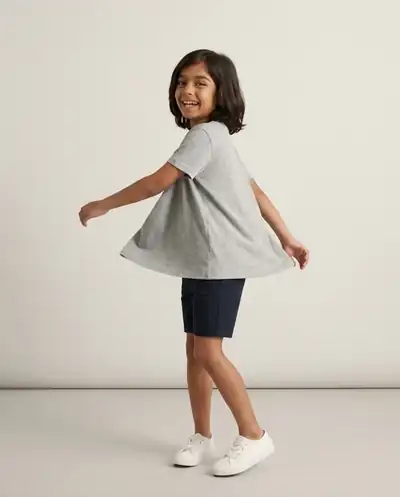 Kids
Kids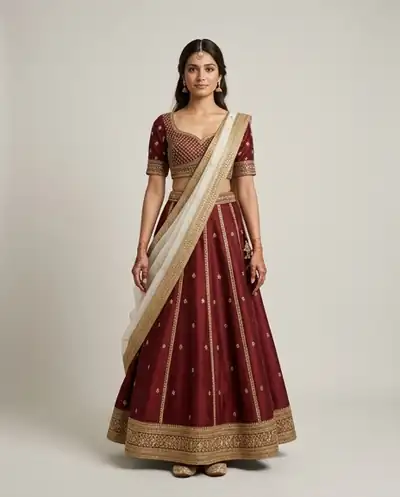 Lehenga
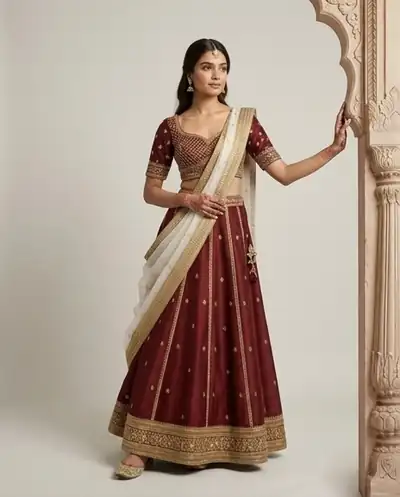 Lehenga
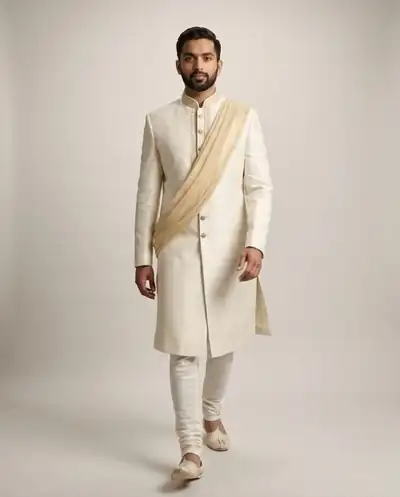 Men Ethnic
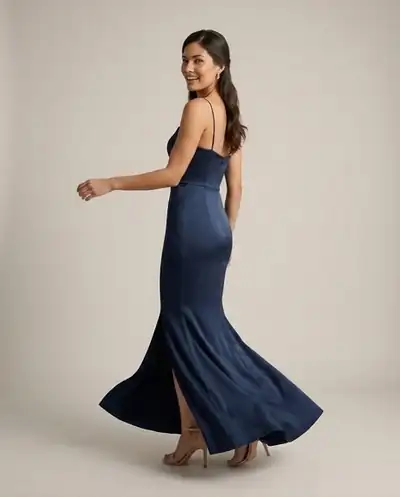 Gown
Gown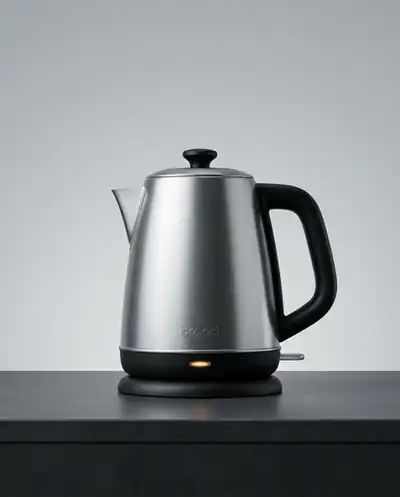 Product
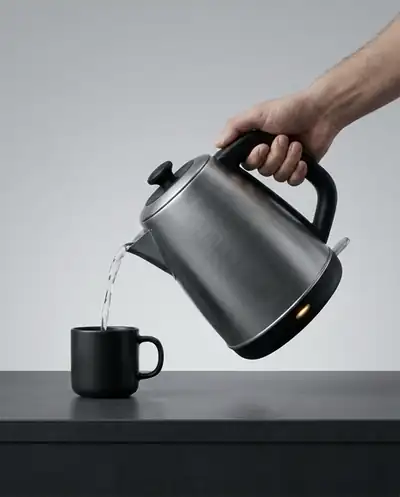 Product
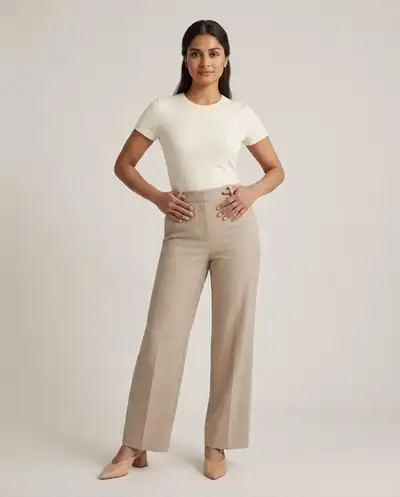 Trouser
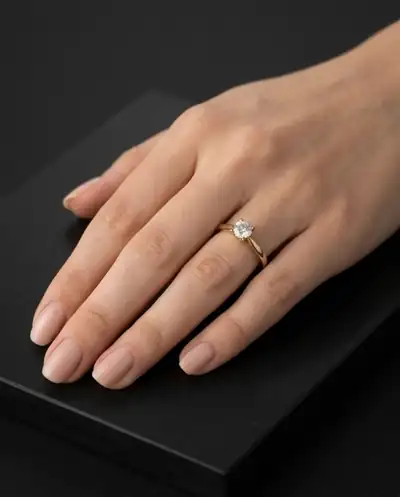 JewelryKurtiSareeSareeShirtKidsLehengaLehengaMen EthnicGownProductProductTrouserJewelry
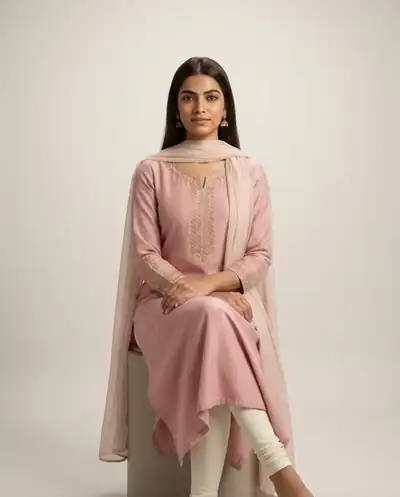 Kurti
Kurti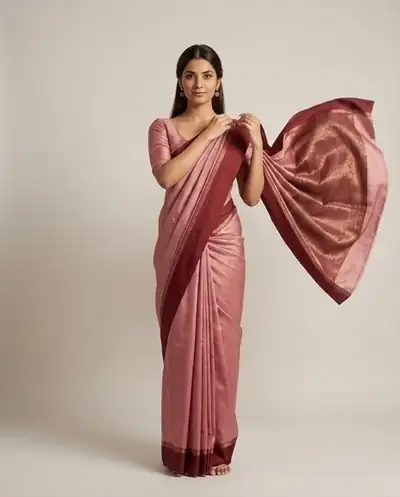 Saree
Saree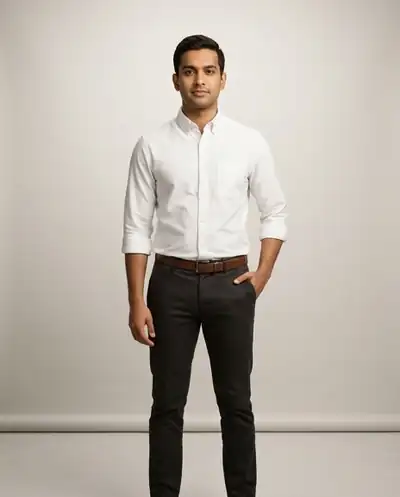 Shirt
Shirt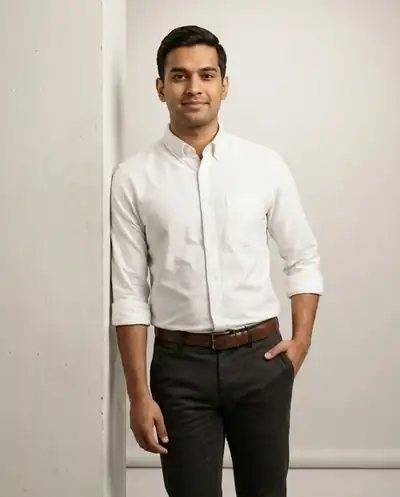 Shirt
Shirt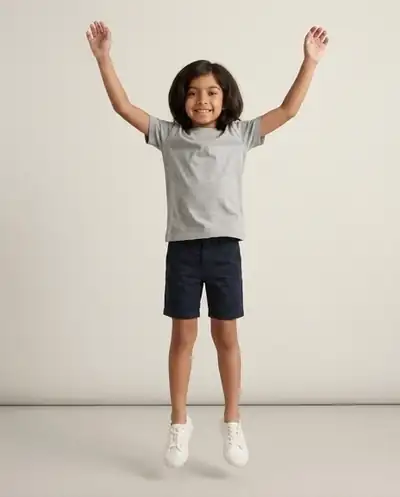 Kids
Kids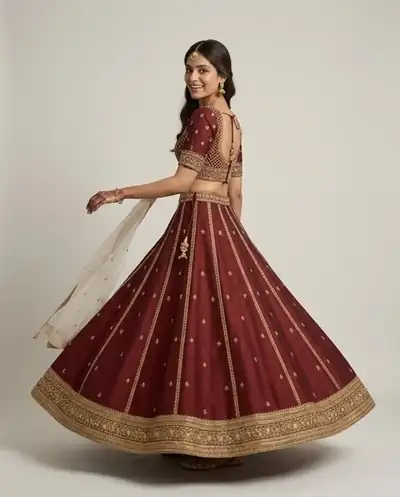 Lehenga
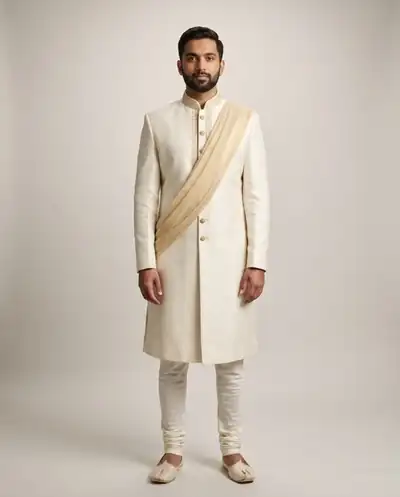 Men Ethnic
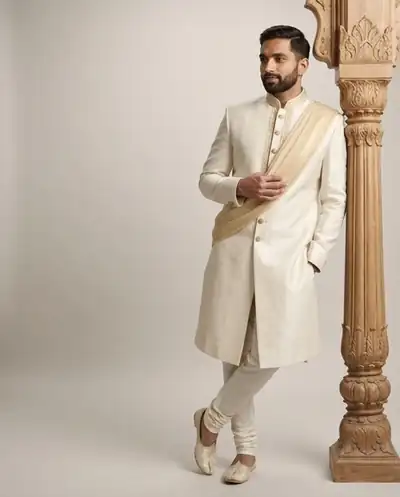 Men Ethnic
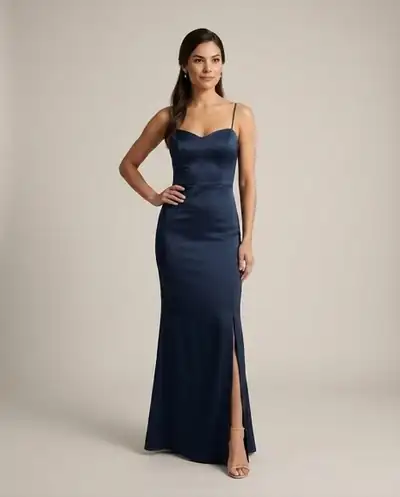 Gown
Gown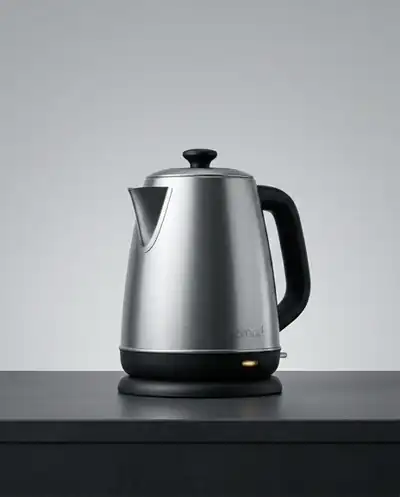 Product
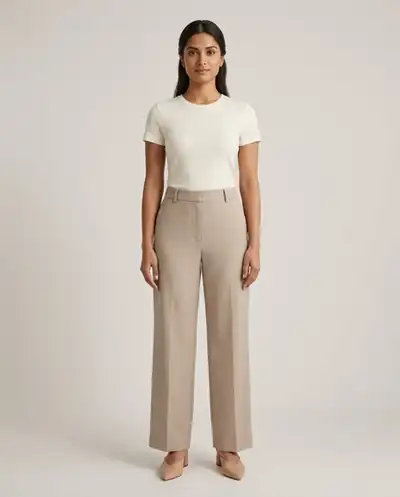 Trouser
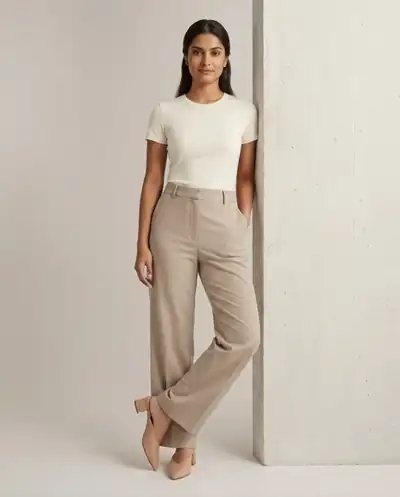 Trouser
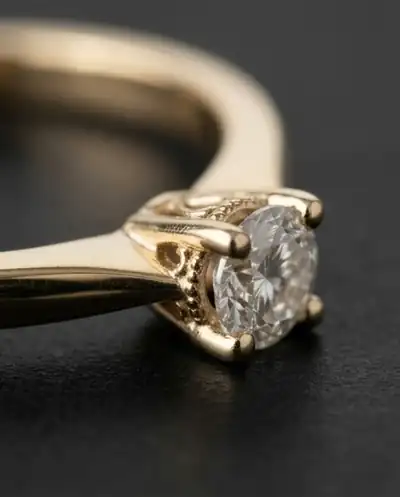 JewelryKurtiSareeShirtShirtKidsLehengaMen EthnicMen EthnicGownProductTrouserTrouserJewelry
Themaththatmakesbrandsswitch.
Same catalogue-ready image. Different universe of cost.
₹15,000 / photo
Studio · model · photographer · retoucher
₹12 / photoon Brand Scale
Your fabric · AI model · any scene
Why brands switch to Drapify.
Every other way to get product photos, side by side.
Plans from ₹1,999 · from ₹11/photo
Pay once · credits never expire · failed shots refunded
Upload straight to any marketplace
Every image is built to follow the image guidelines of leading marketplaces — pure-white product hero shots, approved aspect ratios, catalogue-grade clarity, and accurate colors.







Pure white bg for product-only hero shots
Correct aspect ratios (1:1, 3:4, 4:5)
Catalogue-grade clarity & true colors
Safe, commercial-use rights included
Trademark & affiliation disclaimer
All logos, trademarks, brand names, and product names referenced above are the property of their respective owners and are used here solely for nominative, descriptive, and illustrative purposes to indicate image-guideline compatibility. Their use does not imply any endorsement, sponsorship, partnership, certification, approval, or affiliation with Drapify. Drapify is an independent platform and has no commercial relationship with Myntra, Ajio, Amazon, Flipkart, Shopify, Nykaa, Meesho, Etsy, or any other marketplace shown. All rights in each trademark remain with the respective rights holder.
Everythingyouneed.Oneapp.
From a single fabric swatch to a full Drapify Studio campaign — without ever leaving the screen.
Drapify Studio — full campaigns
Upload 2–4 looks of the same garment type. AI plans the shoot, builds cover photos and every look shot in one cohesive luxury campaign — the output you see above is real.
Fire your photographer & studio
Upload a fabric, flat-lay or garment and get hero shots that look shot in a ₹5 lakh studio — for the price of a coffee.
Direct the entire shoot yourself
Tune model, pose, lighting, camera, background, framing and aspect ratio — every detail is yours, no photographer to brief.
Photograph every colorway, no reshoot
Generate the same model & pose in 5, 10, 20 colorways without losing face, hair or accessories.
Macro-perfect jewelry & footwear
Dedicated pipelines for jewelry macro shots, shoe hero angles, and custom embroidery with zari & sequins.
Never pay for a failed shot
If a pose fails we automatically return the credits to your balance. Retry only the failed pose — never pay twice.
Edit photos by just typing
Type a prompt like "make sleeves looser" or "warmer lighting" and refine any shot until it's catalogue-ready.
Totalcreativecontrol,zerophotoshop.
We didn't hide the settings behind "AI magic". Pick exactly how your model looks, where she stands, and how the camera sees her.
Your Model
- 3 gendersFemale · Male · Kids
- 7 age ranges20s, 30s, 40+ · kids 3–16
- 8 body typesSlim, Athletic, Plus → Plus 5XL
- 40+ ethnicitiesIndian regional, Asian, European, African, Latin, Mixed
- 37+ hairstyles24 female · 13 male styles + "Vibe Matching"
The Scene
- 100+ backgroundsStudio, Indoor, Outdoor, Heritage, Abstract, Jewelry surfaces, Kids-friendly
- 7 lighting setupsSoft, Hard, Golden Hour, Night, Neon, Rim, Natural Window
- 6 camera anglesFront, Side, Low, High, Dutch Tilt, Behind Glance
- 5 framingsFull Body · Waist Up · Face & Shoulders · Knee Up · Mid-thigh
- 6 aspect ratios1:1 · 3:4 · 4:5 · 9:16 · 16:9 · 3:2
The Garment
- 8 garment categoriesKurti sets, Saree, Lehenga, Shirts, Men ethnic, Western, Footwear, Jewelry
- 24 fabric typesCotton, Silk, Chiffon, Velvet, Banarasi, Kanjivaram, Denim, Wool…
- 6 style presetsE-commerce, Luxury, Editorial, Instagram, Streetwear, Traditional
- Design studioPrint-ready artwork + garment mockups — DTF, screen print, puff, foil & more
- Jewelry controls12 metal types, 9 finish types, surface & lifestyle shots
Bonus powers
1K / 2K / 4K quality
Choose speed or ultra-HD
Bulk ZIP export
Download whole catalogue
Prompt refine
Iterate with feedback
Color variants
Identity-locked recolor
A photoshoot studio for whatever you sell.
Saree, kurti, lehenga, jewellery, menswear, western wear — and channel-ready sets for Myntra, Amazon, Shopify and Meesho. Find your use case.
Pay once. Shoot forever.
No monthly plan. No lock-in. Credits never expire — every photo is yours, always.
Showing prices in Indian Rupees (₹ INR) · GST included
Store Launch
~360 AI photos 1K
3,600 credits internally · ₹14/photo · save 17%
Brand Scale
~840 AI photos 1K
8,400 credits internally · ₹12/photo · save 29%
Agency
~1,800 AI photos 1K
18,000 credits internally · ₹11/photo · save 33%
Plans from ₹1,999·
Everything you need to know.
Pricing, quality, refunds, security — all the answers in one place. Search or browse below.
Still have questions?
Our team is one tap away. Tell us what you're shooting and we'll guide you to the right plan.
Your next collection deserves
Drapify Studio.
Sign up free — shoot regular photoshoots instantly, then unlock full multi-look campaigns when you're ready. Credits never expire. Commercial rights from day one.
Drapify StudioReal campaign output · 4 looks · 1 cover
L1L2L3