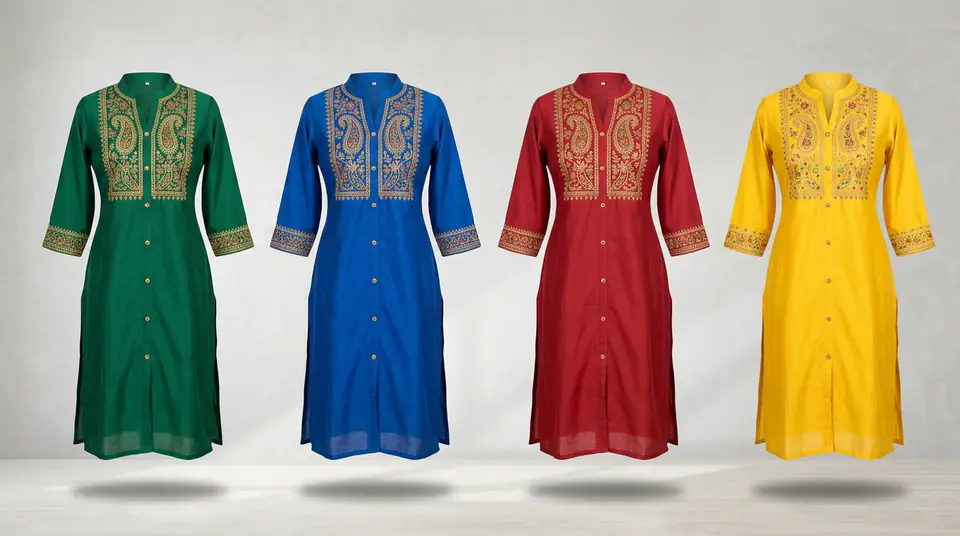
"Shooting every colour variant is too expensive and time-consuming."
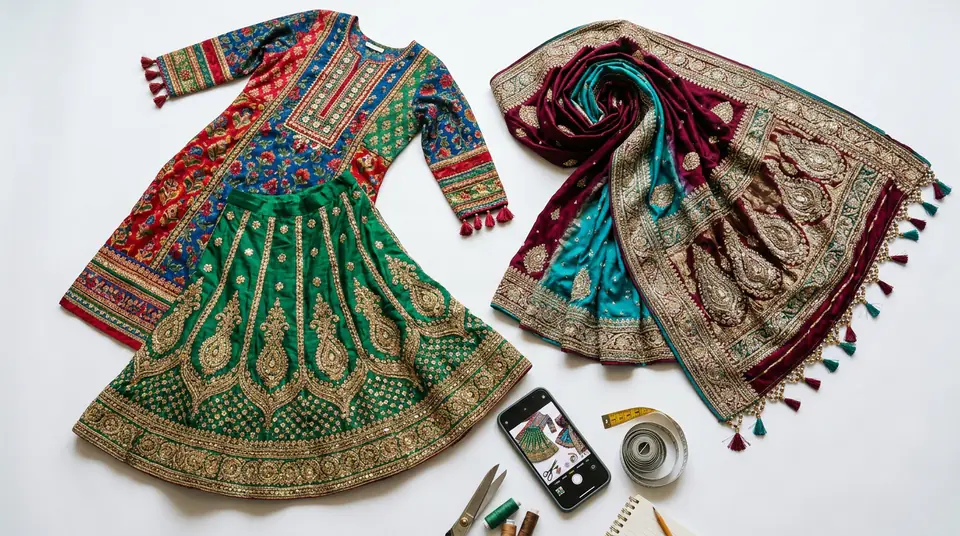
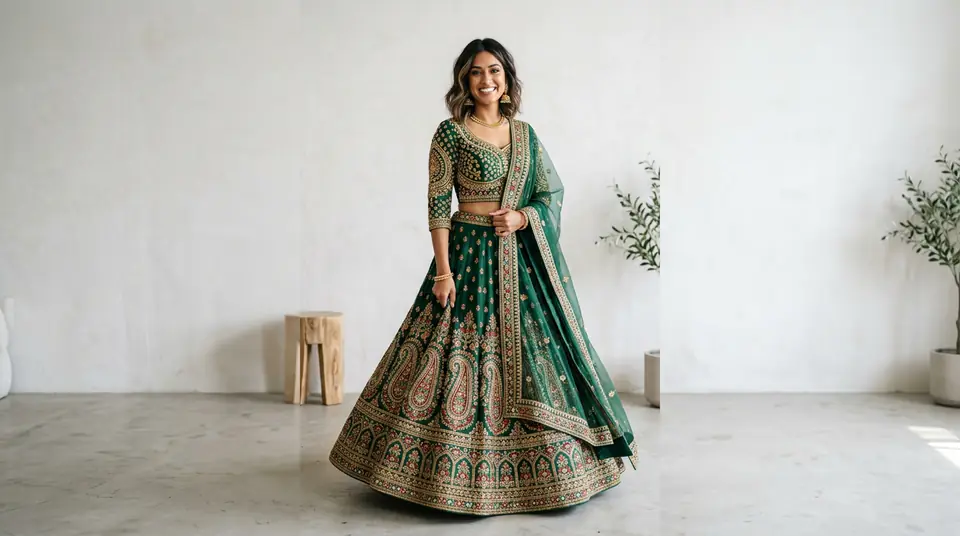
This is the granddaddy of all excuses. I hear it all the time from brands trying to scale past ₹50 lakhs/month. They look at the traditional photoshoot setup — the models, the stylist, the studio rental in Delhi or Bengaluru, the photographer's fees, the endless post-production rounds. A single day can easily set you back ₹30,000 to ₹50,000. And if you have a top or a lehenga set in, say, six colours, that's six times the effort, six times the hassle. So, yes, the logic made perfect sense back in 2021 when the only option was a physical studio.
But here's the brutal truth: that thinking is now costing you sales, every single day. The reality is the cost and time per variant have absolutely plummeted, thanks to advancements in AI. What used to be an expensive bottleneck is now an investment with rapid, measurable returns. You're not saving money by skipping variant photos; you're actively bleeding sales by making customers imagine what they can't see.
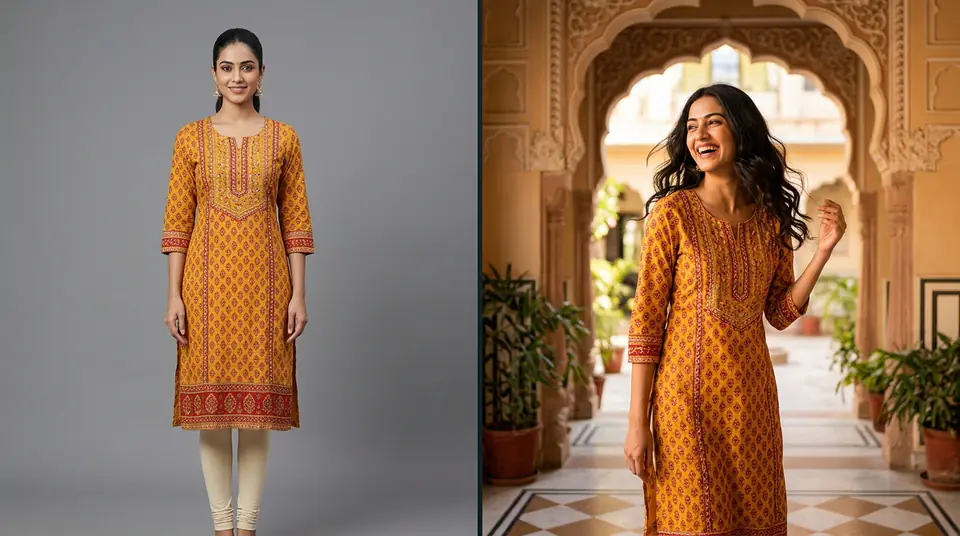
I personally witnessed a Myntra fashion brand boost their conversion rate by a solid 22% for products that featured dedicated model photos for all colour SKUs, as opposed to just a primary image with colour swatches. That's real money, not just vanity metrics.
"Customers will just imagine the other colours based on swatches."
Ah, the old 'customers are smart' defence. You put up a tiny red square, and they're supposed to conjure up an image of that gorgeous maroon Banarasi silk saree draped elegantly on a model, right? They know what they want, they trust your brand, they'll just fill in the blanks. That's the steelman. It sounds reasonable, almost respectful of your customer's intelligence.
But let's be real. Nobody buys with their imagination when it comes to fashion, especially online. People browse with their eyes. They need visual confirmation, not a mental exercise. A swatch is a starting point, a filter, perhaps, but it's not the convincer. For a ₹1,200 kurti or a ₹4,000 anarkali, they need to see how the fabric drapes, how the embroidery pops (or doesn't) in that specific colour, how it looks on a human body. Think about your own online shopping habits: would you commit to an expensive outfit if you only saw a thumbnail of the 'main' colour and tiny, uninspiring squares for the rest?
Flipkart's internal user behaviour studies consistently show that product pages featuring all colour variants displayed on a model had a conversion rate that was three times higher compared to listings that relied solely on a single primary image and colour swatches. That's a massive difference, not a minor tweak.