The Co-ord Set Delusion
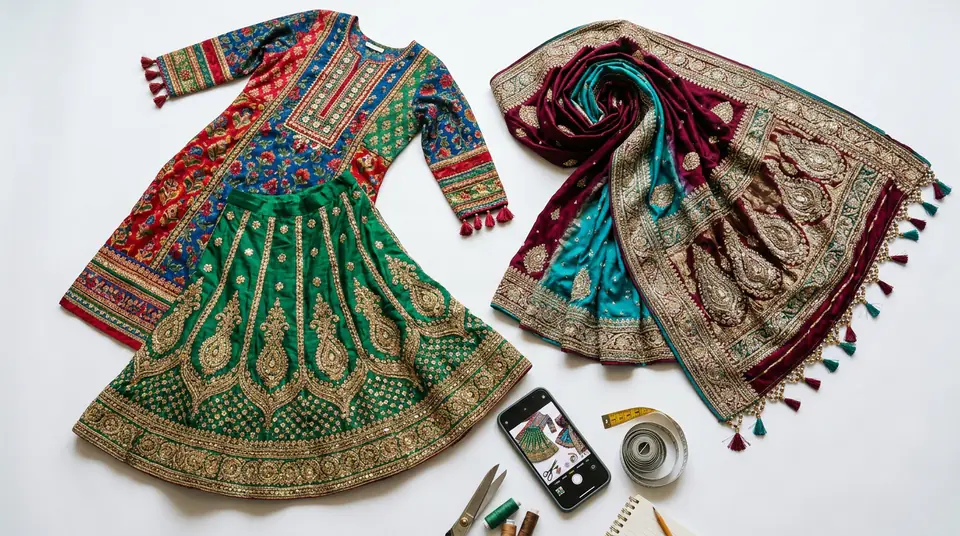
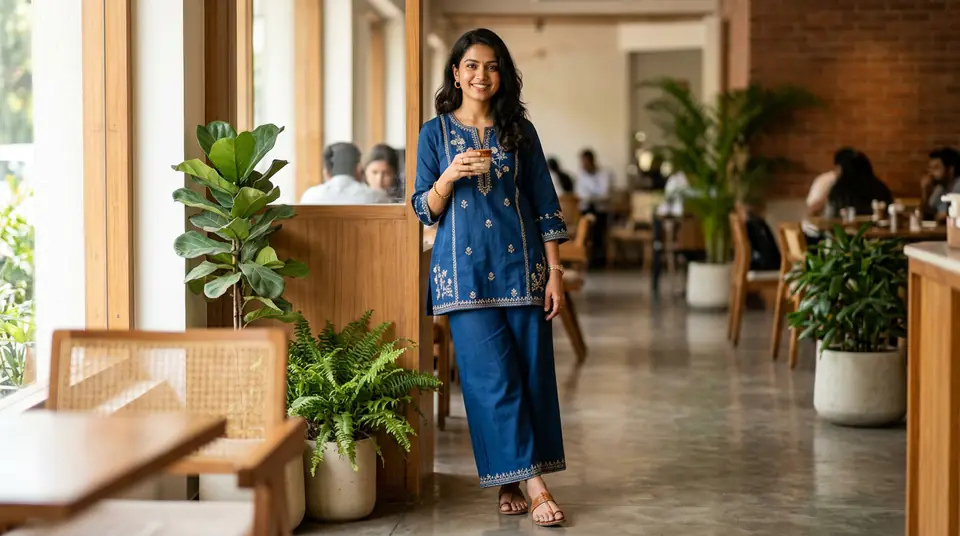
It's an open secret in Surat: everyone's chasing the ethnic co-ord sets for women trend. Myntra's flooded with them, Meesho, Ajio — you name it. They're affordable ethnic wear online India loves, versatile, perfect for everything from office wear to a casual family dinner. We thought we had it nailed. Our design team was churning out cotton blend kurta sets, linen co-ords, even some silk blends for wedding season. Production was efficient, costs controlled. Then the sales figures started lagging, especially on newer launches. Initial interest was there, clicks aplenty, but conversions? Anaemic. We were getting traffic, but people weren't adding to cart. They weren't completing the purchase. This isn't theoretical; it's what keeps me up at night.
Where We Went Wrong (The 'Good Enough' Trap)
My father always said, "Good enough is the enemy of great." I've learned that lesson the hard way. For years, our catalogue photography was... well, good enough. We'd book a studio in Mumbai for a week, get a couple of models, churn out hundreds of images. Expensive, yes (typically ₹48,000 to ₹65,000 a day, plus travel and model fees), but it was the way. The problem? Scale. And consistency. When you have a latest kurti designs online collection with twenty new co-ord sets, each in three colour variants, suddenly "good enough" means a single model awkwardly posing in the least flattering angle for half the variants. We'd save money by not reshooting every colour, thinking, "They get the idea." They didn't. They got confused. They abandoned cart. They returned products saying, "Colour mismatch," or "Doesn't look like the photo." (And you know how much reverse logistics eats into margins, especially with ₹1,200 kurtis.)
Generate your own AI fashion photoshoot with Drapify — 50 free credits, no card required.
A Client's Brutal Truth (and My Own Wake-up Call)
The Ahmedabad buyer, Sunita, put it plainly during our last call, and it hit hard because I knew it was true:
“"Honestly, I love your designs, but I can't stock what I can't properly visualise. Some of your co-ord sets look different on every model – one shot looks slim-fit, another oversized. How am I supposed to convince my customers?"”
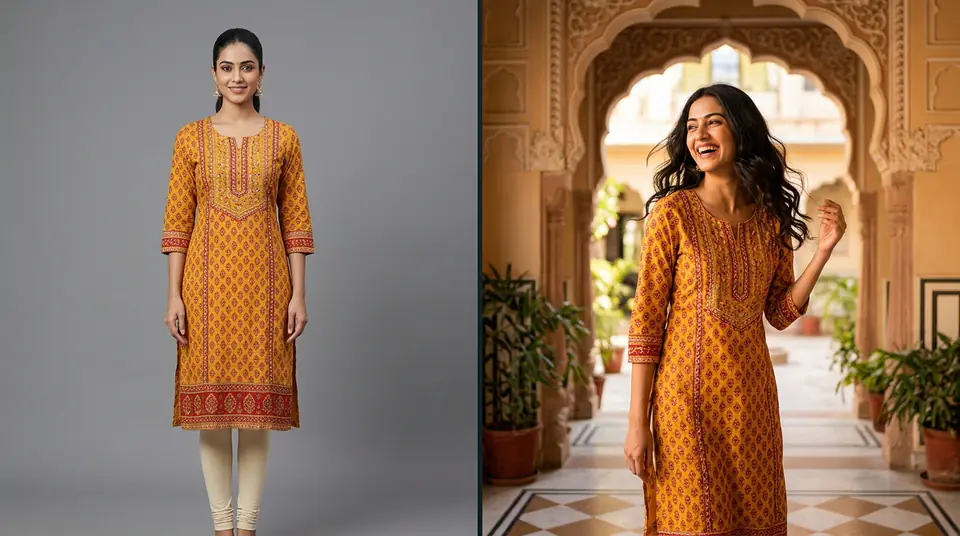
She wasn't wrong. We were using different models across different shoots, sometimes even within the same collection. The sizing looked inconsistent. The fabric drape changed. Our customers, and even our B2B partners, couldn't trust what they saw. We were selling the idea of a co-ord set, not the garment itself. I realised we needed a solution that offered consistency, scale, and speed, without breaking the bank. That's when I started seriously looking into AI fashion photography India solutions. (I’d been skeptical, mind you. "Looks fake," I used to say.)
Don't try to reshoot everything at once. Start with your top 10 best-selling ethnic co-ord sets, especially those with high return rates or low conversion rates. Use a consistent model and lighting for these, then move to new launches and seasonal collections. This targeted approach gives you immediate ROI.
The DrapifyApp Difference: Solving for Scale (and Sanity)
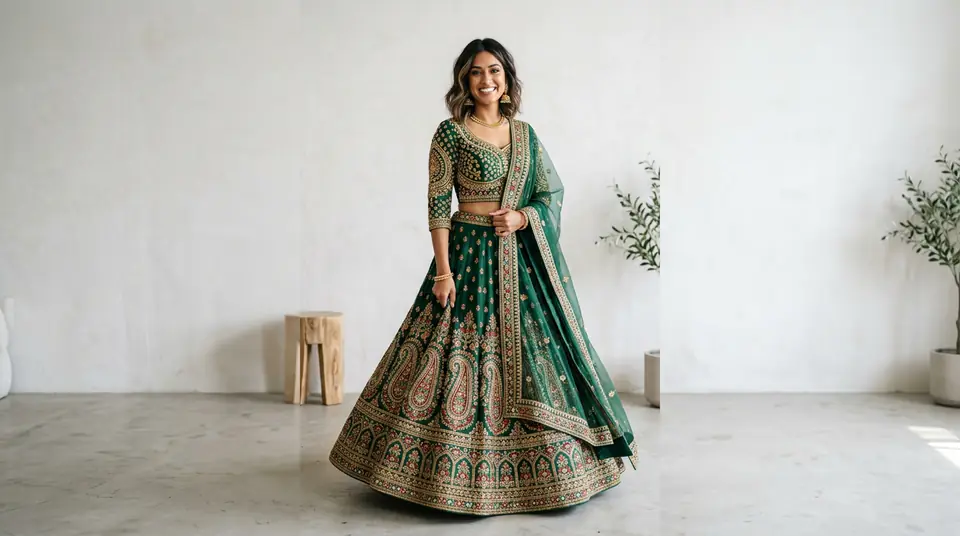
We started experimenting with DrapifyApp a few months ago, initially just on back catalog items – older kurti sets that needed a refresh. The process? Astonishingly simple. Upload a single garment photo, choose a model (they have a good range of Indian identities, and you can even lock models for consistency across multiple poses), pick a pose, and ~3 minutes later, you have 1K, 2K, or even 4K resolution images. Suddenly, shooting all eight colour variants of a popular cotton blend kurti set became trivial. It costs us around ₹13-15 per photo, a fraction of what we paid the Mumbai studio. And the best part? We could make sure the same virtual model wore all the co-ord sets, creating that crucial visual consistency Sunita was asking for. We saw a noticeable bump in our conversion rates for the updated listings, particularly for the affordable ethnic wear online India segment where clear visuals are paramount. DrapifyApp also auto-refunds failed shots – a small but significant detail that builds trust when you're experimenting.
It's Not Just About Co-ords, It's About Mindset
The lesson here isn't just about ethnic co-ord sets for women or the latest kurti designs online. It's about letting go of old, expensive habits that no longer serve us in the age of e-commerce. For years, we thought physical photoshoots were the only way to convey quality. We were wrong. The market, driven by customers browsing on Myntra and Amazon India, demands speed, variety, and absolute visual clarity. They want to see every colour, every drape, on a consistent body type. They want confidence in their purchase. We've scaled our catalogue output by nearly 400% in the last six months, adding thousands of new, high-quality images to our listings without hiring more staff or building a new studio. This isn't just for designer co-ord sets India brands; it's for anyone selling fashion online. The future of Indian fashion e-commerce isn't just about what you sell, it's how you show it.