"Studio shoots guarantee premium quality images."
This one's a classic. The belief stems from a time when professional studios were the only place with the gear, lighting, and expertise to create anything decent. You booked a studio, paid your hefty fee, and assumed the output would justify it. It felt like an investment in brand perception, a non-negotiable step to appear legitimate next to established players on Myntra or Amazon India.
Here's the rub: 'premium quality' is less about the physical studio and more about consistency and control over variables. A lavish studio doesn't magically fix a bad brief, an inexperienced photographer, or models who aren't connecting with the vision. I've seen brands blow ₹80,000 on a day shoot in Mumbai, only to get a batch of photos with inconsistent lighting across SKUs, or models looking bored. What's premium about that? Reality check: quality is a function of process, not just real estate. Plus, with the sheer volume of new collections and colour variants, maintaining consistent 'premium' quality becomes a logistics nightmare, even with the best studio.
72%
of customers demand consistent product visuals across all channels
₹50,000-₹1,50,000
typical studio photoshoot day rate in metros (excl. model/stylist)
"You need a big budget for professional models."
Everyone thinks a catalogue needs famous faces or at least agency-represented models. It's a natural conclusion, right? Models bring clothes to life, they convey style, and they sell the dream. For aspirational brands or high-fashion campaigns, a specific model can be crucial. Many boutique owners in places like Bangalore or Hyderabad budget significant chunks just for model fees, believing it's the only way to get eyeballs.
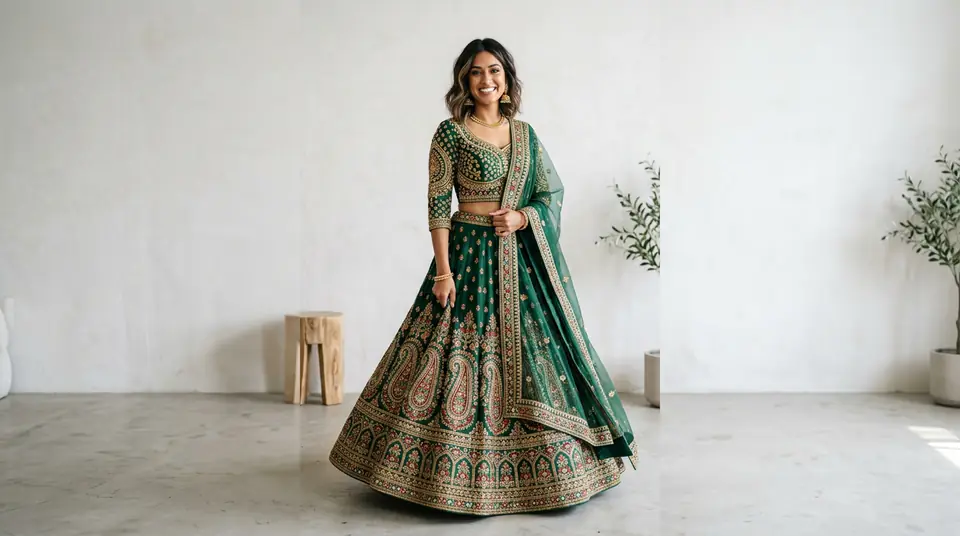
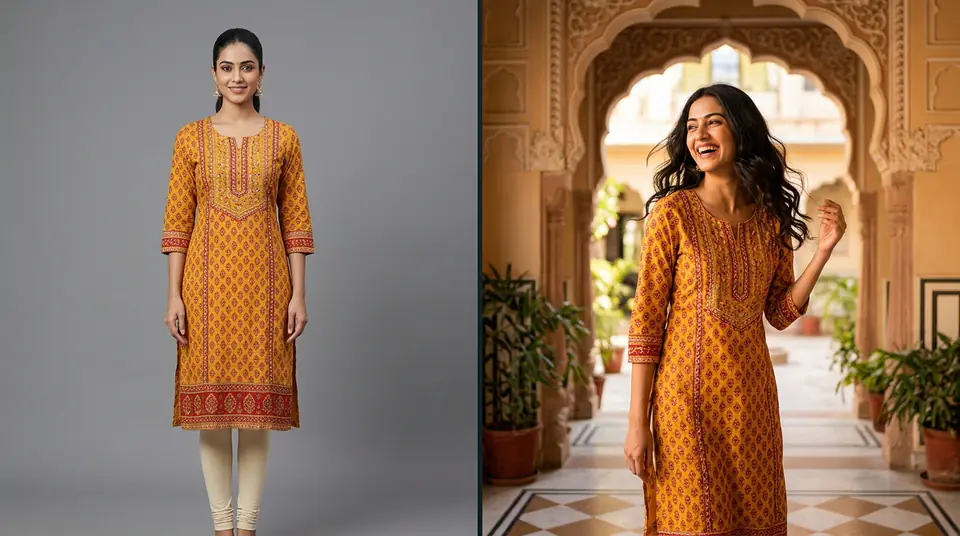
But for the bulk of your catalogue listings, especially everyday wear like kurtis, men's shirts, or simple lehengas, what you truly need is consistency and presentation, not necessarily a specific person. The reality is that model costs can eat up 30-50% of your photoshoot budget. We once paid a 'mid-tier' model ₹25,000 for a half-day shoot in Surat, only to realize the real value was in her posing ability and how she showcased the garment, not her celebrity status. For the vast majority of e-commerce, the garment is the hero. DrapifyApp, for instance, lets you generate hundreds of photos with identity-locked AI models, ensuring the same 'person' across different poses and products, without ever paying a daily rate. You get consistency, variety, and a budget that doesn't haemorrhage cash on flight and lodging.
Generate your own AI fashion photoshoot with Drapify — 50 free credits, no card required.
"DIY shoots always look unprofessional."
This myth is strong with smaller brands, especially those just starting out from their homes in places like Lucknow or Ahmedabad. They look at the slick visuals from big brands on Flipkart and think, 'I can't possibly compete with my phone.' There's a fear that anything less than a full-blown studio setup screams amateur, turning customers away before they even consider the product quality.
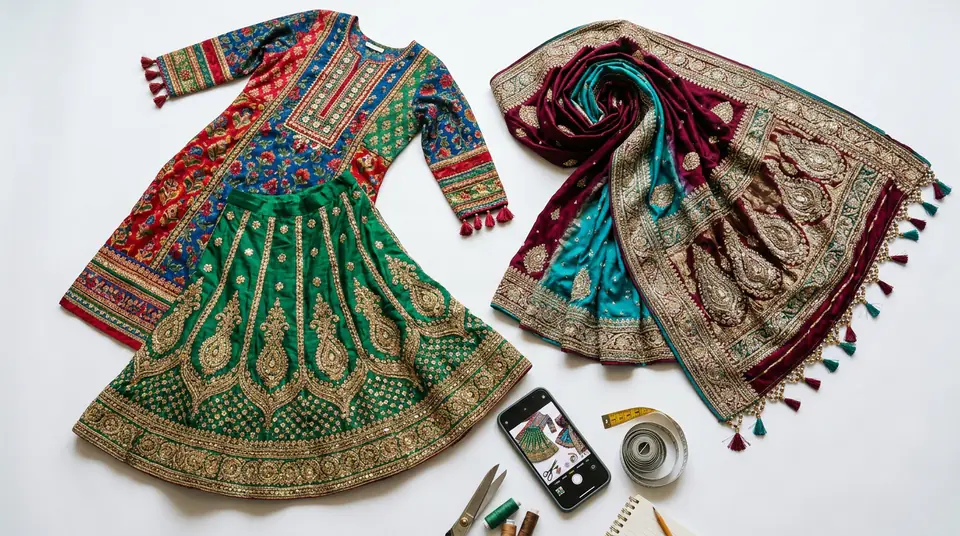
It's true that a badly lit, shaky phone photo looks unprofessional. No argument there. But 'DIY' isn't synonymous with 'bad'. For flat lays or ghost mannequin shots of certain garments, a good smartphone, natural light, and a clean backdrop can yield perfectly acceptable images for your initial listings. The key isn't the camera type, it's understanding basic photography principles: light, composition, and consistency. But even then, there's a ceiling. You're limited by your time, skill, and creative bandwidth. You might get product shots, but dynamic lifestyle imagery? Forget it. That's where the jump from basic DIY to smart DIY comes in. You can do the basic garment prep, then use tools that elevate those simple photos into a professional-grade catalogue, complete with models and diverse backgrounds, for literally pennies per shot. A good AI platform can transform a simple product photo into a compelling visual story for about ₹15 a photo, rendering the 'unprofessional' excuse obsolete.
"Reshoots are just a cost of doing business."
I've heard this from countless manufacturers and sellers. 'Oh, we got the colour wrong in production, need to reshoot.' Or 'The fabric drape isn't coming out right, gotta do it again.' It's treated like a line item in the budget, an unavoidable expense. The logic is, you want the product to look its best, and if it's not right, you fix it, even if it means another day in the studio, more model fees, and production delays. This mindset, frankly, is stuck in 2018.
Reshoots aren't a cost of doing business; they're a failure of process or a lack of modern tools. Think about it: every reshoot means paying for the studio, photographer, models, stylists, and travel all over again. It's not just the money; it's the lost time. That delay could mean missing the crucial first week of Diwali sales for a new saree collection, which can cost you lakhs in revenue. What if you could change a garment's colour or pattern, or even fix a bad drape, without a physical reshoot? We're now generating high-quality colour variants of our kurtis from a single base photo with AI, saving us nearly ₹30,000 per collection in reshoot costs alone. This is not just a 'nice to have' feature; it's essential for rapid iteration and inventory management.
20%
average increase in time-to-market due to reshoots
₹1.5 Lakhs
potential lost revenue per missed festival launch due to delays
"AI fashion photography looks fake or generic."
This is the biggest hurdle for many, especially the old guard in Surat. They've seen some of the early, clunky AI images – the ones with distorted hands or uncanny valley models. It looked robotic, lacked soul, and certainly didn't convey the intricate embroidery of a lehenga or the natural fall of a handloom saree. The assumption is that AI can't capture the nuances, the 'realness' that makes a customer click 'Add to Cart'.
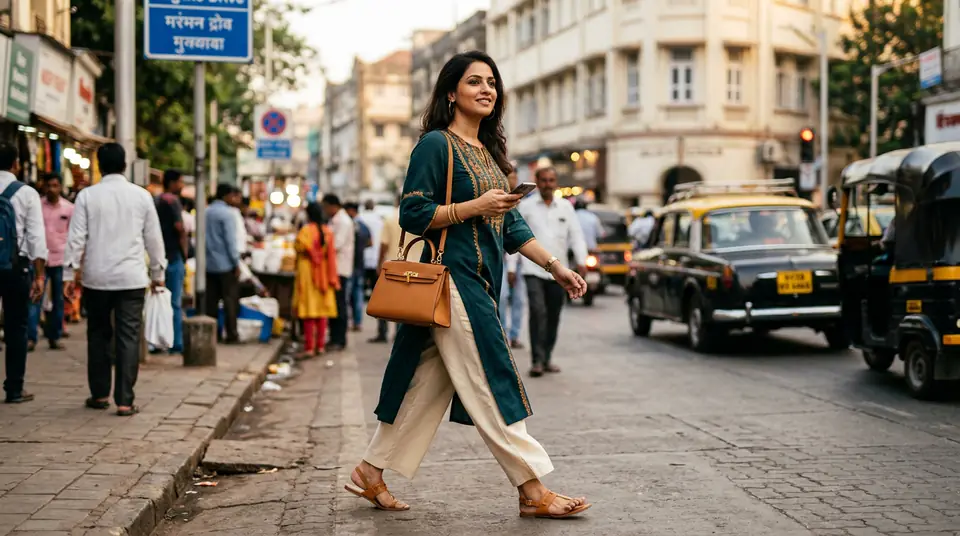
Frankly, if you're still thinking that in 2024, you're looking at outdated tech. AI has evolved, fast. Today's generative AI, especially platforms like DrapifyApp, produces incredibly realistic, diverse, and customisable fashion imagery. You can specify ethnic wear, specific backdrops, different age groups, body types, and even subtle emotions. It's not about replacing human creativity; it's about amplifying it and making it accessible. The 'fake' argument crumbles when you see a DrapifyApp image of a designer kurti against a stunning Goa beach backdrop, or a menswear shirt styled perfectly for a corporate look, generated in minutes from a single product photo. We're talking 4K resolution output, identity-locked models, and backgrounds that are indistinguishable from real locations. It's about empowering brands to create more, faster, and better, without the logistical headaches or prohibitive costs of traditional shoots. And yes, failed shots are auto-refunded, so there's literally no risk to trying.