That First Impression Is Everything (And You're Blowing It)
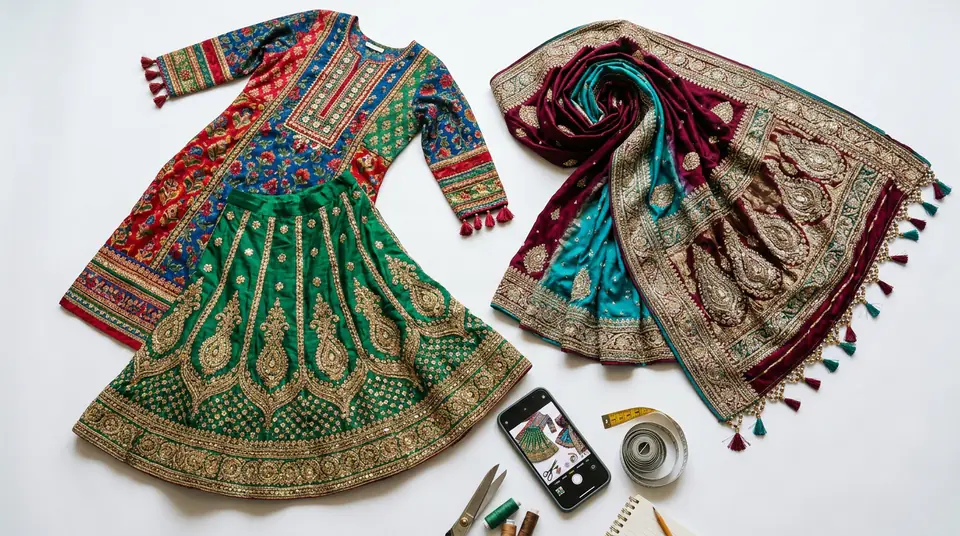
Honestly, sometimes I just want to bang my head against a wall. After years as a category manager at Myntra, wading through thousands of seller listings, the sheer number of basic mistakes I saw, day in and day out, was mind-numbing. It wasn't about fancy photography; it was about coherence. Consistency. (You’d think it would be obvious, wouldn’t you? Apparently not.) I've seen brands with genuinely good products, premium fabrics, unique designs — then you scroll through their product photos and it's a visual assault. One picture has a stark white background, the next is against a faded brick wall, then suddenly, there's a model awkwardly posed in a local park. It's a hodgepodge.
Every time I saw it, I knew exactly what was happening: lost sales. The kind of catalogue inconsistency that makes a customer pause, then click away. They didn't even know why they clicked away, but I did. Their subconscious was screaming, 'This isn't a brand; this is a random collection of items from different places.' And in the cutthroat world of online fashion, especially on marketplaces like Myntra, Amazon India, or Flipkart, that split-second doubt is all it takes.
The Psychology of a Messy Catalogue
Think about your favourite fashion brand, online or offline. Do their stores look like a chaotic bazaar? Do their ad campaigns jump from one aesthetic to another with no rhyme or reason? Of course not. They invest heavily in a cohesive brand visual identity. And your ecommerce listing photos are your digital storefront, your primary brand ambassador. When your product photo background changes every other SKU, it doesn’t just look sloppy, it actively erodes trust.
A buyer sees a beautiful kurti on a clean, professional background. They add it to their cart. Then they browse your other listings and see a different kurti shot against a cluttered background, maybe even poorly lit. Suddenly, the perception of quality drops. They start questioning if the first kurti was a fluke. Is this an authentic brand? Are these even the same quality standards? This isn't just an aesthetic preference; it's a direct attack on their confidence in making a purchase. It impacts conversion rates fashion in ways sellers rarely attribute to the real culprit: visual disarray.
“Look, I love this design, it's perfect for Diwali. But why does this photo look so professional, and then the blue variant looks like it was shot in someone's garage? Is it even the same fabric?”
Marketplace Mandates: It's Not Just a Suggestion
Most major marketplaces, including Myntra, have stringent guidelines for product photo backgrounds for a reason. They understand that a consistent, clean aesthetic across their platform improves the overall buyer experience. They don't want their platform looking like a digital flea market either. I’ve personally reviewed countless listings for adherence to these guidelines. We'd often reject photos that didn't meet quality or consistency standards. It wasn't to be difficult; it was because we knew those poor photos wouldn't sell. Period.
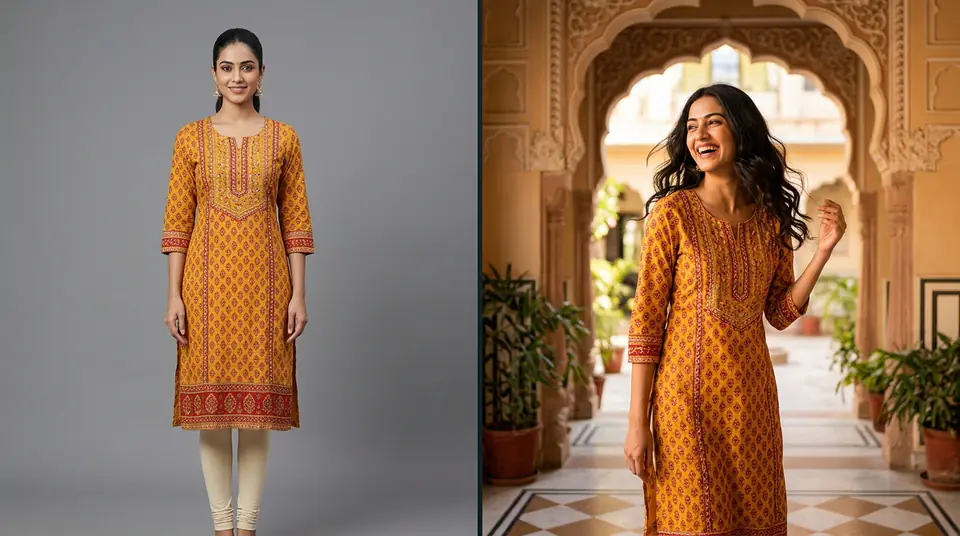
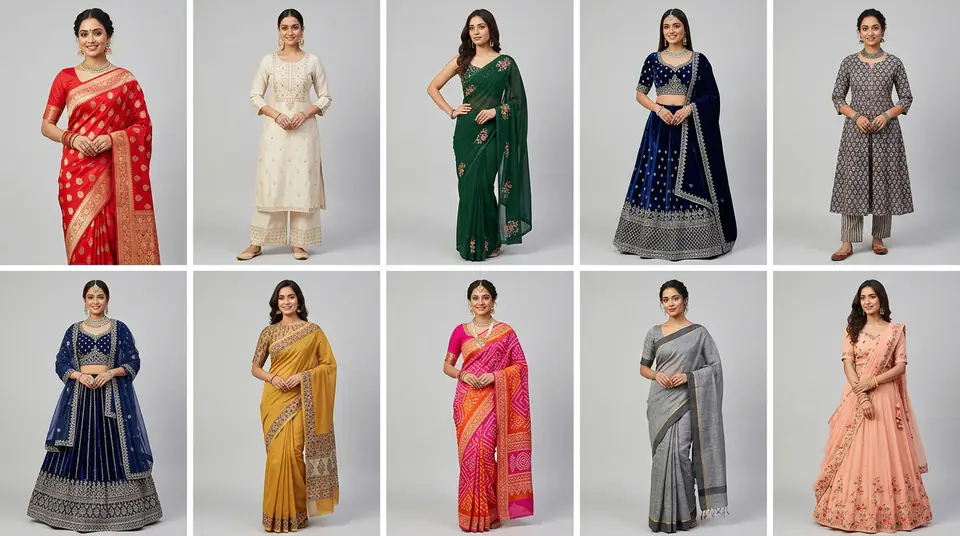
Typically, they ask for pure white or light grey backgrounds for cut-out images. For lifestyle shots, there’s more leeway, but even then, the online store aesthetics should be consistent across a collection or category. If your fashion brand sells sarees and lehengas, the photography style and background environments for those categories should have a signature look. It's not about being boring; it's about being instantly recognizable and reliable. If you're constantly changing things, you're just making more work for the marketplace, and they'll eventually penalize you with lower visibility or outright rejections.
Generate your own AI fashion photoshoot with Drapify — 50 free credits, no card required.
Beyond Plain White: Defining Your Catalogue Consistency
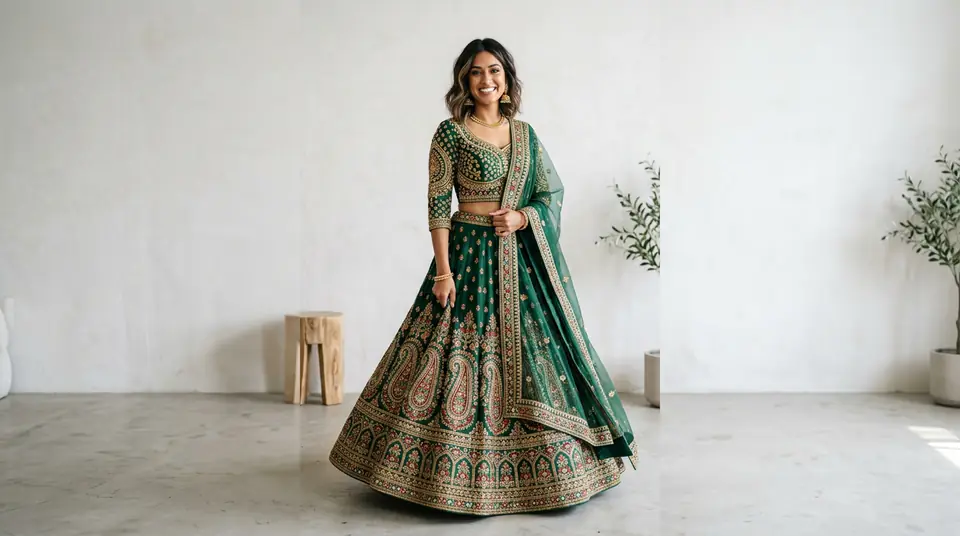
Now, catalogue consistency doesn’t always mean every single product needs a pure white background. That's often a baseline for product-only shots. For a premium saree brand, perhaps your signature is a warm, minimalist studio setting with subtle, earthy tones. For a streetwear brand, maybe it's urban backdrops with consistent lighting and model posing. The key is to define your style and then stick to it.
The challenge for many small and medium-sized sellers, especially those in India, is the cost and logistics. A studio photoshoot for a new collection can easily run you ₹50,000 to ₹1 Lakh, and reshoots for colour variants or new styles add up fast. That’s where tools like DrapifyApp come in. You upload a single garment photo, and in about three minutes, it generates high-quality, professional AI fashion photoshoots. You can get consistent backgrounds, models (even identity-locked ones for continuity!), and poses for ~₹13-15 per photo. No studio bookings, no reshoots for every colour variant, no weather delays. Just pure, consistent output that elevates your entire catalogue.
Where to Start: The 80/20 Rule for Your Ecommerce Listing Photos
Don't try to fix everything at once. That's a recipe for burnout. My advice? Apply the 80/20 rule. Identify your 20% best-selling products — the ones that bring in 80% of your revenue. Start with them. Reshoot those items first with a consistent product photo background and professional quality. Get those ecommerce listing photos polished.
If you're still doing traditional photoshoots, this means clear briefings to your photographer. If you're going the AI route (which, frankly, I strongly recommend for this specific problem), it's even simpler. With DrapifyApp, you can choose a specific model and a background environment, and consistently apply it across your entire best-seller range. You can even generate colour variants without needing to re-photograph a new garment. Imagine, taking one photo of a blue kurti, then instantly generating that same kurti in red, green, and yellow, all on the same model, in the same pose, with the same background. It’s not just efficient; it’s a game-changer for maintaining catalogue consistency at scale.
Once your top performers look coherent, move to your next tier of products. The goal isn't perfection from day one, but noticeable, steady improvement that tells your buyers: 'We're a legitimate, quality brand.'
The Unseen ROI of Visual Cohesion
So, what's the payoff for all this effort in professional product photography and catalogue consistency? It's not just about looking good. It’s about money, plain and simple. First, higher conversion rates fashion. Buyers trust what looks professional and consistent. That trust translates directly into sales. I've seen brands boost their conversion rates by 15-20% just by cleaning up their visuals. Secondly, reduced returns. When your photos accurately (and consistently) represent your product, buyers have fewer surprises. Less 'the fabric looked different' or 'the fit wasn't what I expected from the photo.' This saves you significant reverse logistics costs and customer service headaches.
Finally, stronger brand visual identity. Your customers start to recognize your aesthetic. They associate consistency with quality. This builds customer trust online and fosters loyalty. When a new collection drops, they know what to expect from your visuals, and they come back. It's not rocket science, it’s just solid business practice applied to your most visible asset: your catalogue. Stop making your buyers work to understand who you are. Make it easy for them to fall in love with your brand.