The Weight of Unwanted Silk
Meera had poured her heart and savings into "Silk Bloom," her online boutique specializing in handloom silk sarees from Kanchipuram and Arani. For years, she’d prided herself on the tactile beauty of her inventory, the way raw silk felt cool and luxurious, the subtle shimmer of zari work under the right light. But online, that magic was lost. Her average return rate hovered between a crippling 30% and 35%, month after month. It wasn't just a number; it was a constant drain, eating into profits, creating inventory chaos, and worse, eroding her spirit.
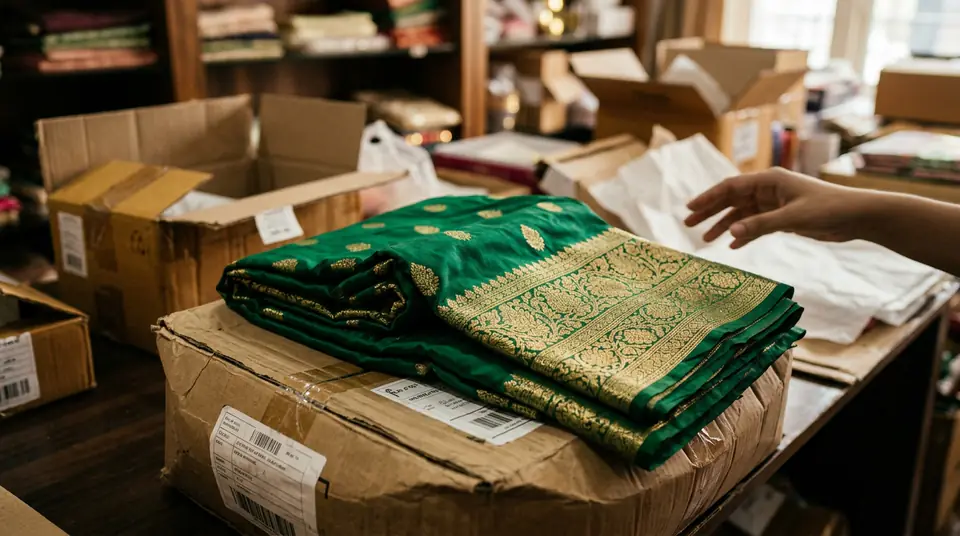
Every returned parcel, often crumpled and smelling faintly of someone else's home, felt like a personal failure. Customers would cite reasons like "color not as expected," "material different than shown," or "doesn't look like the picture." She was losing ₹3-4 lakh every month in logistics, re-packaging, and lost opportunities, all on sarees that had travelled cross-country just to come home. It was soul-crushing.
The Breaking Point: Diwali Disaster
Diwali season, usually a boom for ethnic wear, brought Meera to her knees. She’d invested heavily in new stock, spent extra on premium ad placements on Myntra, and even ran some influencer campaigns. Sales surged, great numbers, beautiful. But then came the tidal wave of returns. Post-Diwali, her return rate spiked to nearly 40%. The warehouse, usually buzzing with outgoing orders, was choked with incoming parcels marked 'RTO' (Return to Origin) and 'RCS' (Return by Customer). Her small team was overwhelmed, exhausted.
She remembers staring at a spreadsheet late one night, the red figures mocking her. "This isn't sustainable," she whispered to herself. "I'm working harder than ever just to break even, sometimes less. Why?" The answer felt just out of reach, like a silk thread slipping through her fingers.
Throwing Good Money After Bad
Before Diwali, Meera had tried everything she thought would help. She hired a top-tier fashion photographer, shelling out ₹75,000 for a single day's shoot for a new collection. She insisted on more close-up shots, different angles, even videos of models draping the sarees. She rewrote product descriptions, adding more detail about fabric weave and color nuances.
It didn't work. Not really. The photos looked professional, yes, glossy and vibrant. But the return rate barely budged, maybe a percentage point or two, if she was being generous. It was like pouring water into a bucket with a hole in the bottom. She just kept spending, the returns kept coming, and her frustration grew into a constant hum of anxiety.
“We were spending so much on looking good, on creating these aspirational images. But what good is aspiration if the reality is a letdown? Customers weren't returning because the sarees were poor quality. They were returning because they thought they were getting something else. It was a communication breakdown, plain and simple, and I was paying for every faulty signal.”
Generate your own AI fashion photoshoot with Drapify — 50 free credits, no card required.
The Uncomfortable Truth: It Was The Photos
It wasn't a lack of professionalism that was hurting Meera. It was a lack of accuracy. Her beautiful, expensive photos, shot under perfect studio lighting, often subtly shifted the true color of a rich maroon to a deep red, or made a soft cream look stark white. The texture of a raw silk, so obvious in person, could look smooth as satin in a highly processed image. These nuances, seemingly minor, became monumental once the customer received the actual product.
Her breaking point came when a customer left a review stating, "The saree is beautiful, but it's not the indigo I saw online; it's more like a deep navy." Meera realized then that her photos weren't just about selling a dream; they had to sell the truth. This shift in perspective was everything.
She started looking for solutions that prioritized accuracy and consistency, not just artistic flair. She needed a way to capture hundreds of sarees quickly, with reliable color rendition, without breaking the bank or losing her weekends to shoots. That's when she stumbled upon DrapifyApp. Skeptical at first – AI for fashion photography? – she decided to give their 50 free credits a try.
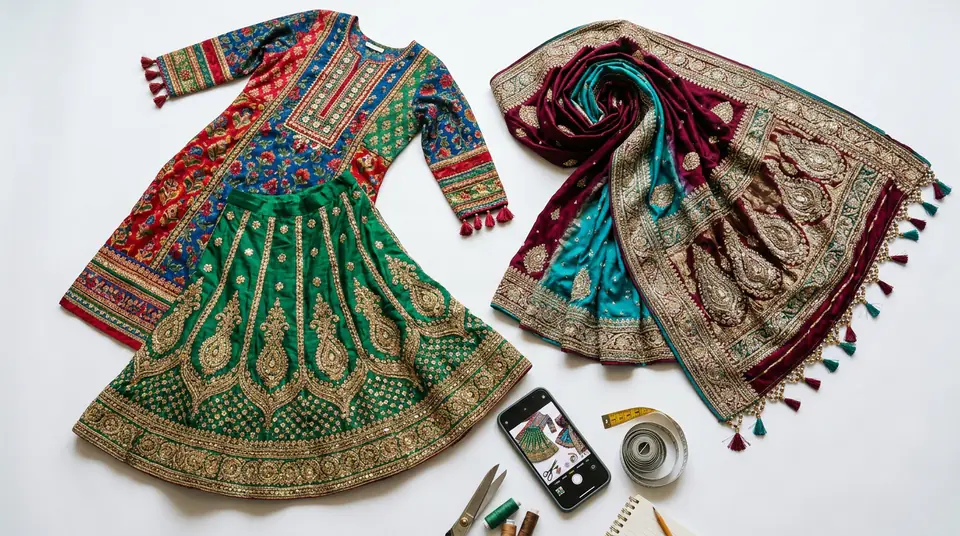
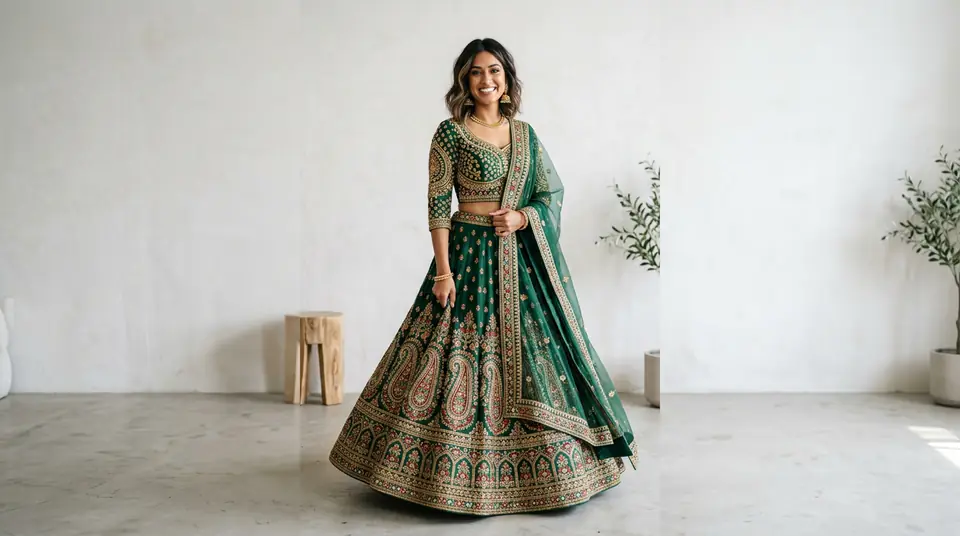
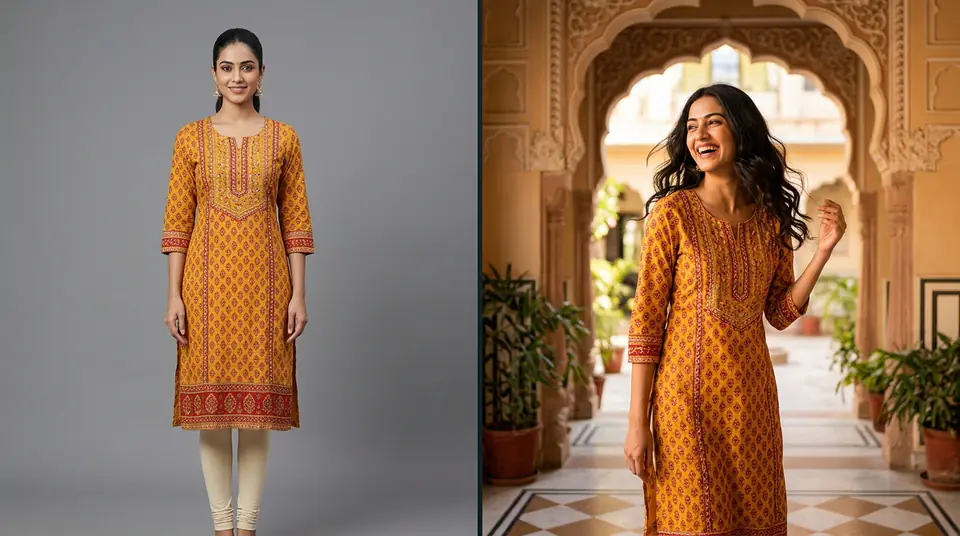
The idea was simple: take a flat lay photo of her saree, upload it, and DrapifyApp would generate a high-quality, modelled image in minutes. Crucially, the AI focused on maintaining the garment’s true texture and color across various poses and diverse models, without needing reshoots for every slight color variant. It was a revelation. It provided the consistency and speed she desperately needed, at a fraction of her previous photoshoot costs – around ₹15 per photo.
A New Lens, A New Business
Meera began systematically replacing her old product photos, starting with her highest-selling and most-returned SKUs. She focused on natural lighting for her flat-lay originals and relied on DrapifyApp's AI to render realistic, consistent images. The immediate impact wasn't a surge in sales, but a noticeable dip in return notifications.
Within two months, her return rate on Myntra plummeted from 32% to 14%. On Flipkart, it went from 35% to 16%. Customers were still buying, but now they were keeping what they bought. Her customer feedback shifted too, with many commending the accuracy of the product images. "What you see is what you get," one review proudly declared. That single sentence was worth more than a thousand rupees in ad spend.
32%
Average return rate (before)
14%
Average return rate (after 2 months)
₹75,000
Cost per professional photoshoot day
₹15
Cost per DrapifyApp AI photo
The reduction in returns meant a substantial increase in net sales. Her net revenue, after accounting for fewer returns and associated costs, jumped by over 25% in three months. The constant worry, the knot in her stomach, started to loosen. Her team could focus on packing new orders, not processing old returns. She even started exploring new markets and product lines, something that felt impossible just a few months prior.
What Meera Would Tell You
When asked what she'd tell other boutique owners struggling with returns, Meera didn't hesitate. "Stop chasing 'perfect' photos and start chasing accurate photos. The glossy, over-edited images are lying to your customers, and you're paying the price. It's not about looking good; it's about being honest with your visuals. That's what builds trust and keeps sales in your pocket, not back on your shelf."
She learned the hard way that a high conversion rate is useless if it's coupled with a sky-high return rate. The real win isn't just getting someone to click 'buy'; it's getting them to keep what they bought. And for an online fashion business, that journey starts and ends with product photography that tells the unvarnished truth.